
The Hidden Danger: Recognizing a Senior Dog Limping Hind Leg
My Heartbreaking Experience with an Arthritic Dog
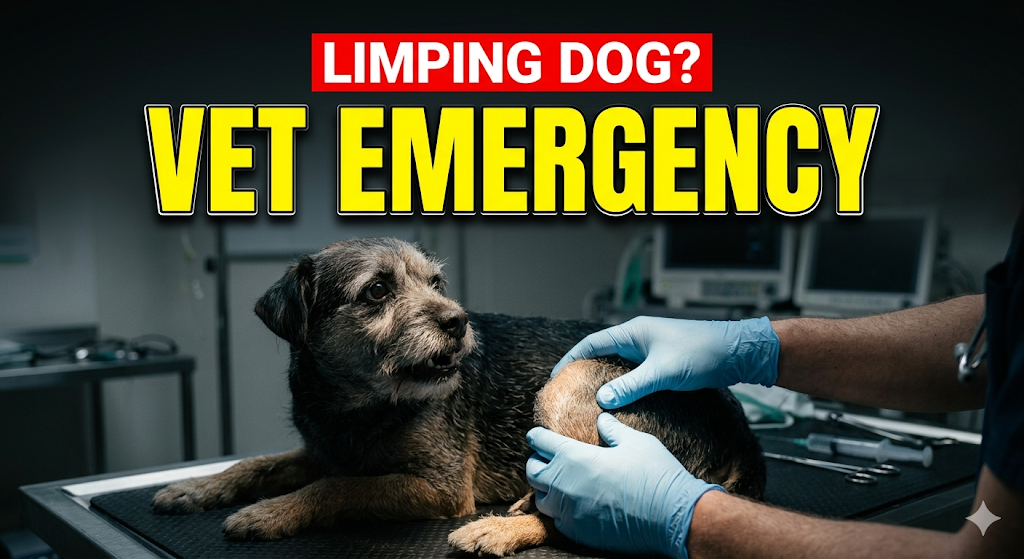
Spotting a senior dog limping hind leg demands our immediate and undivided attention. Recently, an elderly dog visited my grooming salon. He was limping severely on his hind legs. Furthermore, he exhibited extreme sensitivity to basic touch. Carefully, I lifted him onto the grooming table. Consequently, I noticed his fragile muscles trembling with hidden pain. My heart broke watching him struggle simply to stand. Therefore, I adjusted my entire grooming routine immediately. I prioritized his physical comfort above aesthetic perfection. This personal encounter deeply reinforced my professional vigilance. Ultimately, treating arthritic dogs requires immense patience and profound empathy.
Thank you for reading this post, don't forget to subscribe!Normal Aging Stiffness vs. A Severe Limp
Distinguishing normal aging stiffness from severe injury is crucial. Many owners assume slowing down is perfectly natural. However, a severe limp indicates significant structural joint damage. Normal morning stiffness usually improves slightly after gentle movement. Conversely, pathological limping persists heavily throughout the entire day. Furthermore, degenerative osteoarthritis physically destroys the protective cartilage layers over time. Veterinary studies confirm that canine cartilage cannot regenerate once completely destroyed. Therefore, continuous bone-on-bone friction causes agonizing, relentless daily discomfort. Ultimately, pet parents must recognize these subtle yet critical differences instantly.
Why Ignoring Sudden Joint Pain is a Fatal Mistake
Ignoring these sudden cries for help is absolutely devastating. Dogs naturally hide their physical pain due to ancient survival instincts. Consequently, an obvious limp means the pain is utterly unbearable. Delaying professional intervention allows the joint inflammation to worsen rapidly. Furthermore, untreated joint pain severely diminishes their overall quality of life. Chronic stress from continuous pain actually suppresses the canine immune system. Therefore, seeking immediate veterinary joint pain relief becomes an absolute necessity. Ultimately, proactive medical care transforms their difficult golden years completely.
Decoding the Root Causes of a Senior Dog Limping Hind Leg
The Devastating Impact of Degenerative Osteoarthritis in Older Dogs
Understanding a senior dog limping hind leg requires examining degenerative osteoarthritis closely. Just like the dog on my table, aging canines experience severe joint degradation over time. Consequently, the protective cartilage surfaces thin out significantly. Furthermore, essential cartilage cells begin dying off rapidly. This process inevitably causes severe inflammation within the joint capsule. Therefore, bone-on-bone friction occurs without that crucial protective buffer. Ultimately, this devastating friction causes immense pain and stiff movement. Veterinary statistics confirm that osteoarthritis remains a progressive, irreversible disease completely. Thus, early detection dictates the remaining quality of life significantly.
Cruciate Ligament Tears and Structural Joint Failures
Arthritis does not develop solely from the natural aging process. Often, severe structural failures occur in much younger dogs. For instance, cruciate ligament tears remain a massive underlying factor. When these vital supportive ligaments rupture, joint stability collapses instantly. Consequently, this sudden instability accelerates cartilage destruction dramatically. During grooming sessions, I constantly observe how dogs bear their weight. Often, dogs favoring one leg hide chronic structural damage. Therefore, preventing extreme leaps and slippery falls is absolutely essential. Ultimately, protecting joint stability prevents early-onset osteoarthritis completely.
Patellar Luxation, Trauma, and Cartilage Defects in Aging Canines
Patellar luxation frequently plagues small breed dogs tremendously. This condition involves the kneecap slipping out of its normal groove. If left completely untreated, this abnormal friction destroys the joint structure rapidly. Furthermore, excessive weight places immense catastrophic stress on aging joints. Additionally, physical trauma or severe infections accelerate this devastating joint degeneration. As a professional groomer, I carefully examine joints for unnatural heat. Frequently, swollen or hot joints indicate severe internal inflammation immediately. Consequently, these physical symptoms serve as massive warning signs. Therefore, prompt veterinary intervention prevents further rapid cartilage deterioration.
Companion Symptoms Accompanying a Senior Dog Limping Hind Leg
Behavioral Changes: Stiff Back Legs and Uncharacteristic Aggression
Recognizing a senior dog limping hind leg often involves noticing severe behavioral shifts. Usually, dogs experiencing chronic pain become unusually irritable over time. Consequently, even the sweetest senior dog might snap unexpectedly. During my grooming sessions, I handle stiff back legs extremely gently. Furthermore, I constantly monitor their facial expressions for subtle stress signals. Sometimes, an arthritic dog growls simply when someone approaches their hindquarters. Therefore, uncharacteristic aggression directly indicates intense underlying physical suffering. Ultimately, recognizing these behavioral red flags prevents accidents and ensures proper veterinary care.
Muscle Atrophy, Weight Loss, and Noticeable Joint Swelling
Physical deterioration often accompanies a persistent limp very closely. Consequently, observing muscle atrophy around the affected hind leg is crucial. When dogs avoid bearing weight, those specific muscles shrink rapidly. Furthermore, chronic pain frequently suppresses a senior dog’s overall appetite significantly. Therefore, noticeable weight loss often accompanies severe joint issues. As a professional groomer, I regularly feel for unusual heat. Frequently, swollen joints feel distinctly squishy or unusually warm. Ultimately, these physical symptoms require immediate professional veterinary assessment. Thus, observant owners must monitor their dog’s body condition meticulously.
Dog Crying When Picked Up: The Ultimate Sign of Joint Pain
Vocalizing pain represents a massive, undeniable medical red flag. A dog crying when picked up explicitly indicates severe joint distress. Consequently, this heartbreaking sound requires immediate emergency attention. Dogs instinctively hide pain to protect themselves from perceived predators. Therefore, crying out means the internal pain has become completely unendurable. During grooming, I always lift senior dogs using specialized, supportive techniques. Furthermore, I never lift an arthritic dog by their front legs alone. This improper lifting places catastrophic stress on their fragile spine. Ultimately, utilizing proper handling techniques prevents further accidental injury completely.
Comparing Normal Aging vs. Severe Joint Disease
To clarify these vital medical distinctions, consider this quick reference guide. Consequently, you can evaluate your companion’s physical condition much more objectively.
| Symptom Category | Normal Aging Sign | Severe Joint Disease Warning Sign |
| Mobility | Mild stiffness that improves slightly after a short walk | Senior dog limping hind leg persistently throughout the entire day |
| Behavior | Sleeping more frequently but remaining generally affectionate | Sudden, uncharacteristic aggression when their hind legs are touched |
| Physical Build | Gradual, overall loss of body muscle mass over years | Rapid, noticeable muscle atrophy specifically in one affected hind leg |
| Vocalization | Occasional groaning when settling down slowly to sleep | Dog crying when picked up or sudden yelping during movement |
Crucial Diagnostics for a Senior Dog Limping Hind Leg
The Importance of Immediate Physical and Orthopedic Vet Exams
Evaluating a senior dog limping hind leg requires thorough professional veterinary diagnostics immediately. During my grooming sessions here in Edmond, I constantly perform basic physical assessments. Furthermore, carefully checking joint mobility provides crucial initial health insights. However, my gentle touch cannot replace an orthopedic veterinarian completely. Consequently, a comprehensive physical exam determines the exact pain localization accurately. Veterinarians expertly manipulate the stiff back legs to evaluate total range of motion. Therefore, immediate professional assessment prevents minor injuries from becoming catastrophic failures. Ultimately, establishing a clear baseline ensures the correct treatment pathway moving forward.
Utilizing Radiographs and Ultrasounds to Expose Hidden Inflammation
Visualizing internal joint structures remains absolutely essential for accurate medical diagnosis. Therefore, veterinarians rely heavily on detailed radiographs, commonly known as X-rays. X-rays reveal obvious bone spurs or severe cartilage deterioration quite clearly. However, X-rays cannot always capture soft tissue damage like ligament tears effectively. Consequently, advanced ultrasound imaging becomes a vital supplementary diagnostic tool here. Ultrasounds visualize hidden inflammation and delicate ligament structures with incredible precision. Furthermore, seeing the exact joint condition helps owners understand the hidden danger entirely. Ultimately, combining these advanced imaging techniques provides a comprehensive, undeniable medical picture.
Blood and Urine Tests to Rule Out Systemic Immune or Tumor Issues
Diagnostic imaging alone does not always reveal the entire health story. Sometimes, a persistent limp indicates systemic issues rather than localized physical trauma. Therefore, comprehensive blood and urine tests become absolutely mandatory diagnostic steps. Blood panels frequently expose hidden tick-borne diseases or severe immune system abnormalities. Furthermore, these tests evaluate kidney and liver function before prescribing powerful medications. Consequently, ensuring internal organ health is vital for safe long-term pain management. Occasionally, unusual blood markers even hint at hidden bone tumors early. Ultimately, ruling out systemic diseases guarantees the chosen treatment targets the correct root cause.
Proven Treatments to Relieve a Senior Dog Limping Hind Leg
NSAIDs and Safe Steroid Protocols for Canine Joint Pain Relief
Treating a senior dog limping hind leg requires exploring proven medical interventions immediately. Consequently, veterinarians frequently prescribe Non-Steroidal Anti-Inflammatory Drugs (NSAIDs) first. These specialized medications reduce severe joint inflammation incredibly effectively. Furthermore, they provide rapid, much-needed relief from debilitating chronic pain. During my grooming sessions, I notice medicated dogs handle physical manipulation much better. However, long-term NSAID usage requires careful liver and kidney monitoring constantly. Sometimes, veterinarians utilize safe steroid protocols for extremely severe osteoarthritis cases. Therefore, strictly following your veterinarian’s exact dosage instructions is completely non-negotiable. Ultimately, proper pharmacological management restores their daily mobility and overall happiness significantly.
The Best Joint Supplements: Glucosamine, Chondroitin, and Omega-3s
Prescription medications alone cannot rebuild damaged internal joint structures entirely. Therefore, integrating high-quality joint supplements becomes an absolute daily necessity. Glucosamine and chondroitin serve as the fundamental building blocks for healthy canine cartilage. Furthermore, these specific supplements stimulate the natural production of protective joint fluid. Additionally, Omega-3 fatty acids offer incredibly powerful natural anti-inflammatory properties overall. As a dedicated groomer, I consistently recommend premium supplements to my senior clients. Consequently, consistent supplementation slows down the aggressive progression of osteoarthritis dramatically. Thus, starting these protective nutritional supplements early provides the best long-term defense. Ultimately, proactive nutritional support keeps their aging joints properly lubricated and highly functional.
Laser Therapy, Acupuncture, and Indoor Aquatic Rehabilitation Programs
Modern veterinary medicine offers incredible alternative rehabilitation therapies today. For instance, cold laser therapy reduces deep cellular inflammation without any invasive surgery. Furthermore, veterinary acupuncture stimulates natural pain-relieving endorphins throughout the canine body. These holistic treatments provide immense relief for aging dogs unable to tolerate heavy medications. Additionally, indoor aquatic rehabilitation programs offer spectacular low-impact muscle-building opportunities. Swimming in heated pools allows dogs to exercise without stressing their fragile joints. Therefore, exploring these advanced physical therapies extends their comfortable mobility remarkably. Ultimately, a comprehensive, multi-modal treatment approach yields the absolute most successful pain management results.
Preventative Care and Grooming Tips for Arthritic Dogs
Weight Management to Reduce Daily Stress on Stiff Back Legs
Managing a senior dog limping hind leg requires proactive preventative care daily. Consequently, strict weight management becomes your absolute first line of defense. Overweight dogs place catastrophic stress on their already fragile joints. Furthermore, extra adipose tissue releases inflammatory hormones throughout the canine body. Therefore, maintaining a remarkably lean body condition is completely non-negotiable. During grooming, I always check if I can easily feel their ribs. If a dog feels overly heavy, I immediately inform the dedicated owners. Ultimately, shedding just a few pounds relieves immense pressure on stiff back legs. Thus, proper diet control remains the most effective natural joint pain relief.
Creating a Slip-Free Environment with Protective Mats and Rugs
Creating a highly supportive home environment is incredibly important for aging dogs. Slippery hardwood floors pose a massive physical danger to arthritic canines. Consequently, a sudden slip can completely tear a weakened cruciate ligament. Therefore, laying down thick, non-slip protective rugs prevents these devastating accidents completely. In my Edmond grooming salon, I utilize specialized traction mats continuously. Furthermore, I ensure the grooming table surface remains completely slip-free always. Additionally, providing orthopedic memory foam beds supports their aching joints perfectly during rest. Ultimately, these simple environmental modifications enhance their daily confidence and overall safety remarkably.
Gentle Grooming Strategies for Managing Osteoarthritis in Older Dogs
Implementing gentle grooming strategies helps manage osteoarthritis in older dogs effectively. Arthritic dogs simply cannot stand for extended periods during grooming sessions. Consequently, I always provide frequent, comfortable resting breaks for my senior clients. Furthermore, utilizing specialized supportive slings relieves heavy pressure from their weak hindquarters. Therefore, the grooming experience becomes a soothing spa day rather than a painful ordeal. Additionally, using premium, hypoallergenic products prevents any unnecessary skin irritation entirely. Ultimately, compassionate handling techniques build immense trust with these sensitive, hurting animals. Thus, we must adapt our professional methods to accommodate their changing physical realities completely.
Snippet-Targeted FAQ
Q: What should I do immediately for a senior dog limping hind leg? A: First, restrict their physical activity completely to prevent further joint damage. Furthermore, schedule an immediate veterinary appointment for proper orthopedic evaluation and safe pain medication.
Q: Can joint supplements cure osteoarthritis in older dogs completely? A: Unfortunately, osteoarthritis remains an irreversible, progressive degenerative joint disease. However, high-quality supplements significantly slow the progression and improve daily mobility remarkably.
Q: Why do arthritic dogs suddenly become aggressive when touched? A: Chronic joint pain makes dogs incredibly sensitive and highly vulnerable. Consequently, sudden aggression serves as an instinctive defense mechanism to prevent further physical pain.
https://www.poocheshairstudio.com
Find more expert grooming tips at our [Poochestips Home]
Pooches Hair Studio Official Website: [poocheshairstudio]
"Healthy paws, happy dogs. Visit [Poochestips Home] for more comprehensive guides!"
Discover our top grooming product recommendations at [Pooches Choice]!
(As an Amazon Associate, I earn from qualifying purchases. This helps support our blog in providing valuable information for dog owners at no extra cost to you.)