
Causes of high liver enzymes in dogs
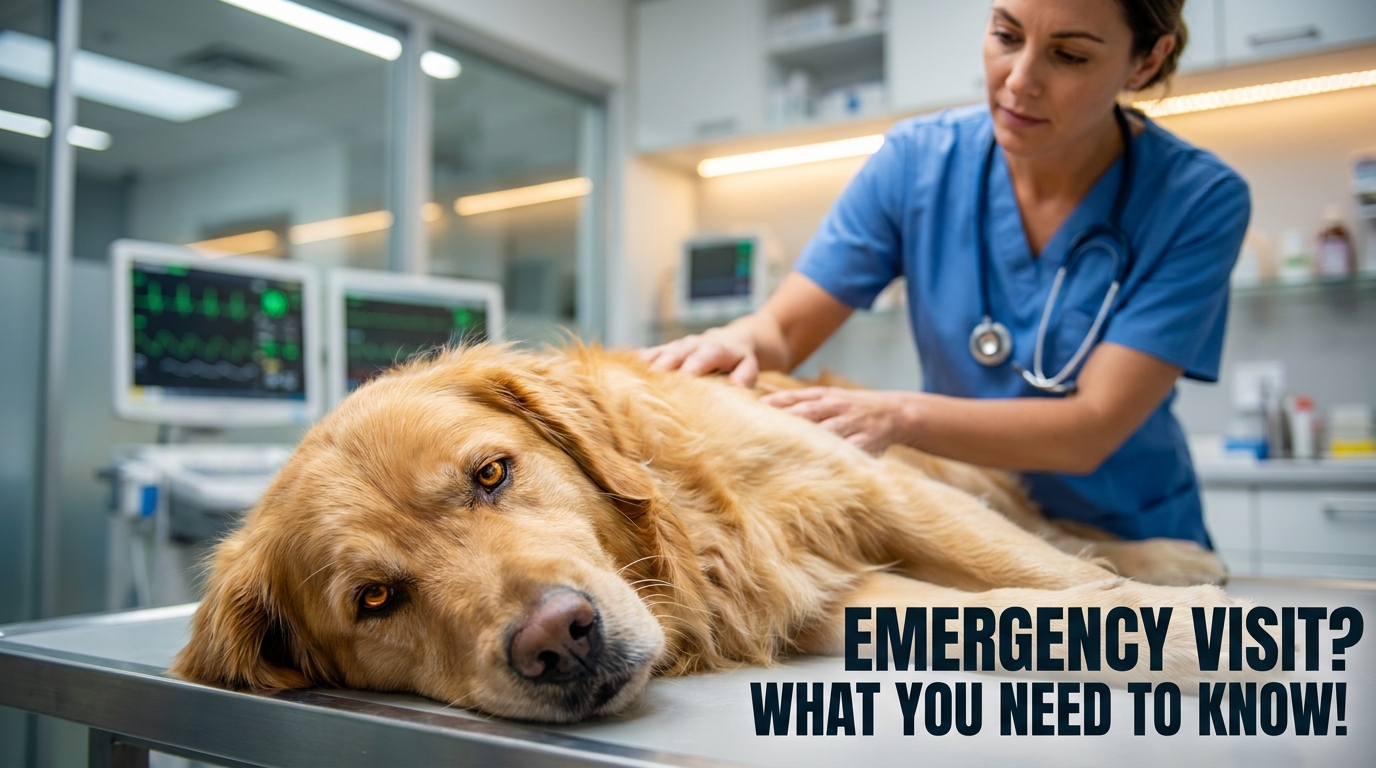
Thank you for reading this post, don't forget to subscribe!Elevated dog liver enzymes often signal severe hidden health issues in your beloved companion. Naturally, many pet owners feel completely terrified when they hear this medical diagnosis. However, understanding this complex condition is the very first step toward a successful recovery. At Pooches Hair Studio in Edmond, Oklahoma, we observe canine health closely every single day. Furthermore, our standard grooming process always includes detailed physical contact. We proudly provide nail clipping, ear cleaning, and anal gland expression for every client. Additionally, we include a soothing blueberry facial and hypoallergenic shampoo at no extra charge. Consequently, we spend significant time gently handling each pet. Recently, I noticed a regular dog acting unusually lethargic on my grooming table. Therefore, I immediately stopped the session and strongly recommended an urgent veterinary visit. Ultimately, the veterinarian discovered elevated dog liver enzymes through a prompt blood test. Early detection truly saved that precious dog’s life.
Understanding Elevated Dog Liver Enzymes
When veterinarians discuss this alarming condition, they are specifically evaluating biochemical blood markers. Therefore, understanding the basic mechanics behind these test results is incredibly empowering for pet owners. Consequently, you can make highly informed medical decisions for your furry friend.
What Do Elevated Dog Liver Enzymes Actually Mean?
Elevated dog liver enzymes strongly indicate that liver cells are experiencing active stress or damage. Specifically, substances like ALT and AST leak directly into the bloodstream during cellular injury. Consequently, a standard blood panel reveals these abnormal spikes very clearly to your vet. Furthermore, these elevated markers are not a specific disease by themselves. Instead, they represent a critical warning sign of underlying canine liver dysfunction. Therefore, you must investigate the root cause immediately with a professional diagnosis.
The Critical Role of the Liver When Facing Elevated Dog Liver Enzymes
The liver performs hundreds of essential physiological functions to keep your dog healthy. For instance, it constantly filters dangerous toxins and metabolic waste from the bloodstream. Additionally, this vital organ aids digestion and stores crucial vitamins for future bodily use. However, when elevated dog liver enzymes occur, these fundamental processes become severely compromised. Furthermore, according to the American Kennel Club, untreated liver issues can escalate rapidly into organ failure. Ultimately, protecting and supporting this organ is absolutely paramount for your pet’s overall longevity.
Major Causes of Elevated Dog Liver Enzymes
Identifying the root problem is absolutely crucial for your pet’s recovery. Therefore, recognizing the major causes of elevated dog liver enzymes empowers owners to take swift action. Consequently, environmental factors and biological traits often combine to trigger these severe hepatic issues. Furthermore, understanding these specific triggers allows you to implement preventative lifestyle changes effectively.
Poor Diet and Its Impact on Dog Liver Enzymes
Nutrition plays a monumental role in overall canine health. Unfortunately, poor diet choices directly contribute to elevated dog liver enzymes over time. For instance, excessive carbohydrate intake or insufficient protein strains the liver immensely. Additionally, feeding dogs human food introduces dangerous toxins into their delicate digestive systems. Consequently, toxic accumulation overworks the liver and causes enzyme leakage into the bloodstream. Ultimately, providing a balanced, vet-approved diet is your first line of defense against liver disease symptoms.
Medication Side Effects Causing High Dog Liver Enzymes
Sometimes, the treatments designed to heal our pets inadvertently cause harm. Specifically, certain medication side effects are notorious for triggering high dog liver enzymes. For example, long-term use of specific painkillers or anti-inflammatory drugs damages liver cells significantly. Therefore, you must monitor your pet closely when starting any new medical prescription. Furthermore, always consult your veterinarian before administering any over-the-counter supplements. Consequently, safe medication management prevents irreversible hepatic damage and maintains optimal organ function.
Genetic Predispositions to Elevated Dog Liver Enzymes
Genetics heavily influence a dog’s susceptibility to internal diseases. Sadly, some breeds carry strong genetic predispositions to elevated dog liver enzymes. For instance, Labrador Retrievers and Yorkshire Terriers face significantly higher risks of developing chronic liver conditions. Therefore, owners of these specific breeds must remain exceptionally vigilant. Regular blood screenings and proactive veterinary consultations are absolutely mandatory. Ultimately, acknowledging these hereditary risks ensures early intervention and prolongs your loyal companion’s life.
Recognizing Symptoms of Elevated Dog Liver Enzymes
Identifying physical changes quickly is absolutely vital for your pet’s survival. Therefore, recognizing symptoms of elevated dog liver enzymes can prevent fatal outcomes. Consequently, pet owners must remain highly observant every single day. Furthermore, early detection significantly improves the overall prognosis for canine liver disease. Ultimately, understanding these clinical signs allows you to act before irreversible damage occurs.
Early Warning Signs of Elevated Dog Liver Enzymes
Dogs naturally hide their physical discomfort from their beloved owners. However, early warning signs of elevated dog liver enzymes always manifest eventually. For example, you might notice sudden weight loss or a drastic decrease in appetite. Additionally, increased thirst and frequent urination are very common red flags. Consequently, if your dog experiences chronic vomiting or diarrhea, seek veterinary help immediately. Ultimately, paying close attention to these subtle digestive changes guarantees faster medical intervention.
When Elevated Dog Liver Enzymes Cause Severe Lethargy
Lethargy is a highly prominent indicator of severe internal illness. Specifically, when elevated dog liver enzymes cause lethargy, your dog will appear unusually exhausted. For instance, they might refuse their favorite daily walks or completely ignore their toys. Furthermore, a normally energetic companion may suddenly sleep all day long. Therefore, you must never ignore this drastic shift in their daily energy levels. Consequently, scheduling a prompt veterinary examination is always your safest course of action.
Managing and Lowering Elevated Dog Liver Enzymes
Once a veterinarian confirms the diagnosis, immediate intervention is absolutely critical. Therefore, managing elevated dog liver enzymes requires a comprehensive, multi-step treatment plan. Consequently, owners must strictly follow professional medical advice without deviation. Furthermore, combining clinical therapies with supportive home care always yields the best results. Ultimately, reducing these dangerous enzyme levels allows the canine liver to regenerate completely.
Dietary Changes for Elevated Dog Liver Enzymes
Nutrition is undoubtedly the cornerstone of hepatic recovery. Specifically, dietary changes for elevated dog liver enzymes drastically reduce the organ’s daily workload. For example, veterinarians frequently prescribe highly digestible, low-copper therapeutic diets. Additionally, feeding multiple small meals successfully prevents sudden metabolic spikes. Consequently, adding vet-approved liver supplements, like high-quality milk thistle, often provides incredible benefits. Therefore, you must strictly eliminate all toxic table scraps from their diet immediately.
Veterinary Treatments for Elevated Dog Liver Enzymes
Severe cases consistently require aggressive medical intervention. Consequently, veterinary treatments for elevated dog liver enzymes address the underlying disease directly. For instance, doctors might prescribe specific antibiotics for dangerous bacterial liver infections. Furthermore, intravenous fluid therapy flushes accumulated toxins from the bloodstream very rapidly. Ultimately, routine blood tests carefully monitor your dog’s ongoing physiological progress. Therefore, maintaining consistent veterinary checkups ensures the chosen treatment remains highly effective.
Common Management Strategies for Elevated Dog Liver Enzymes
| Management Strategy | Primary Goal | Expected Timeline |
| Prescription Diet | Reduces metabolic strain on the liver. | 2 to 4 weeks |
| Milk Thistle (Silymarin) | Protects liver cells and aids regeneration. | Ongoing support |
| IV Fluid Therapy | Flushes harmful toxins from the blood. | 1 to 3 days |
| Antibiotic Therapy | Eliminates secondary hepatic infections. | 10 to 14 days |
Proactive Care for Elevated Dog Liver Enzymes at the Salon
Managing this complex condition requires a highly robust support system. Therefore, proactive care for elevated dog liver enzymes extends far beyond the veterinary clinic. Consequently, professional groomers play a remarkably crucial role in maintaining your pet’s ongoing health. At Pooches Hair Studio in Edmond, we remain exceptionally vigilant during every single appointment. Furthermore, our detailed, hands-on grooming procedures naturally expose physical anomalies very quickly. Ultimately, building a reliable pet care network ensures your beloved dog thrives despite their medical diagnosis.
Monitoring Lethargy During Dog Grooming Appointments
Lethargy is a primary, undeniable indicator of severe internal distress. Specifically, monitoring lethargy during dog grooming appointments helps catch elevated dog liver enzymes very early. For instance, if a normally energetic dog suddenly refuses to stand in the bathing tub, we notice immediately. Additionally, sudden behavioral shifts or unusual aggression strongly indicate underlying physiological pain. Therefore, we always communicate these vital, real-time observations directly to the pet owners. Consequently, this immediate feedback loop facilitates much faster and highly effective veterinary interventions.
Partnering with Vets to Track Dog Liver Disease Symptoms
Collaboration between local pet professionals is absolutely essential for long-term health. Therefore, partnering with vets to track dog liver disease symptoms provides truly comprehensive care. For example, we frequently share detailed grooming behavioral reports with trusted Edmond veterinarians. Furthermore, this cooperative approach helps owners monitor the effectiveness of ongoing medical treatments accurately. Ultimately, successfully managing elevated dog liver enzymes requires a deeply dedicated team effort. Consequently, your loyal pet receives the highest standard of continuous medical and physical support.
Frequently Asked Questions About Elevated Dog Liver Enzymes
What are the most common causes of elevated dog liver enzymes?
Poor diet, toxic ingestions, genetic predispositions, and adverse medication side effects are the most common causes of elevated dog liver enzymes. Therefore, securing a professional veterinary diagnosis is absolutely essential.
Can elevated dog liver enzymes be cured completely?
Yes, if caught very early, elevated dog liver enzymes can often be reversed completely. Consequently, combining strict dietary changes, natural supplements like milk thistle, and targeted veterinary treatments restores optimal liver function.
How does grooming help detect elevated dog liver enzymes?
Professional groomers closely observe your dog’s physical energy and skin condition every session. Furthermore, sudden lethargy or unexpected jaundice noticed during a routine groom can indicate elevated dog liver enzymes immediately.
https://www.poocheshairstudio.com
Find more expert grooming tips at our [Poochestips Home]
Pooches Hair Studio Official Website: [poocheshairstudio]
"Healthy paws, happy dogs. Visit [Poochestips Home] for more comprehensive guides!"
Discover our top grooming product recommendations at [Pooches Choice]!
(As an Amazon Associate, I earn from qualifying purchases. This helps support our blog in providing valuable information for dog owners at no extra cost to you.)