
Dog difficulty urinating causes
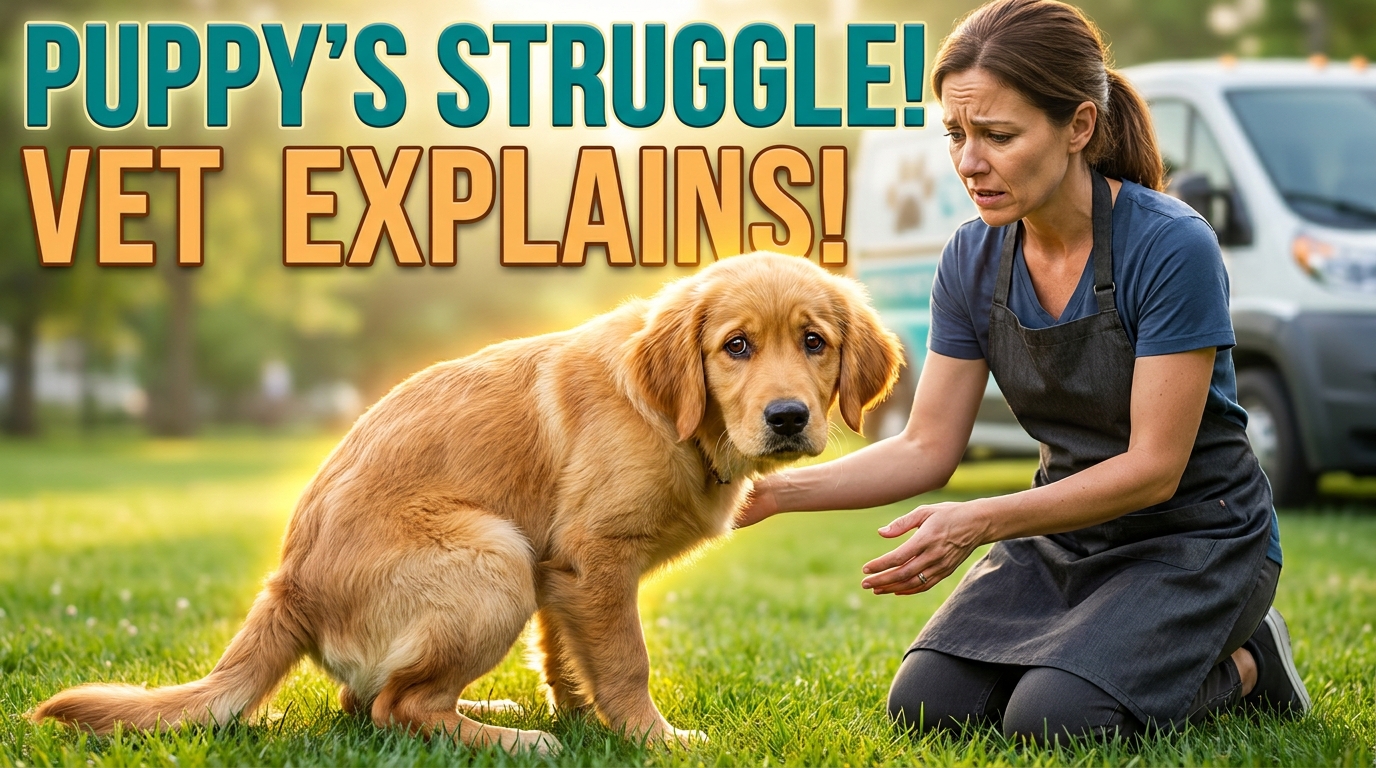
Thank you for reading this post, don't forget to subscribe!Dog difficulty urinating causes immense discomfort and anxiety for both pets and their owners. As a pet professional, I see many health issues surface unexpectedly. Just the other day at my grooming shop in Edmond, Oklahoma, I was tending to a sweet senior dog. During a short break, I noticed him repeatedly assuming a squatting position. Surprisingly, no urine came out. He looked restless and deeply uncomfortable. Therefore, I immediately recognized this critical warning sign. Consequently, I advised his owner to seek prompt veterinary care. Ultimately, understanding these symptoms can save your pet from severe pain.
Understanding Dog Difficulty Urinating Causes in the Grooming Salon
First and foremost, identifying the root problem is essential for your pet’s health. Many owners accidentally miss the initial warning signs at home. However, in a structured salon environment, unusual behaviors become very obvious. Specifically, frequent urination attempts or passing only tiny drops are major red flags. Furthermore, identifying these issues early prevents further complications.
Recognizing Dog Difficulty Urinating Causes Early
To begin with, you must monitor your pet’s bathroom habits closely. For instance, pacing, whining, or excessive licking of the genital area indicates severe distress. Moreover, if you notice blood in the urine, it is considered a medical emergency. According to the American Kennel Club, ignoring urinary distress can lead to serious kidney issues. Thus, proactive observation is your absolute best defense against illness.
Why Groomers Often Spot Canine Dysuria Symptoms First
Interestingly, professional grooming sessions require dogs to stand or position themselves in specific ways. Consequently, physical discomfort quickly becomes apparent to a trained eye. Because we spend focused, one-on-one time with your dog, we easily notice unusual abdominal sensitivity. Moreover, our routine handling allows us to detect subtle health changes before they escalate. If you want to learn more about our careful handling techniques, check out our professional grooming services.
Top Bacterial and Infectious Dog Difficulty Urinating Causes
As an experienced groomer, I frequently encounter severe bacterial infections in pets. Consequently, these infections rank among the most common dog difficulty urinating causes. Often, pet owners mistake a simple infection for a stubborn behavioral issue. However, bacterial invasion into the lower urinary tract creates intense physical pain. Ultimately, our professional salon awareness helps catch these urgent issues early.
How UTIs Become Primary Dog Difficulty Urinating Causes
Urinary tract infections (UTIs) happen when bacteria travel up the urethra. Eventually, these harmful bacteria multiply rapidly within the warm bladder environment. According to the American Veterinary Medical Association, untreated bacterial UTIs severely damage long-term urinary health. Therefore, they consistently remain top dog difficulty urinating causes worldwide. Furthermore, female dogs face a significantly higher risk due to their shorter urethras. If your beloved pet shows distress, you can review our expert pet care tips for fundamental guidance.
Identifying Bladder Inflammation Among Dog Difficulty Urinating Causes
Inflammation of the bladder wall greatly restricts normal urine flow. Consequently, this painful internal swelling directly triggers severe canine dysuria. During my daily grooming sessions at Pooches Hair Studio, I carefully observe every dog’s posture. Sometimes, a dog will strain excessively while only producing a few tiny drops. Thus, understanding these specific dog difficulty urinating causes is absolutely critical for timely treatment.
| Condition Status | Typical Bathroom Behavior | Urine Appearance | Pain Level |
| Healthy Dog | Quick, effortless urination | Clear, pale yellow | None |
| Bacterial UTI | Frequent squatting, straining | Cloudy, dark, or bloody | High (Whining) |
| Severe Inflammation | Prolonged attempts, minimal output | Strong odor, highly discolored | Moderate to High |
Non-Infectious Dog Difficulty Urinating Causes: Stones & Blockages
Besides infections, physical blockages are severe dog difficulty urinating causes. For instance, mineral stones can completely stop normal urine flow. Therefore, these specific situations demand immediate and aggressive veterinary intervention. Below, I will share a practical scenario from our grooming salon. Ultimately, recognizing these non-infectious blockages saves lives.
Real-World Case Study: Spotting Hidden Dog Difficulty Urinating Causes Last month, a sweet Miniature Schnauzer visited Pooches Hair Studio in Edmond. During his bath, he repeatedly postured to urinate. However, he passed absolutely nothing. Furthermore, his lower abdomen felt unusually tense and firm. Consequently, I immediately halted the grooming session. I strongly urged his owner to visit an emergency clinic. Ultimately, the veterinarian discovered large bladder stones completely blocking his urethra. Thanks to our early observation, the dog had successful, life-saving surgery.
Bladder Stones as Severe Dog Difficulty Urinating Causes
Undoubtedly, bladder stones are extremely painful dog difficulty urinating causes. Typically, these hard stones form from concentrated mineral deposits inside the bladder. Over time, these jagged stones irritate the sensitive bladder lining. Consequently, this constant internal friction leads to severe canine dysuria. Sometimes, veterinarians prescribe special therapeutic diets to dissolve smaller stones. However, larger stones usually require prompt surgical removal. Therefore, regular monitoring is absolutely crucial for prevention.
Urethral Obstructions Behind Dog Difficulty Urinating Causes
Specifically, urethral obstructions are life-threatening dog difficulty urinating causes. Male dogs face a significantly higher risk for this specific condition. Anatomically, their urethras are much longer and distinctly narrower than females. Therefore, even tiny mineral fragments can easily become permanently lodged. When this happens, urine aggressively backs up into the fragile kidneys. As a result, deadly toxins quickly build up within the dog’s bloodstream. Always treat a sudden inability to urinate as a dire medical emergency.
Diagnosing Dog Difficulty Urinating Causes at the Vet Clinic
When you spot dog difficulty urinating causes, a vet visit is mandatory. Consequently, professional diagnostics pinpoint the exact underlying issue. In Edmond, I always remind pet parents not to guess the diagnosis. Ultimately, comprehensive clinical testing ensures the safest and fastest recovery.
Urinalysis for Discovering Dog Difficulty Urinating Causes
First, veterinarians usually perform a thorough urinalysis. Basically, this simple test reveals critical information about dog difficulty urinating causes. For example, it easily detects hidden blood, unusual proteins, or harmful bacteria. Therefore, bringing a fresh urine sample highly accelerates the diagnostic process.
Imaging Tests for Hidden Canine Dysuria Causes
Sometimes, a basic urine test cannot explain everything. In this case, imaging tests identify hidden canine dysuria causes effectively. Specifically, X-rays easily reveal solid mineral stones blocking the bladder. Furthermore, ultrasound technology helps veterinarians visualize soft tissue inflammation perfectly. Thus, these imaging tools are incredibly valuable for an accurate diagnosis.
Culture Tests for Specific Dog Difficulty Urinating Causes
If bacteria are present, further testing is highly recommended. Consequently, a bacterial culture test pinpoints specific dog difficulty urinating causes. By identifying the exact bacteria type, the vet chooses the perfect antibiotic. Ultimately, this targeted approach safely prevents dangerous antibiotic resistance in your dog.
Treating and Preventing Dog Difficulty Urinating Causes
Ultimately, resolving dog difficulty urinating causes requires swift and precise veterinary action. Because every specific condition varies, your trusted veterinarian will customize the recovery plan. Fortunately, you can successfully prevent many future dog difficulty urinating causes through proactive, daily home care.
Medical Treatments for Dog Difficulty Urinating Causes
First, targeted antibiotics successfully eliminate bacterial dog difficulty urinating causes. Often, veterinarians also prescribe anti-inflammatory medication to ease canine dysuria immediately. Furthermore, for severe physical blockages, emergency surgery remains the primary life-saving treatment. As a professional groomer, I always advise pet parents to follow their vet’s medication schedule perfectly.
Diet and Hydration to Prevent Canine Dysuria
Besides medicine, proper daily nutrition effectively prevents future dog difficulty urinating causes. For example, specific prescription diets from trusted brands successfully dissolve harmful mineral stones. You can explore various veterinary nutritional guidelines on the VCA Animal Hospitals website. Moreover, increasing fresh water intake significantly dilutes highly concentrated urine. Therefore, adding moisture-rich wet food easily boosts daily hydration. For more practical advice on keeping your pet healthy and looking great, visit our Pooches Tips channel.
Frequently Asked Questions About Dog Difficulty Urinating Causes
What are the most common dog difficulty urinating causes?
The most frequent dog difficulty urinating causes include bacterial urinary tract infections, painful bladder stones, and severe urethral blockages. Therefore, always consult a vet immediately when symptoms appear.
Can severe stress be one of the dog difficulty urinating causes?
Yes, intense anxiety or environmental stress sometimes contributes to behavioral urinary issues. However, physical and medical dog difficulty urinating causes are significantly more common and dangerous.
How quickly should I treat dog difficulty urinating causes?
You must always treat these alarming symptoms as an absolute medical emergency. Ultimately, delaying treatment for dog difficulty urinating causes can rapidly lead to fatal kidney damage.
Are male dogs more prone to dog difficulty urinating causes?
Yes, absolutely. Due to their anatomically narrow and long urethras, male dogs face significantly higher risks for physical blockages. Therefore, monitor them very closely for any dog difficulty urinating causes.
https://www.poocheshairstudio.com
Find more expert grooming tips at our [Poochestips Home]
Pooches Hair Studio Official Website: [poocheshairstudio]
"Healthy paws, happy dogs. Visit [Poochestips Home] for more comprehensive guides!"
Discover our top grooming product recommendations at [Pooches Choice]!
(As an Amazon Associate, I earn from qualifying purchases. This helps support our blog in providing valuable information for dog owners at no extra cost to you.)