
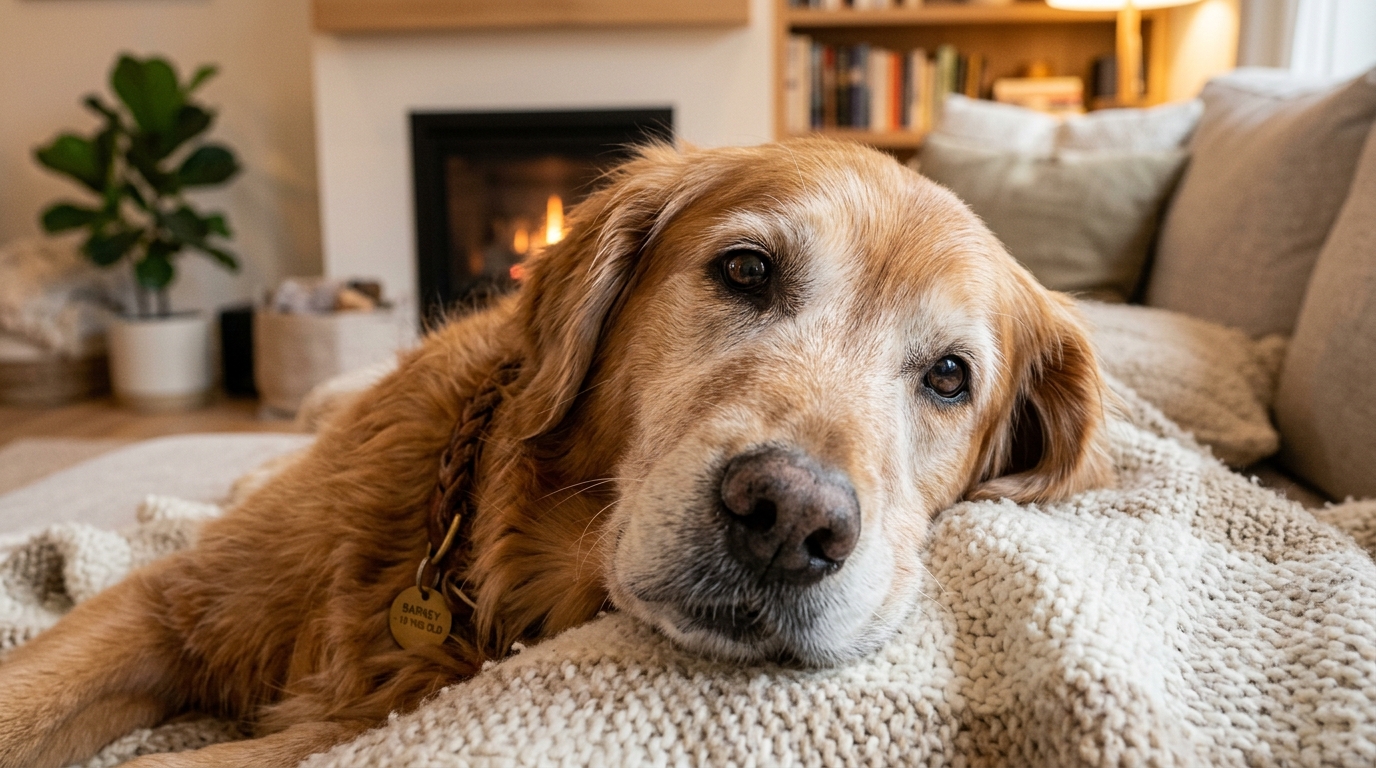
Understanding Dog Dementia Symptoms and Canine Cognitive Decline
Recognizing dog dementia symptoms early can profoundly alter the trajectory of a senior pet’s golden years. When older dogs begin to stare blankly at walls or forget familiar commands, many pet parents mistakenly attribute these shifts entirely to normal aging. However, veterinary neurology defines Canine Cognitive Dysfunction (CCD) as a progressive, neurodegenerative condition strikingly similar to human Alzheimer’s disease. In my years running a professional grooming studio, I have frequently observed how subtle cognitive slips manifest long before a formal veterinary diagnosis is made. According to recent veterinary studies published by the American Veterinary Medical Association (AVMA), over 50 percent of dogs aged 11 and older exhibit some form of cognitive decline, making awareness vital for every modern household.
Thank you for reading this post, don't forget to subscribe!What is Canine Cognitive Dysfunction?
Canine Cognitive Dysfunction involves the accumulation of beta-amyloid proteins in the brain, leading to microscopic brain damage, neuronal death, and shrinkage of cerebral tissue. This degenerative process disrupts neurotransmitter functions, drastically impacting memory, learning, spatial awareness, and comprehension. Furthermore, unlike simple physical exhaustion, neurological aging alters a dog’s fundamental perception of their environment, turning once-familiar spaces into confusing labyrinths. To explore more about senior pet care essentials, you can check out specialized resources at Pooches Choice.
Why Early Detection of Dog Dementia Symptoms Matters
Identifying dog dementia symptoms during their nascent stages allows veterinarians and pet parents to implement neuroprotective interventions immediately. Although CCD cannot be entirely reversed, early management strategies can significantly slow down cognitive deterioration, preserve the bond between human and animal, and dramatically improve overall quality of life. As noted in clinical guidelines by PetMD, proactive antioxidant therapy and behavioral modifications yield the highest success rates when initiated at the very first sign of disorientation.
Top 7 Common Dog Dementia Symptoms Every Pet Owner Must Know
Monitoring behavioral deviations requires keen observation, as dogs are notorious for masking discomfort or mental confusion. When looking out for dog dementia symptoms, owners should watch for persistent changes in routine, temperament, and spatial navigation.
Unfamiliar Aggression and Behavioral Shifts
One of the most heartbreaking dog dementia symptoms is unexpected behavioral volatility. A previously gentle senior dog might suddenly snap or growl when approached while resting, largely because their failing cognitive processing misinterprets a friendly touch as an unexpected threat.
Disorientation and Circling Behaviors
Spatial disorientation often manifests as getting trapped behind doors, staring blankly into corners, or engaging in repetitive “caking” or pacing rituals. Dogs experiencing severe cognitive decline may forget how to navigate out of a room they enter daily.
Altered Sleep Patterns and Nighttime Restlessness
A hallmark indicator among dog dementia symptoms is the reversal of circadian rhythms, commonly referred to as “sundowning.” Affected dogs frequently sleep deeply throughout the afternoon, only to pace, whine, or bark continuously throughout the night.
Real-World Case Study: Managing Senior Dog Dementia Symptoms at the Salon
In my professional practice at Pooches Hair Studio, we encounter elderly dogs facing cognitive challenges on a weekly basis. A notable case involved Barnaby, a 14-year-old Miniature Poodle who had been visiting us reliably for a decade. Recently, Barnaby began trembling uncontrollably on the grooming table, howling softly toward the ceiling, and showing complete disorientation upon stepping off the hydraulic floor. Recognizing these distinct dog dementia symptoms, we immediately modified our approach rather than pushing through a standard grooming routine.
Recognizing Subtle Changes During Professional Grooming Sessions
During grooming, dogs with cognitive decline often lose their sense of balance and coordination. Barnaby exhibited classical signs of sundowning agitation combined with spatial confusion. Instead of placing him in a standard drying kennel where sensory deprivation can trigger panic attacks, we opted for a hands-on, low-stress holding protocol.
Adapting Handling Techniques for Anxious Older Pets
By minimizing loud noises, avoiding sudden movements, and maintaining a calm, reassuring vocal tone, we managed to complete Barnaby’s grooming safely and humanely. For additional insights into how we handle senior pets professionally, visit our hub at Pooches Hair Studio. This practical adjustment highlights why professional groomers and veterinarians must work hand-in-hand to accommodate aging pets safely.
Professional Diagnostic Approaches for Suspected Dog Dementia Symptoms
Because multiple underlying medical conditions can mimic cognitive impairment, confirming dog dementia symptoms requires a systematic diagnostic exclusion process. Veterinarians rarely rely on a single behavioral questionnaire alone.
| Diagnostic Method | Primary Purpose | What It Rules Out / Identifies |
| Comprehensive Blood Panel | Evaluates organ function and systemic health | Detects hepatic shunt, kidney disease, or electrolyte imbalances |
| Thyroid Function Testing | Assesses metabolic regulation | Rules out hypothyroidism, which causes lethargy and confusion |
| Advanced Neurological Imaging | Scans structural brain health | Identifies intracranial tumors, micro-strokes, or severe atrophy |
| Urinalysis & Blood Pressure | Checks for chronic hidden ailments | Rules out systemic hypertension and urinary tract infections |
Ruling Out Underlying Physical Ailments
Before attributing behavioral changes to dog dementia symptoms, a veterinarian must rule out sensory losses such as age-related deafness or blindness, chronic joint pain, and endocrine disorders. Pain is a massive confounder; a dog whimpering at night may simply be suffering from severe osteoarthritis rather than cognitive dysfunction.
Veterinary Screening and Cognitive Testing Metrics
Veterinarians frequently utilize the DISHA schema—evaluating Disorientation, Interactions, Sleep-wake cycles, House-soiling, and Activity changes. Scoring high across these categories establishes a reliable clinical foundation for diagnosing canine cognitive decline.
Effective Daily Care Strategies to Slow Down Dog Dementia Symptoms
Managing established dog dementia symptoms requires a multi-faceted environmental and nutritional commitment. Implementing structured daily habits can protect neural pathways and reduce anxiety.
Nutritional Support and Brain-Boosting Diets
Dietary intervention plays a monumental role in supporting cognitive function. Diets heavily enriched with Medium-Chain Triglycerides (MCTs), omega-3 fatty acids, and powerful antioxidants help supply alternative cellular energy to aging brains, visibly reducing the severity of dog dementia symptoms.
Mental Stimulation and Environmental Enrichment
To keep neural pathways active, pet parents should introduce low-stress cognitive puzzles, scent-based games, and predictable daily walking routes. Consistency creates a secure mental framework, mitigating the anxiety associated with cognitive decline.
Frequently Asked Questions About Dog Dementia Symptoms
Can younger dogs experience dog dementia symptoms?
While true canine cognitive dysfunction is primarily diagnosed in senior dogs aged 9 and older, early-onset neurodegenerative conditions can occasionally manifest in younger dogs due to genetic predispositions, traumatic brain injuries, or severe viral infections.
What is the difference between normal aging and dog dementia symptoms?
Normal aging involves minor reductions in playfulness or slower movement, whereas dog dementia symptoms involve profound disruptions in learning, memory retention, disrupted sleep cycles, and a total loss of house-training etiquette.
Are there approved medications to reverse dog dementia symptoms?
Currently, there is no pharmacological cure capable of reversing dog dementia symptoms entirely. However, FDA-approved medications like selegiline hydrochloride (Anipryl) are widely prescribed to help manage clinical signs and improve neurotransmitter balance.
https://www.poocheshairstudio.com
Find more expert grooming tips at our [Poochestips Home]
Pooches Hair Studio Official Website: [poocheshairstudio]
"Healthy paws, happy dogs. Visit [Poochestips Home] for more comprehensive guides!"
Discover our top grooming product recommendations at [Pooches Choice]!
(As an Amazon Associate, I earn from qualifying purchases. This helps support our blog in providing valuable information for dog owners at no extra cost to you.)