
Dog Pancreatitis Symptoms: Recognizing the Warning Signs Early
Thank you for reading this post, don't forget to subscribe!Dog pancreatitis symptoms require immediate attention from pet owners and veterinary professionals alike. Recognizing these warning signs early can prevent severe complications and save a dog’s life. When canine digestive health gets compromised, the impact spreads quickly throughout the entire body. Furthermore, professional care specialists often notice that subtle changes in behavior serve as the first major red flag.
Understanding the Crucial Role of the Pancreas in Dogs
The pancreas functions as an essential organ tucked near the stomach and the upper part of the small intestine. This vital gland performs dual responsibilities that keep a dog’s body running smoothly every single day. Without a properly functioning pancreas, a dog cannot process nutrients or maintain stable blood sugar levels.
How Digestive Enzymes Function in Dogs
Digestive enzymes produced by the pancreas break down proteins, carbohydrates, and fats into usable energy. When working normally, these powerful enzymes remain inactive until they safely reach the small intestine. However, premature activation inside the organ itself leads to severe inflammation and tissue damage. Consequently, this internal reaction triggers the painful and dangerous condition known as pancreatitis.
The Connection Between Diet and Pancreatic Health
Diet plays a direct role in maintaining long-term pancreatic stability in all canine breeds. High-fat diets force the organ to work overtime, increasing the risk of sudden inflammatory flare-ups. According to veterinary guidelines provided by the American Kennel Club, feeding dogs balanced, appropriate nutrition is vital for preventing gastrointestinal disorders. Therefore, monitoring daily food intake helps protect delicate digestive systems from unnecessary strain.
Key Dog Pancreatitis Symptoms Every Pet Owner Must Know
Dog pancreatitis symptoms often mimic ordinary stomach upsets, making early identification difficult for casual observers. However, specific indicators separate minor indigestion from a serious medical emergency. Pet owners must watch for sudden shifts in physical energy and eating habits.
Sudden Lethargy and Severe Appetite Drop
Sudden lethargy and a drastic drop in appetite represent classic indicators of pancreatic distress. When a dog refuses food entirely or acts unusually weak, the situation demands urgent veterinary evaluation. Expert insights highlighted by PetMD emphasize that a sudden, sharp decline in vitality often points directly to acute inflammation. Therefore, treating these behavioral changes as minor fatigue can lead to dangerous delays in medical care.
Persistent Vomiting and Abdominal Pain
Persistent vomiting combined with visible abdominal discomfort signals severe distress within the digestive tract. Dogs suffering from pancreatitis often adopt a “prayer position,” stretching their front legs downward while keeping their rear end elevated to relieve stomach pressure. This painful stance indicates that immediate professional intervention is necessary to alleviate suffering and stabilize the patient.
Common Causes Behind Dog Pancreatitis Symptoms
Understanding the root triggers behind dog pancreatitis symptoms helps owners modify daily routines to protect their pets. While some risk factors remain beyond human control, lifestyle adjustments significantly lower overall vulnerability. Identifying these triggers is a key step in proactive pet health management.
| Risk Factor | Impact on Pancreatic Health | Prevention Strategy |
| High-Fat Diets | Overworks digestive enzymes | Avoid table scraps and fatty treats |
| Canine Obesity | Increases systemic inflammation | Maintain proper weight through exercise |
| Endocrine Disorders | Alters metabolic balance | Regular veterinary screenings |
The Danger of High-Fat Foods and Table Scraps
Table scraps and holiday leftovers represent a leading trigger for sudden pancreatic flare-ups. Foods rich in butter, grease, and oils overwhelm a dog’s digestive capacity in a matter of hours. Consequently, educating family members about safe feeding boundaries protects vulnerable pets from accidental dietary indiscretion.
Underlying Health Issues and Canine Obesity
Underlying health conditions, such as hypothyroidism or diabetes, frequently contribute to chronic pancreatic issues. Additionally, extra body weight places chronic stress on internal organs, heightening susceptibility to inflammatory diseases. Maintaining an optimal body weight through portion control and regular activity safeguards overall metabolic health.
Professional Diagnosis and Veterinary Treatment Options
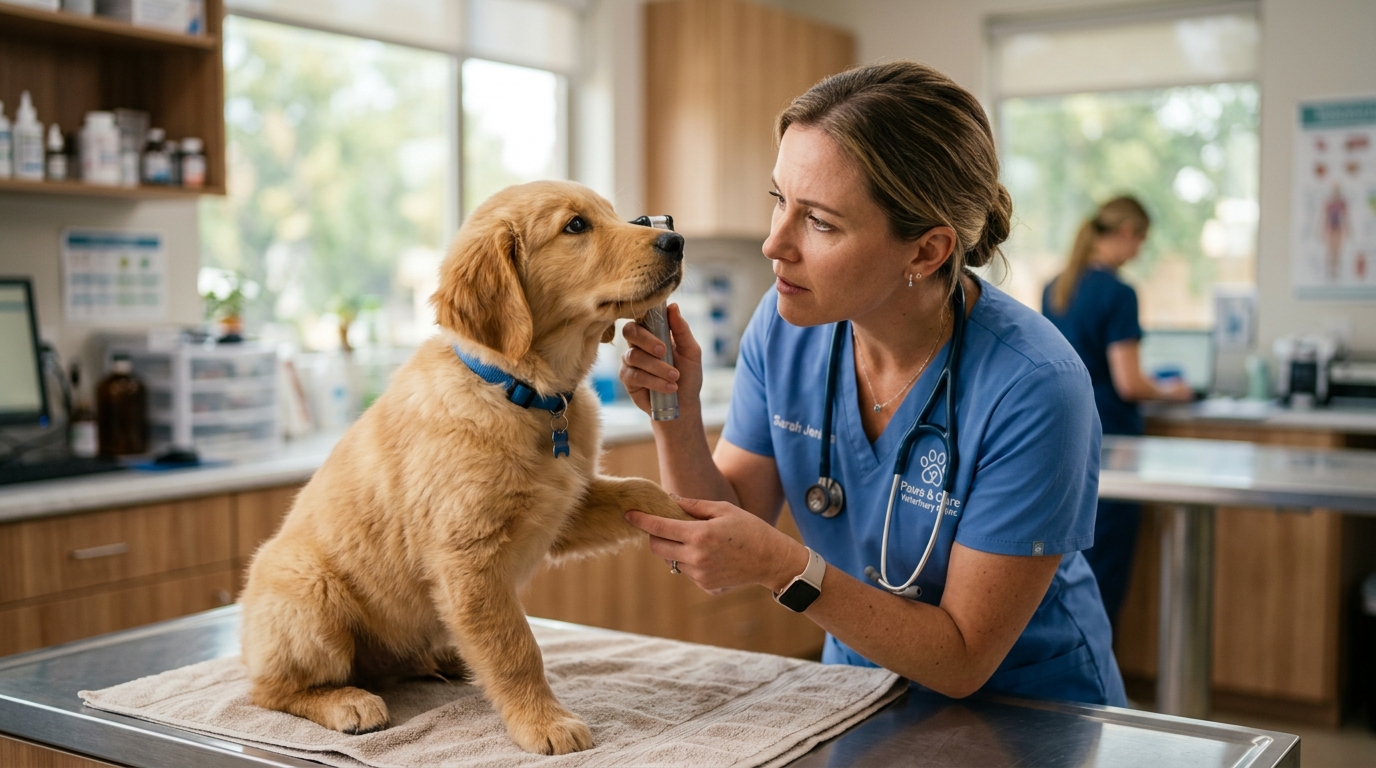
Professional diagnosis is essential because dog pancreatitis symptoms overlap heavily with other gastrointestinal ailments. Veterinarians utilize a combination of advanced diagnostics to confirm the exact diagnosis and assess organ damage. Swift medical action ensures the best possible clinical outcome.
What to Expect During Vet Diagnostic Tests
Veterinarians typically perform specific blood tests to measure pancreatic enzyme levels and systemic inflammation markers. Furthermore, abdominal ultrasound imaging allows clinicians to visualize the pancreas and check adjacent organs like the liver and gallbladder. Comprehensive testing ensures an accurate diagnosis and guides the formulation of an effective treatment plan.
Hospitalization, Fluid Therapy, and Strict Fasting
Hospitalization is frequently required to manage moderate to severe cases of canine pancreatitis. Intravenous fluid therapy restores hydration and maintains proper electrolyte balance while supporting blood flow to vital organs. Additionally, temporary fasting gives the inflamed pancreas a crucial chance to rest and heal without being stimulated by food digestion.
Real-World Case Study: Managing Digestive Health in Senior Dogs
Professional pet care settings frequently encounter older dogs with sensitive digestive systems requiring specialized daily management. In one notable instance, an eleven-year-old senior rescue dog arrived displaying intermittent vomiting and severe lethargy after consuming an accidental high-fat treat. Immediate veterinary diagnostics confirmed acute mild pancreatitis, requiring two days of outpatient fluid therapy and a strict low-fat prescription diet. By eliminating all table scraps and introducing easily digestible proteins, the dog recovered completely within two weeks. This case highlights how rapid owner response and consistent dietary discipline successfully reverse early-stage pancreatic inflammation in aging pets.
Effective Strategies for Preventing Dog Pancreatitis Symptoms
Preventing dog pancreatitis symptoms relies on consistent, proactive choices made by dedicated pet owners every day. Establishing safe feeding habits and monitoring nutritional intake minimizes long-term health risks. Prevention remains far more effective than emergency treatment.
Implementing a Low-Fat Diet and Safe Feeding Habits
Transitioning to a high-quality, veterinarian-approved low-fat food diet protects the pancreas from chronic stress. Owners should ensure that all household members understand the strict rule against feeding human food or greasy snacks. Providing safe, low-fat chew toys satisfies a dog’s desire to snack without endangering their internal health.
Routine Health Checks and Early Intervention
Routine veterinary wellness exams catch potential metabolic or digestive imbalances before they escalate into painful emergencies. Regular blood panels and physical evaluations provide a clear picture of a pet’s internal health status. Partnering closely with veterinary professionals ensures a long, healthy, and comfortable life for every furry companion.
Frequently Asked Questions About Dog Pancreatitis Symptoms
Can dog pancreatitis symptoms resolve without visiting a vet?
No, true pancreatitis is a serious medical condition that requires professional veterinary diagnosis and treatment. Delaying care can lead to severe systemic complications or life-threatening organ damage.
What foods are safest for dogs recovering from pancreatitis?
Recovering dogs require highly digestible, low-fat prescription diets recommended by a veterinarian. Plain white rice and boiled skinless chicken breast are sometimes used temporarily under direct medical supervision.
Is canine pancreatitis a recurring condition?
Yes, dogs that have experienced pancreatitis face a higher risk of future episodes. Lifelong dietary discipline and weight management are mandatory to prevent recurrence.
https://www.poocheshairstudio.com
Find more expert grooming tips at our [Poochestips Home]
Pooches Hair Studio Official Website: [poocheshairstudio]
"Healthy paws, happy dogs. Visit [Poochestips Home] for more comprehensive guides!"
Discover our top grooming product recommendations at [Pooches Choice]!
(As an Amazon Associate, I earn from qualifying purchases. This helps support our blog in providing valuable information for dog owners at no extra cost to you.)