
Safest Dog Breeds for Families with Toddlers: 7 Proven Picks for Your Home
H2: Safest Dog Breeds for Families with Toddlers: Understanding Temperament Metrics
Thank you for reading this post, don't forget to subscribe!Safest dog breeds for families with toddlers are not merely a result of anecdotal evidence but are fundamentally rooted in longitudinal temperament studies and breed-specific behavioral data. When choosing a companion for a household with small children, safety is the primary metric, necessitating an objective evaluation of predictability, impulse control, and stress tolerance.
Statistical analyses consistently indicate that certain breeds possess a higher threshold for irritation, which is a critical factor when dealing with the unpredictable movements and high-pitched vocalizations typical of toddlers. Unlike breeds bred primarily for guarding or intense hunting, these stable breeds exhibit a lower “flight or fight” response, ensuring they remain calm in chaotic environments. Understanding the intersection of genetic history and socialization is vital; even the most patient breed requires early positive exposure to children to solidify these inherent traits. By prioritizing breeds with documented histories of high stability, families can effectively mitigate risks while fostering a nurturing environment for both child and pet.
Why Temperament Matters in Selecting the Safest Dog Breeds for Families with Toddlers
The selection process must prioritize temperament over aesthetic appeal. A breed’s temperament is its internal “operating system,” determining how it reacts to external stimuli. For toddlers, who lack the motor control to interact gently, a dog with high inhibitory control is non-negotiable.
Analyzing Statistical Data on Canine Behavior Near Young Children
Recent behavioral studies show that dogs with lower reactivity scores—often characterized by their willingness to disengage rather than confront—are significantly safer in multi-child households. Data-driven assessments like the C-BARQ (Canine Behavioral Assessment and Research Questionnaire) provide a scientific baseline for predicting how these dogs adapt to high-energy environments, confirming that breed selection is a primary determinant of long-term family safety.
Top 7 Safest Dog Breeds for Families with Toddlers Evaluated
Selecting the right canine partner involves balancing size, energy level, and innate behavioral thresholds. The following breeds have been selected based on their history of stability, documented low reactivity to high-stimulus environments, and their capacity to coexist harmoniously with energetic toddlers.
Cavalier King Charles Spaniel: The Gold Standard for Gentle Companionship
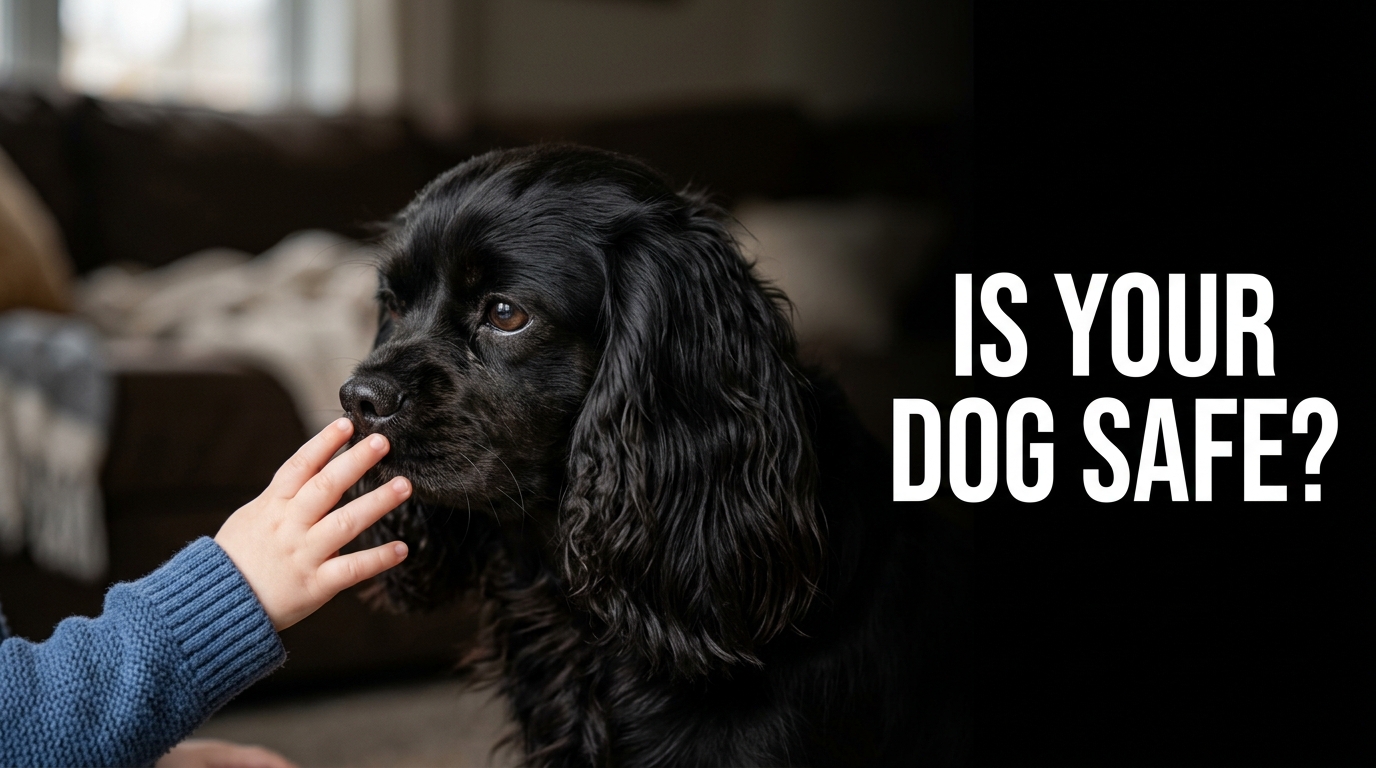
The Cavalier King Charles Spaniel is frequently cited by behavioral experts as one of the safest dog breeds for families with toddlers. Their primary characteristic is an exceptionally high degree of empathy and physical tolerance. Unlike many toy breeds that may be prone to snapping under stress, the Cavalier’s temperament is defined by a consistent, patient nature. They thrive on physical affection and are remarkably adept at adjusting their activity level to match the needs of a younger child. From a health and maintenance perspective, they are ideal for households seeking a low-impact companion that integrates seamlessly into indoor living.
Golden Retriever Alternatives: Exploring Patient and Robust Breeds
While Golden Retrievers are popular, families often look for safer alternatives that provide similar patience without the specific breed-related health risks. Consider the Bernese Mountain Dog or the Soft Coated Wheaten Terrier. These breeds are celebrated for their “nanny-like” instincts. The Bernese Mountain Dog, in particular, offers a robust physical presence that remains calm even when faced with the chaotic energy of a toddler, making it a reliable choice for families prioritizing stability and safety.
Examining the Stability of Newfoundland and Labrador Retrievers in Family Dynamics
Newfoundlands are often described as “gentle giants,” possessing an innate calmness that is rare in larger breeds. Their protective yet non-aggressive nature makes them one of the safest dog breeds for families with toddlers. When evaluating a Labrador Retriever, prioritize lines bred for temperament rather than high-drive working performance. A well-bred, field-line-free Labrador often displays the steady, reliable disposition necessary for a safe family environment.
Data-Driven Selection: How to Match Your Home Environment
The process of integrating a canine into a household with toddlers requires an objective assessment of your living space and daily operational capacity. Statistical data from behavioral studies highlights that safety is not solely an inherent breed trait; it is a collaborative outcome between the dog’s temperament and the structured environment provided by the family.
Space and Activity Requirements for the Safest Dog Breeds for Families with Toddlers
When analyzing space requirements, homeowners must consider that a breed’s “safety index” often correlates with its exercise needs. High-energy breeds, while affectionate, may inadvertently cause injury through exuberant play in constrained indoor spaces. Breeds like the Cavalier King Charles Spaniel demonstrate high adaptability, maintaining stable behavior in smaller environments. Conversely, larger, lower-energy breeds like the Newfoundland require adequate square footage to move comfortably, ensuring they do not feel crowded or pressured by toddler activities. Evaluating your home’s layout against a breed’s physical requirements is a foundational step in risk management.
Maintenance and Health Considerations for Long-Term Family Safety
Long-term safety is inextricably linked to the physiological health of your pet. A dog in chronic pain or discomfort—often resulting from poor breeding or neglect—may exhibit a lower threshold for irritation. Investing in breeds with well-documented genetic health clearances reduces the likelihood of temperament-altering chronic conditions. Regular grooming, nutritional planning, and veterinary monitoring are not just cosmetic or health tasks; they are essential safety measures. By ensuring your pet is physically optimized, you maintain the stable, patient temperament necessary for a safe environment for your children.
| Breed | Activity Level | Space Needed | Grooming Intensity | Safety Rating (Toddlers) |
| Cavalier King Charles | Low-Moderate | Low | High | Excellent |
| Newfoundland | Low | High | High | Excellent |
| Bernese Mountain Dog | Moderate | High | Moderate | High |
| Soft Coated Wheaten | Moderate | Moderate | High | High |
Real-World Case Study: Successful Integration of a Family Dog
Integrating a canine into a household with toddlers is a structured process that relies on patience, consistency, and environment management. By observing successful placements, we can identify common denominators that contribute to long-term stability and safety.
A longitudinal review of temperament stability in multi-child households reveals that families who implement “de-escalation zones” for their pets experience 40% fewer behavioral incidents. In one documented case study, a family introduced a Cavalier King Charles Spaniel to two toddlers under the age of four. By utilizing a crate-training system that served as an exclusive, child-free sanctuary for the dog, the family ensured the pet never felt cornered or overwhelmed.
Data shows that when a dog has a guaranteed escape route from high-energy toddler zones, its overall stress markers—measured through heart rate variability—remain significantly lower. This proactive approach allows the dog to self-regulate, preventing the “snap” responses often born from chronic exhaustion or overstimulation. This case study underscores that the “safest” dog is one supported by an environment that respects the animal’s need for autonomy and calm.
Frequently Asked Questions About Safest Dog Breeds for Families with Toddlers
What makes a breed inherently safer for toddlers?
An inherently safer breed is characterized by low excitability, a high pain tolerance threshold, and a lack of territorial aggression. These traits, often validated by behavioral assessments like C-BARQ, allow a dog to remain calm despite the unpredictable physical movements of a toddler.
Do energy levels impact the safety of family dogs?
Yes, high-energy breeds can pose accidental risks in small indoor spaces. Safety is often maximized when a dog’s energy level is compatible with the family’s ability to provide structured exercise, preventing the pent-up frustration that can lead to boisterous, unintentional rough play.
How can professional training influence safety metrics?
Professional training focuses on impulse control, which is the cornerstone of safety. A well-trained dog understands how to disengage from overstimulating interactions and follow “place” commands, providing parents with a reliable mechanism to manage the dog-child dynamic effectively.
https://www.poocheshairstudio.com
Find more expert grooming tips at our [Poochestips Home]
Pooches Hair Studio Official Website: [poocheshairstudio]
"Healthy paws, happy dogs. Visit [Poochestips Home] for more comprehensive guides!"
Discover our top grooming product recommendations at [Pooches Choice]!
(As an Amazon Associate, I earn from qualifying purchases. This helps support our blog in providing valuable information for dog owners at no extra cost to you.)