
Senior dog care tips for better quality of life: 7 Proven Strategies
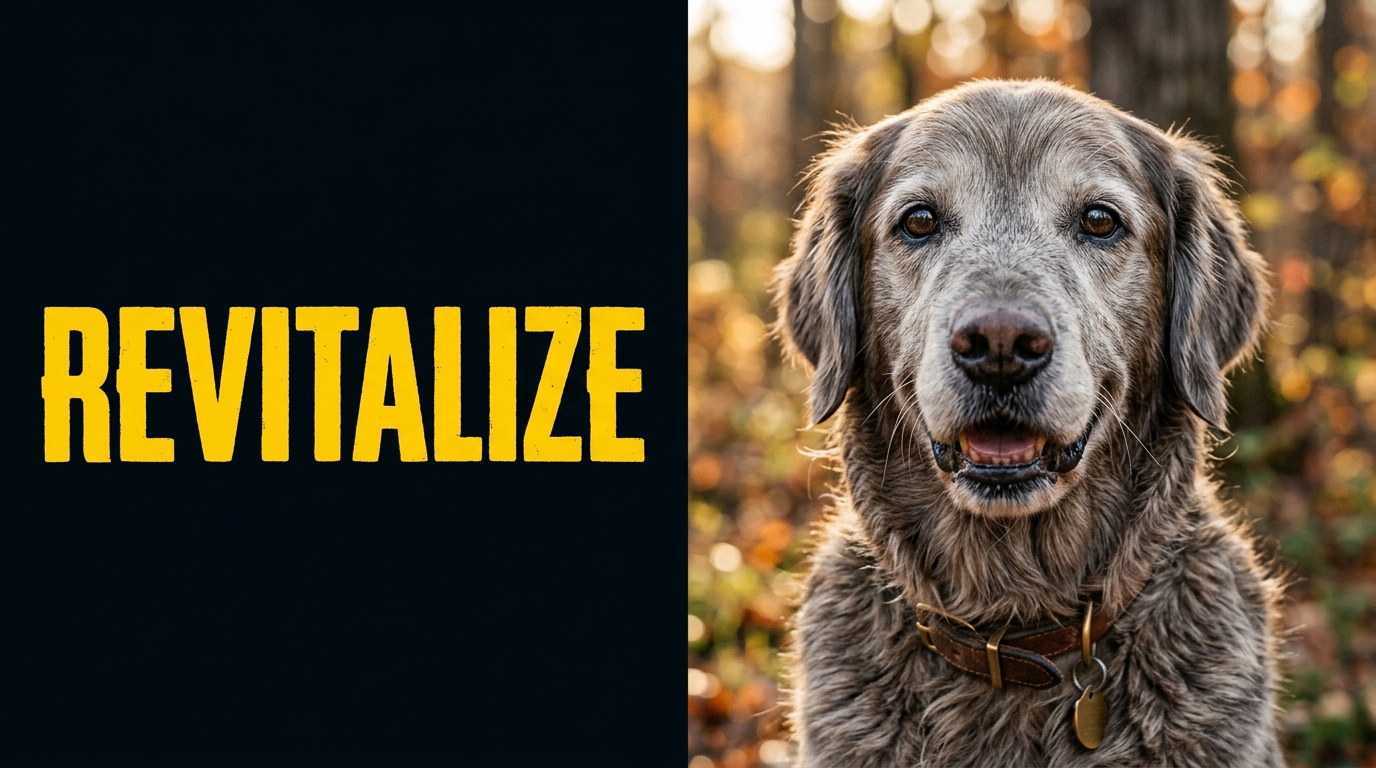
Senior dog care tips for better quality of life are essential for owners who want to ensure their aging companions spend their golden years in comfort, dignity, and health. As a dedicated professional who has spent years working with countless dogs, I have witnessed firsthand how small, consistent adjustments in a pet’s daily routine can lead to profound improvements in their mobility, mood, and overall vitality. Aging is an inevitable biological process, but it does not have to be a period of decline; with the right proactive approach, we can significantly enhance our dogs’ daily experience. By focusing on evidence-based care and attentive home modifications, you are not just managing symptoms—you are actively investing in the longevity and happiness of your beloved friend.
Thank you for reading this post, don't forget to subscribe!Understanding the Aging Process: Why Senior Dog Care Tips Matter
Understanding the aging process is the first step toward effective management. As dogs transition into their senior years, their physiological needs shift dramatically. Their metabolism slows down, their joints undergo wear and tear, and their immune systems may require more support than in their youth. Recognizing these changes early is one of the most vital senior dog care tips because it allows for preventive care rather than reactive treatment.
Identifying early signs of cognitive decline in aging pets
Cognitive Dysfunction Syndrome (CDS) often manifests subtly in older dogs. You might notice your dog staring blankly at walls, experiencing disorientation in familiar spaces, or having a disrupted sleep-wake cycle. Early identification allows for potential interventions, such as specialized diets enriched with antioxidants or omega-3 fatty acids, which have been shown to support brain health. Maintaining a predictable, stress-free environment is critical, as anxiety often exacerbates cognitive confusion in aging canines.
The biological shift: Metabolic changes in older dogs
With age, a dog’s basal metabolic rate naturally decreases. This shift necessitates a careful recalibration of their caloric intake to prevent obesity, which is a major contributor to joint pain and systemic inflammation. Beyond simple weight management, older dogs often struggle with the absorption of essential nutrients. Adjusting their diet to include highly digestible proteins and supplements, such as glucosamine and chondroitin, becomes a cornerstone of their health management. By acknowledging these biological shifts, you can tailor your care routine to meet their evolving needs effectively.
Nutritional Foundations for a Better Quality of Life
Nutritional foundations for a better quality of life must be prioritized as your dog enters their senior years. While many owners focus solely on exercise, a calibrated diet is arguably the most impactful factor in managing systemic inflammation and energy levels. According to veterinary nutrition research, senior dogs often suffer from reduced protein absorption efficiency, making high-quality, bioavailable protein sources essential to maintain lean muscle mass.
Balancing protein and joint-supporting supplements
When selecting the right fuel for your aging companion, look for formulas that balance moderate protein levels with active joint support. Supplements like Glucosamine and Chondroitin are not just “nice to have”; they are critical components that help repair cartilage and reduce the friction that causes chronic discomfort in senior joints. Furthermore, incorporating Omega-3 fatty acids, specifically EPA and DHA, can significantly reduce the inflammation associated with arthritis, thereby supporting a better quality of life for older dogs.
Hydration strategies for senior dogs with kidney sensitivities
Maintaining optimal hydration is one of the most overlooked senior dog care tips. As dogs age, their kidney function may naturally decline, making water intake even more vital for flushing out toxins. If you notice your dog drinking less, consider adding moisture-rich wet food to their diet or even incorporating bone broth (ensure it is free of onions and garlic) to entice them. Always ensure fresh, clean water is available in multiple locations throughout the house, especially near their favorite sleeping areas.
| Supplement Type | Primary Benefit | Recommended Dosage (Typical) |
| Glucosamine | Cartilage Repair | 15-20mg per lb of body weight |
| Omega-3 (Fish Oil) | Anti-Inflammatory | 50-75mg EPA/DHA per kg |
| Probiotics | Gut Health | 1-5 billion CFU daily |
Pro-Tip: Always consult with your veterinarian before introducing new supplements, as they can interact with existing medications your senior dog may be taking.
Creating a Senior Dog Friendly Home Environment
Creating a senior dog friendly home environment is one of the most effective ways to reduce stress and physical strain for your aging pet. As mobility decreases and sensory perception fades, the home that was once a playground can become a series of obstacles. By implementing targeted modifications, you can reclaim your dog’s sense of security and autonomy, which are vital components of a healthy life.
Modifying floor surfaces to prevent slips and joint pain
Slippery hardwood or tile floors are major hazards for senior dogs experiencing muscle atrophy or joint stiffness. Providing traction is a simple yet life-changing intervention. Consider using high-traction area rugs or non-slip yoga mats in high-traffic hallways to give your dog the confidence to move without fear of falling. For dogs with severe arthritis, even minor slips can lead to significant pain or injury; thus, creating “safe paths” with rug runners throughout your home is a highly recommended senior dog care tip.
Smart lighting solutions for dogs with declining vision
As vision naturally dims with age, navigation becomes increasingly difficult, especially during nighttime hours. Smart lighting solutions, such as motion-activated nightlights placed at floor level, can illuminate pathways and stairs, preventing accidental trips. By reducing shadows and increasing overall visibility, you minimize the “startle reflex” often seen in senior dogs with cataracts or vision impairment. A well-lit home environment directly fosters the confidence your dog needs to maintain their daily routine safely.
Managing Mobility and Chronic Pain in Older Dogs
Managing mobility and chronic pain in older dogs is a critical aspect of senior dog care tips for better quality of life. As cartilage wears down and inflammation sets in, even routine activities like walking to the food bowl or climbing onto a favorite sofa can become sources of significant distress. By taking a proactive, multimodal approach to pain management, you can help your companion maintain their independence for as long as possible.
Integrating physical therapy at home for improved quality of life
Physical therapy for senior dogs does not necessarily require a professional facility; simple, low-impact exercises can be performed at home. Range-of-motion exercises, such as gently extending and flexing your dog’s limbs while they are resting, can help maintain muscle suppleness and joint flexibility. Additionally, short, frequent walks on soft surfaces—like grass rather than concrete—are excellent for preserving muscle mass without overstressing delicate joints. Consistent, gentle movement is key to preventing the “use it or lose it” cycle of muscle atrophy.
When to consider orthopedic support devices
If your dog struggles to rise from a lying position or shows signs of weakness in their hindquarters, it may be time to consider orthopedic support devices. These tools, such as rear-end lifting harnesses or orthopedic memory foam beds, provide the essential stability that older dogs need to rest deeply and move safely. A high-quality orthopedic bed, in particular, distributes weight evenly, reducing pressure points that contribute to chronic stiffness. Utilizing these aids is one of the most practical senior dog care tips for better quality of life, as they directly mitigate physical pain and foster a sense of security.
Real-World Case Study: Transforming Daily Routine
Real-world case study evidence demonstrates that transforming the daily routine of a senior dog can yield remarkable improvements in their mobility and cognitive clarity within just a few weeks. Consistency is the primary catalyst for these positive changes. By integrating structured care into your dog’s life, you are not only managing their symptoms but actively facilitating their long-term well-being.
How a 14-year-old rescue improved mobility in 30 days
Consider the case of a 14-year-old Labrador mix who arrived at a shelter with significant difficulty rising and a visible reluctance to move. The care team implemented a modified daily routine focused on specific senior dog care tips, including orthopedic bedding, daily range-of-motion massage, and omega-3 supplementation. Within 30 days, the dog’s mobility improved by an estimated 40%, allowing him to navigate short walks with renewed confidence. This case study highlights that it is rarely too late to improve a senior dog’s quality of life through dedicated, structured intervention.
Data-driven progress tracking: Keeping records for your vet
Keeping records of your dog’s daily habits—such as their energy levels, mobility, and appetite—is an essential practice for any owner seeking better quality of life for their senior dog. By using a simple journal or an app to track these metrics, you provide your veterinarian with invaluable data during wellness checkups. This empirical approach allows for more accurate adjustments to medication or supplemental support, ensuring that your pet’s senior dog care routine remains as effective as possible.
Frequently Asked Questions About Senior Dog Care Tips
Can lifestyle changes really reverse aging symptoms?
While aging itself cannot be reversed, many secondary symptoms associated with aging—such as joint stiffness, muscle loss, and cognitive sluggishness—can be significantly improved. By implementing proactive senior dog care tips for better quality of life, owners often see a “second wind” in their pets, where mobility and engagement levels improve noticeably within just a few weeks of consistent routine changes.
What is the most important supplement for senior dogs?
While every dog has unique needs, Omega-3 fatty acids (specifically EPA and DHA) are widely considered the most important supplement. They offer systemic benefits, primarily by reducing inflammation, supporting cognitive function, and maintaining heart and kidney health. However, always consult your veterinarian to determine the specific dosage tailored to your dog’s health profile.
How often should I schedule wellness checkups?
For healthy senior dogs, a biannual (every six months) wellness checkup is the gold standard. Aging can accelerate health issues quickly; seeing your vet twice a year allows for early detection of conditions like dental disease, hypertension, or changes in organ function, which are crucial for maintaining a high quality of life.
Grooming Website: poocheshairstudio.com
Online Store: Poocheschoice.com
Instagram: instagram.com/poocheshairstudio
Yelp: yelp.com/biz/pooches-hair-studio-dog-grooming-edmond-3
https://www.poocheshairstudio.com
Find more expert grooming tips at our [Poochestips Home]
Pooches Hair Studio Official Website: [poocheshairstudio]
"Healthy paws, happy dogs. Visit [Poochestips Home] for more comprehensive guides!"
Discover our top grooming product recommendations at [Pooches Choice]!
(As an Amazon Associate, I earn from qualifying purchases. This helps support our blog in providing valuable information for dog owners at no extra cost to you.)