
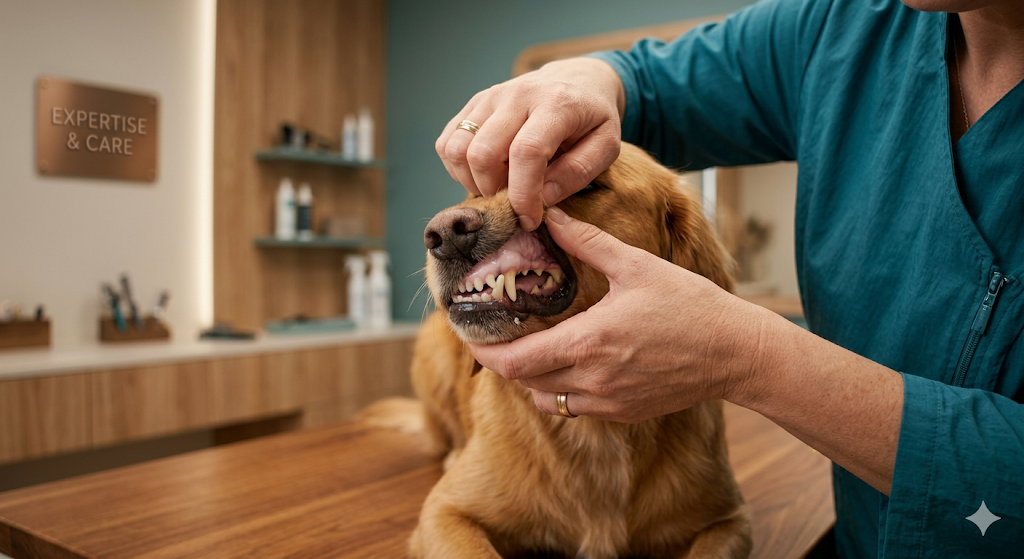
Dog Pale Gums Anemia Symptoms: A Groomer’s Life-Saving Discovery Guide
Dog Pale Gums Anemia Symptoms serve as a silent but deadly warning for every responsible pet owner. As a professional groomer, I often check more than just the coat. Specifically, I monitor the color of the mucous membranes to ensure overall health. Consequently, noticing a change in gum color can be the difference between life and death. Understanding why these symptoms occur is the first step in protecting your beloved companion.
Thank you for reading this post, don't forget to subscribe!1. Why Dog Pale Gums Anemia Symptoms Are a Critical Red Flag
Understanding the Role of Hemoglobin and Oxygen Transport
Furthermore, anemia represents a severe deficiency in red blood cells or vital hemoglobin. Specifically, hemoglobin plays a crucial role in transporting oxygen throughout the entire body. If hemoglobin levels drop, the blood cannot supply oxygen to cells effectively. Consequently, this lack of oxygen leads to a dangerous condition known as tissue hypoxia. Therefore, recognizing these internal failures early is vital for preventing permanent organ damage.
From Healthy Pink to Warning White: Identifying Discoloration
Normally, a healthy dog’s gums should display a vibrant, salmon-pink color. However, Dog Pale Gums Anemia Symptoms manifest as white, pale grey, or even bluish tints. Specifically, this discoloration occurs because there are not enough red cells to color the tissue. Moreover, you might notice this paleness in the ears or even on the tongue. Thus, any deviation from healthy pink requires immediate attention from a qualified veterinarian.
Recognizing Lethargy and Rapid Breathing (Tachypnea)
Subsequently, internal oxygen shortages lead to visible behavioral changes and physical distress. Often, an anemic dog will exhibit extreme lethargy and unexplained weakness. Furthermore, they may experience tachypnea, which is characterized by abnormally rapid breathing. Specifically, the heart pumps faster to compensate for the lack of oxygen in the blood. Consequently, your dog might tire easily during even the shortest walks. Ultimately, these physical signs combined with pale gums indicate a medical emergency.
2. My Grooming Table Discovery: A Real-World Anemia Case Study
Spotting Pale Mucous Membranes During a Routine Session
During a standard grooming session last month, I noticed something deeply concerning. While checking a regular client’s dental health, I identified undeniable Dog Pale Gums Anemia Symptoms. Specifically, the gums were nearly white instead of the healthy salmon-pink I usually see. Furthermore, the dog appeared unusually sluggish on the grooming table. Consequently, I paused the session immediately to perform a capillary refill test. This simple observation confirmed that the dog’s internal oxygen transport was severely compromised.
Communication with Owners: Urging Immediate Veterinary Diagnostics
Subsequently, I shared my observations with the worried owner during the pickup. I explained that Dog Pale Gums Anemia Symptoms often hide serious underlying medical issues. Therefore, I strongly urged them to seek immediate veterinary diagnostics and a full blood count. Specifically, I highlighted how early detection can prevent sudden collapse or permanent tissue hypoxia. Fortunately, the owner took my professional advice seriously and headed straight to the clinic. Ultimately, my role as a groomer extended far beyond just aesthetics that day.
The Vital Role of Groomers in Early Health Detection
Moreover, professional groomers serve as a crucial first line of defense for pet health. Often, we spend more time inspecting a dog’s skin, ears, and mouth than many owners do. Consequently, we can detect subtle changes in mucous membrane color before they become life-threatening. Specifically, identifying Dog Pale Gums Anemia Symptoms during a bath or clip is a life-saving skill. Therefore, maintaining a professional “health-first” mindset is essential for every grooming expert. As a result, we provide a holistic care service that prioritizes the long-term well-being of every furry client.
🐕 Real-World Case Study: The Groomer’s Alert
- Observation: Extreme paleness of gums and tongue during dental cleaning.
- Behavioral Sign: Dog was unable to stand for the usual duration of the clip.
- Outcome: Veterinary visit revealed early-stage IMHA; treatment started immediately.
- Lesson: Regular grooming is an opportunity for a full-body health screening.
3. Deep Dive into Causes: Regenerative vs. Non-Regenerative Anemia
Regenerative Anemia: Hemorrhage, Toxins (Onions/Garlic), and IMHA
Furthermore, regenerative anemia occurs when the body loses red blood cells faster than the bone marrow can replace them. Specifically, external trauma or internal tumors often cause acute hemorrhagic anemia. Moreover, common household ingredients like onions and garlic trigger severe hemolytic anemia. Consequently, these toxins destroy red blood cell membranes, leading to visible Dog Pale Gums Anemia Symptoms. Additionally, Immune-Mediated Hemolytic Anemia (IMHA) causes the body to attack its own blood cells. Therefore, rapid veterinary intervention is required to stop this aggressive internal destruction.
Non-Regenerative Anemia: Chronic Kidney Disease and Bone Marrow Issues
Conversely, non-regenerative anemia stems from the body’s inability to produce new red blood cells. Often, chronic conditions like kidney disease or liver failure suppress essential hormone production. Specifically, a lack of erythropoietin prevents the bone marrow from creating healthy blood cells. Furthermore, chronic inflammation or bone marrow suppression can lead to a gradual physical decline. Consequently, these cases display persistent Dog Pale Gums Anemia Symptoms over a long period. Ultimately, managing the underlying chronic illness is the only way to restore blood health.
External Threats: Tick-Borne Diseases and Parasitic Infections
Subsequently, environmental factors play a significant role in triggering blood loss. Specifically, tick-borne diseases like Babesia directly invade and rupture canine red blood cells. Furthermore, severe flea infestations can cause significant blood loss in smaller puppies. Therefore, consistent year-round parasite prevention is essential for maintaining robust blood counts. Consequently, protecting your dog from these external threats prevents the onset of sudden, life-threatening anemia. As a result, your dog maintains healthy, vibrant pink gums through proper preventive care.
Clinical Comparison: Types of Canine Anemia
| Feature | Regenerative Anemia | Non-Regenerative Anemia |
| Primary Mechanism | Increased loss or destruction of RBCs | Decreased production of RBCs |
| Common Causes | Trauma, Onion/Garlic toxicity, IMHA | Chronic Kidney Disease, Bone Marrow failure |
| Onset Speed | Often sudden and acute (Emergency) | Usually slow and chronic (Progressive) |
| Bone Marrow Response | High (Actively producing new cells) | Low or Absent (No new cells created) |
| Key Treatment | Blood transfusion, surgery, detox | Hormone injections (EPO), treating chronic disease |
4. Veterinary Diagnostics and Emergency Treatments
Complete Blood Count (CBC) and Blood Smear Analysis
Furthermore, professional diagnostics are essential to assess the severity of Dog Pale Gums Anemia Symptoms. Initially, veterinarians perform a Complete Blood Count (CBC) to measure red blood cell volume. Specifically, this test evaluates the Hematocrit (HCT) or Packed Cell Volume (PCV) levels. Moreover, a blood smear analysis allows experts to observe cell shapes under a microscope. Consequently, these results determine whether the anemia is regenerative or non-regenerative. Therefore, comprehensive blood work provides the foundational map for your dog’s recovery plan.
When is a Blood Transfusion or Oxygen Therapy Necessary?
Subsequently, severe cases require immediate stabilization to prevent total organ failure. Specifically, if the red blood cell count drops dangerously low, a blood transfusion becomes life-saving. Furthermore, supplemental oxygen therapy helps alleviate the distress caused by tissue hypoxia. Consequently, these emergency measures provide the necessary time to treat the underlying cause. Therefore, you must act quickly if you observe extreme weakness alongside Dog Pale Gums Anemia Symptoms. Ultimately, stabilizing the patient is the primary goal during an acute anemic crisis.
Long-term Management: Erythropoietin Injections and Immune Support
Moreover, chronic or non-regenerative cases require a long-term medical strategy. Often, dogs with kidney disease receive erythropoietin (EPO) injections to stimulate blood production. Specifically, these hormonal treatments help the bone marrow create new, healthy red blood cells. Furthermore, immunosuppressive drugs are vital for treating autoimmune conditions like IMHA. Consequently, consistent medication and follow-up blood tests ensure the anemia remains under control. Therefore, long-term management focuses on treating the root cause rather than just the symptoms.
5. Prevention Strategies to Protect Your Dog’s Blood Health
Strict Dietary Safety: Avoiding Toxic Human Foods
Furthermore, preventing Dog Pale Gums Anemia Symptoms starts in your kitchen. Specifically, you must ensure your dog never consumes toxic ingredients like onions or garlic. Moreover, even small amounts of these foods can trigger irreversible oxidative damage to red blood cells. Therefore, keeping human leftovers strictly out of reach is a critical safety measure. Consequently, educating every family member about these hidden dietary dangers protects your dog’s long-term blood health. Ultimately, a safe, controlled diet is the most effective shield against hemolytic anemia.
Year-round Parasite Prevention and Regular Blood Screenings
Subsequently, maintaining a consistent defense against external parasites is absolutely essential. Specifically, ticks carry dangerous pathogens that directly invade and destroy canine blood cells. Furthermore, severe flea infestations can lead to significant blood loss in smaller or senior dogs. Therefore, administering professional-grade parasite preventatives year-round is a non-negotiable responsibility. Moreover, regular blood screenings during annual check-ups help detect subtle changes before symptoms escalate. Consequently, proactive monitoring ensures your dog’s red blood cell counts remain within a healthy, vibrant range.
Managing Chronic Conditions to Prevent Secondary Anemia
Moreover, early management of chronic illnesses prevents the onset of non-regenerative anemia. Often, diseases like chronic kidney failure or persistent inflammation silently suppress blood production. Specifically, following a veterinarian-approved plan for chronic conditions helps maintain hormonal balance. Therefore, staying vigilant with prescribed medications and specialized diets is crucial for long-term stability. Consequently, you can prevent the development of secondary Dog Pale Gums Anemia Symptoms by treating the root cause early. As a result, your dog enjoys a much higher quality of life despite having underlying health issues.
6. FAQ: Vital Questions on Dog Pale Gums Anemia Symptoms
Can a dog recover from severe anemia without a transfusion?
Furthermore, recovery depends entirely on the underlying cause and current red blood cell levels. Specifically, mild cases caused by iron deficiency might resolve with supplements and diet. However, life-threateningly low counts require an immediate blood transfusion to stabilize the patient. Therefore, you should never wait for natural recovery when facing severe Dog Pale Gums Anemia Symptoms.
How often should I check my dog’s gum color at home?
Subsequently, performing a quick gum check once a week is a great preventative habit. Specifically, familiarizing yourself with your dog’s healthy pink color helps you spot subtle changes early. Furthermore, you should check the gums immediately if your dog appears lethargic or refuses food. Consequently, this simple routine allows for early detection of potentially fatal internal issues.
What are the first signs of internal bleeding in dogs?
Moreover, internal bleeding often manifests as sudden, unexplained weakness and significantly pale gums. Specifically, you might notice a distended abdomen or cold extremities as the body loses blood. Consequently, these Dog Pale Gums Anemia Symptoms indicate a critical emergency that requires surgical intervention. Therefore, rushing to the nearest veterinary hospital is the only way to ensure survival.
https://www.poocheshairstudio.com
Find more expert grooming tips at our [Poochestips Home]
Pooches Hair Studio Official Website: [poocheshairstudio]
"Healthy paws, happy dogs. Visit [Poochestips Home] for more comprehensive guides!"
Discover our top grooming product recommendations at [Pooches Choice]!
(As an Amazon Associate, I earn from qualifying purchases. This helps support our blog in providing valuable information for dog owners at no extra cost to you.)