
The Day a Routine Grooming Turned Into an Emergency: My Story with Dog Gastritis Yellow Vomit
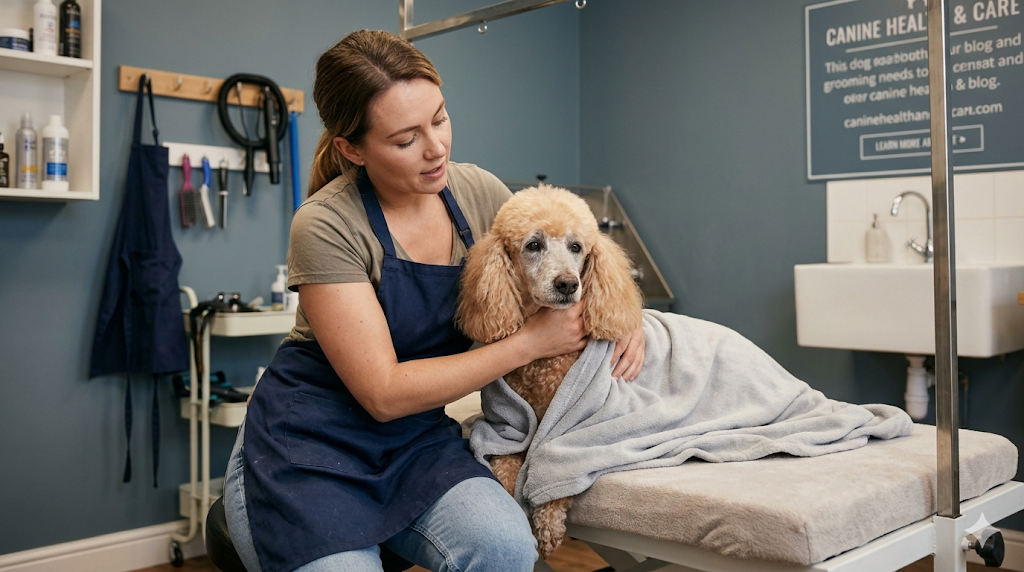
Dog Gastritis Yellow Vomit was the last thing I expected to see during a routine styling session for a senior Poodle last spring. As a professional groomer, I focus on the coat and skin, but our pets’ internal health often manifests in the most unexpected moments. Right before I started the finishing touches with my favorite iGroom shears, the poor pup began heaving, eventually bringing up a bright yellow, foamy liquid. My heart sank. This wasn’t just motion sickness; it was a clear clinical sign of an inflamed stomach lining, a condition we often categorize as gastritis.
Thank you for reading this post, don't forget to subscribe!Identifying the Warning Signs of Bilious Vomiting on the Grooming Table
When a dog experiences Dog Gastritis Yellow Vomit while being handled, it often points to Bilious Vomiting Syndrome (BVS). In my experience, dogs that haven’t eaten for a long period—especially before a stressful grooming appointment—tend to accumulate bile in the stomach. This bile irritates the gastric mucosa, leading to that distinct yellow foam. I immediately stopped the grooming, offered a small amount of water to prevent dehydration, and noticed the dog’s abdomen was tense. Identifying these signs early is crucial for any pet professional or owner.
Why Your Dog’s Empty Stomach is Producing Yellow Bile
The science behind Dog Gastritis Yellow Vomit is quite straightforward yet often misunderstood. Unlike humans, a dog’s stomach acid is highly potent, but when the stomach remains empty for too long, bile from the small intestine can reflux back into the stomach. According to veterinary studies, this alkaline bile is incredibly corrosive to the stomach’s protective lining. Consequently, the body tries to expel the irritant, resulting in the yellow vomit we see. It’s a physiological “red alert” that the digestive timing is off or the stomach is struggling with underlying inflammation.
Understanding the Medical Roots of Dog Gastritis Yellow Vomit
Transitioning from the grooming table to the veterinary clinic, understanding Dog Gastritis Yellow Vomit requires exploring the exact root causes. Furthermore, inflammation of the gastric mucosal lining dictates the overall severity. Are we dealing with a brief upset or a lifelong battle? Consequently, knowing these medical origins helps pet owners react appropriately and avoid panic.
Acute vs. Chronic Gastritis: When Should You Panic?
Acute gastritis happens suddenly. Usually, it is triggered by spoiled food, swallowed foreign objects, or eating too rapidly. Therefore, a sudden episode of Dog Gastritis Yellow Vomit might resolve quickly. Conversely, chronic gastritis implies a deeper underlying systemic illness. Specifically, repeated damage to the stomach lining causes continuous vomiting and distress. In my grooming practice, recognizing these differences is absolutely vital. Indeed, it allows me to advise clients accurately before they leave my salon.
| Feature | Acute Gastritis | Chronic Gastritis |
| Onset | Sudden, highly unexpected | Gradual, frequently recurring |
| Common Causes | Spoiled food, foreign objects, fast eating | Underlying disease, Helicobacter, allergies |
| Symptom Duration | Short-term, often resolves with rest | Persistent, requires targeted medical therapy |
| Vomit Characteristics | Occasional yellow bile | Frequent bile, sometimes mixed with blood |
The Role of Bacterial Infections and Helicobacter
Interestingly, canine stomach acid is relatively weaker compared to human stomach acid. However, bacterial infections still play a massive role in Dog Gastritis Yellow Vomit. For instance, chronic uremia or severe food allergies can easily trigger ongoing inflammation. Moreover, the veterinary community increasingly points to Helicobacter infections. This specific bacteria is a primary culprit for severe chronic cases. Thus, sharing human food with dogs is incredibly dangerous. Ultimately, it often facilitates this exact bacterial transmission, compromising your pet’s digestive health.
Essential Diagnostic Steps for Persistent Dog Gastritis Yellow Vomit
When Dog Gastritis Yellow Vomit becomes a recurring nightmare, professional veterinary diagnostics are absolutely necessary. Furthermore, as a groomer, I often notice the first signs of abdominal pain during routine handling. Consequently, guiding pet owners toward proper medical testing is a crucial part of my job. Therefore, understanding these diagnostic procedures helps demystify the veterinary process for anxious dog parents.
From Physical Palpation to Endoscopy: What Veterinarians Look For
Initially, a veterinarian will perform a thorough physical palpation. Indeed, a dog suffering from gastritis will often show clear discomfort or resistance when their stomach is touched. Subsequently, X-rays are usually the next step to rule out any swallowed foreign objects. Moreover, if the Dog Gastritis Yellow Vomit is chronic, the vet might recommend an endoscopy. Specifically, this allows them to visually inspect the exact condition of the gastric mucosa. Sometimes, a temporary surgical biopsy is required to identify the underlying disease accurately.
Distinguishing Between Simple Gastritis and Serious Stomach Ulcers
It is vital to distinguish between a simple upset stomach and a severe ulcer. Fortunately, dogs are generally less prone to developing full-blown ulcers compared to humans. However, prolonged inflammation can certainly escalate into a dangerous condition. Therefore, diagnostic tools must carefully evaluate the extent of the mucosal damage. Furthermore, if blood appears alongside the vomit, immediate medical intervention is strictly required. Ultimately, catching these subtle differences ensures your dog receives the most effective treatment protocol.
Recovery Strategies: How to Treat Dog Gastritis Yellow Vomit Effectively
Treating Dog Gastritis Yellow Vomit requires a swift and strategic approach from pet owners. Furthermore, a healthy dog experiencing an acute episode often needs immediate fasting. Consequently, restricting water and food temporarily allows the inflamed stomach lining to rest. However, severe dehydration is a very real risk during this time. Therefore, I always advise my grooming clients to offer small ice cubes. Specifically, letting the dog lick ice prevents dehydration without overwhelming the stomach. Additionally, veterinarians might administer intravenous fluid therapy. Ultimately, if a swallowed foreign object caused the inflammation, surgical removal is necessary. Indeed, inducing vomiting in these cases can cause fatal esophageal damage.
The Gold Standard: Fasting, Ice Cubes, and Fluid Therapy
When acute symptoms strike, halting food intake is the universal gold standard. Moreover, the digestive system needs absolute quiet to repair the damaged mucosa. Consequently, reintroducing food must be done incredibly slowly. For example, feeding small amounts of boiled chicken and white rice is highly effective. Therefore, a bland diet minimizes the workload on the recovering stomach. Furthermore, keeping the dog calm and relaxed accelerates the healing process. Ultimately, stress directly negatively impacts gastric motility.
Long-term Management and a Real-world Case Study
Conversely, treating chronic cases demands identifying the exact underlying root cause. For instance, if an internal tumor is present, immediate surgical excision is required. Furthermore, undiagnosed food allergies frequently trigger persistent stomach inflammation. Consequently, veterinarians will prescribe a strict hypoallergenic diet to pinpoint the allergen.
Real-world Case Study: Max’s Recovery Journey Recently, a Toy Poodle named Max suffered from recurring Dog Gastritis Yellow Vomit. Initially, his owner assumed it was just routine morning sickness. However, comprehensive veterinary tests eventually revealed a severe chicken allergy. Therefore, they immediately switched his daily diet to a hydrolyzed protein formula. Consequently, within two short weeks, the bilious vomiting completely stopped. Ultimately, his coat regained its natural shine, proving that internal gut health directly impacts external beauty.
Prevention is Better Than Cure: Keeping the Stomach Lining Healthy
Preventing Dog Gastritis Yellow Vomit is far easier than treating an active flare-up. Furthermore, maintaining a healthy stomach lining requires strict daily discipline. Consequently, pet parents must prioritize hygiene and dietary consistency. Therefore, as a groomer, I always advocate for preventative wellness routines. Ultimately, a healthy gut reflects directly in a shiny, strong coat.
Groomer’s Tips: Establishing a Clean and Regular Feeding Routine
Establishing a clean and regular feeding routine is absolutely crucial. Indeed, leaving a dog’s stomach empty for extended periods triggers acid buildup. Therefore, feeding smaller, more frequent meals prevents excessive bile accumulation. Moreover, I always advise keeping food bowls meticulously sanitized. Consequently, this simple habit stops harmful bacterial growth completely. Ultimately, routine is a dog’s best defense against digestive issues.
Avoiding Cross-Contamination and Dangerous Human Scraps
Avoiding cross-contamination is another vital preventative step. Furthermore, sharing human food with pets is incredibly dangerous. Specifically, human saliva can transmit Helicobacter bacteria directly to your dog. Consequently, this bacteria is a leading cause of chronic stomach inflammation. Therefore, strictly separate human meals from your dog’s feeding area. Ultimately, enforcing this boundary protects them from Dog Gastritis Yellow Vomit.
Frequently Asked Questions About Dog Gastritis Yellow Vomit
Q: Why does my dog throw up yellow foam in the morning? A: Morning sickness usually indicates Bilious Vomiting Syndrome. Furthermore, an empty stomach overnight allows bile to irritate the gastric mucosa. Consequently, feeding a small bedtime snack often resolves this issue completely.
Q: Is Dog Gastritis Yellow Vomit a medical emergency? A: An isolated incident is rarely a severe emergency. However, if the vomiting is persistent, lethargy occurs, or blood appears, it is urgent. Therefore, immediate veterinary diagnostics are strictly required.
Q: Can professional grooming stress cause gastritis? A: Yes, severe anxiety can negatively impact gastric motility. Moreover, if a dog arrives on an empty stomach, stress can trigger bile reflux. Consequently, I always ensure a calm, soothing environment using gentle, premium products like Hyponic to reduce anxiety.
https://www.poocheshairstudio.com
Find more expert grooming tips at our [Poochestips Home]
Pooches Hair Studio Official Website: [poocheshairstudio]
"Healthy paws, happy dogs. Visit [Poochestips Home] for more comprehensive guides!"
Discover our top grooming product recommendations at [Pooches Choice]!
(As an Amazon Associate, I earn from qualifying purchases. This helps support our blog in providing valuable information for dog owners at no extra cost to you.)