
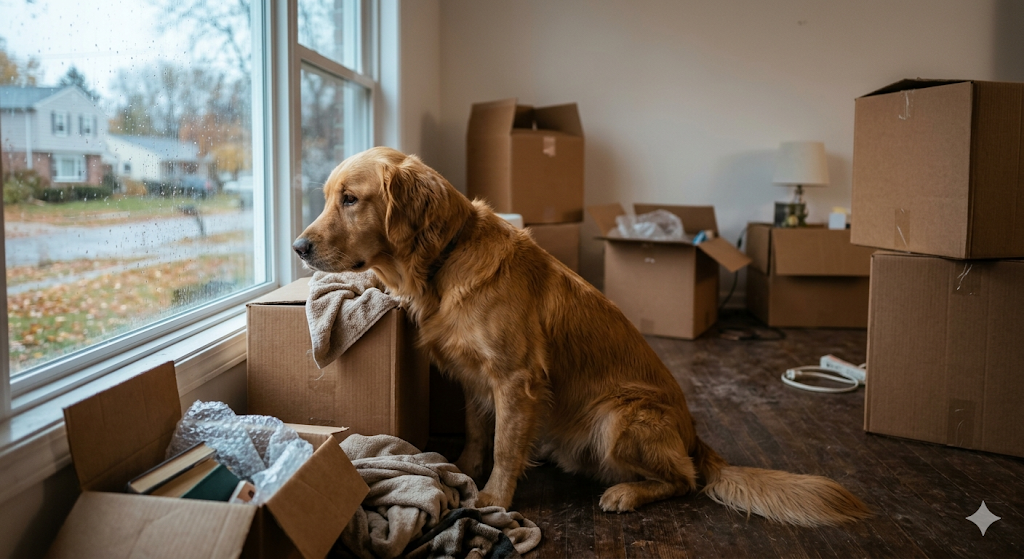
Dog depression after moving is a devastating reality that many pet parents completely underestimate. Moving to a new home is exciting for humans. However, it can be deeply traumatic for our furry companions. I remember when my own dog suddenly retreated to a dark corner after we relocated. Refusing favorite treats became a daily heartbreak. Therefore, understanding this emotional shift is absolutely crucial.
Thank you for reading this post, don't forget to subscribe!Understanding the Hidden Reality of Dog Depression After Moving
Furthermore, recognizing the underlying causes of this mental distress is the first step toward healing. Canine depression is a scientifically recognized psychological condition. Indeed, it manifests when a dog experiences profound emotional pain and loss of motivation. Consequently, abrupt environmental changes severely disrupt their essential sense of security.
Why Relocation Triggers Severe Canine Depression
Dogs thrive on established routines and deeply familiar territories. Thus, a sudden move completely shatters their predictable world. Prolonged periods of isolation during the stressful packing phase also contribute heavily. Moreover, the introduction of an entirely new physical environment forces them to recalibrate. Consequently, this sudden sensory overload often leads to a state of severe anxiety. Additionally, if existing family dynamics shift during the move, the dog feels isolated. Therefore, the culmination of these stressors directly triggers profound canine depression.
Identifying Environmental Stressors in a Depressed Dog Post-Move
Specifically, you must identify what exactly is causing the ongoing distress. Is the new house simply too noisy? Furthermore, a lack of mental or physical stimulation in the new space exacerbates everything. Active dogs suffer significantly when confined indoors without proper outdoor walks. As a result, this lack of engagement breeds deep psychological melancholy. Moreover, dogs are highly empathetic and emotionally sensitive creatures. Therefore, if you are stressed about the move, your dog absorbs that energy. Subsequently, your own personal moving anxiety can directly induce depression in your pet.
Critical Physical Signs of Dog Depression After Moving
Dog depression after moving often manifests through clear, undeniable physical symptoms. Consequently, you must closely observe their daily habits. Ignoring these red flags can lead to severe health decline.
Lethargy and Hiding: When a Depressed Dog Won’t Leave the Corner
My dog spent days hiding in a dark corner. Indeed, extreme lethargy is a primary indicator of distress. A depressed dog will sleep significantly longer than usual. Furthermore, they lose all interest in previously beloved toys. Daily walks might suddenly seem like a dreadful chore. Therefore, hiding is their coping mechanism for overwhelming anxiety.
Appetite Loss: Why Your Dog Won’t Eat After Relocating
Refusing food is a frightening sign of emotional distress. Specifically, a depressed dog won’t eat after relocating due to severe stress. Even high-value treats are often completely ignored. Consequently, prolonged appetite loss can quickly trigger physical illness. Moreover, you might notice sudden inappropriate urination or defecation indoors. Thus, dietary changes require your immediate, undivided attention.
Compulsive Licking and Howling in Relocation-Stressed Pets
Anxiety often manifests as destructive or obsessive physical behaviors. For instance, a depressed dog might engage in compulsive paw licking. Indeed, this is a desperate attempt to self-soothe their nervous system. Additionally, severe cases result in heartbreaking howling when left alone. Furthermore, you might hear unusual whining or notice unprovoked aggression. Ultimately, these vocalizations are profound cries for emotional help.
Quick Reference: Healthy vs. Depressed Behaviors
| Behavior Category | Healthy Dog Post-Move | Depressed Dog Post-Move |
| Activity Level | Explores new rooms eagerly. | Hides in dark corners consistently. |
| Appetite | Maintains normal eating habits. | Refuses regular food and treats. |
| Grooming Habits | Normal self-cleaning routines. | Compulsive paw licking or biting. |
| Vocalization | Barks normally at outside noises. | Heartbreaking howling or crying. |
Medical Assessment for Dog Depression After Moving
Dog depression after moving closely mimics severe physical illnesses. Therefore, a thorough medical assessment is absolutely mandatory. Specifically, veterinarians must evaluate recent environmental shifts comprehensively. Furthermore, basic blood tests help rule out underlying diseases. Consequently, fast medical action prevents stress from causing rapid physical deterioration.
Distinguishing Canine Depression Symptoms from Chronic Pain
Often, lethargy stems from undiagnosed chronic physical pain. For instance, severe joint pain causes dogs to hide away. Moreover, silent injuries or past trauma create extreme emotional withdrawal. Therefore, you must eliminate physical pain as the primary cause. Subsequently, a vet can confirm if the root is purely psychological. Indeed, behavioral symptoms and physical pain frequently overlap dangerously. Thus, professional evaluation protects your dog from unnecessary suffering.
Senior Dog Dementia (CDS) vs. Relocation Depression
Aging dogs require highly specialized diagnostic attention post-move. Specifically, dogs over eight years old face unique neurological risks. Consequently, Cognitive Dysfunction Syndrome (CDS), or canine dementia, is highly common. Furthermore, CDS perfectly mirrors signs of severe relocation anxiety. Pacing, confusion, and accidents indoors are prime examples. Thus, confusing dementia with depression is a significant medical risk. Ultimately, careful medical differentiation ensures proper and immediate behavioral treatment.
Healing Dog Depression After Moving Through Walk Therapy (A Real-world Case Study)
Dog depression after moving is a deeply personal battle. Indeed, I experienced this heartbreaking reality firsthand. Consequently, sharing this real-world case study might help heal your pet. Immediate action is necessary.
The Corner-Hiding Incident: My Own Dog’s Relocation Trauma
Initially, our recent move seemed perfectly fine. However, my normally joyful dog suddenly collapsed emotionally. Specifically, he retreated entirely to a dark, isolated corner. Furthermore, he refused his absolute favorite high-value treats. I was completely devastated by his sudden, severe withdrawal. Consequently, I realized the physical relocation had deeply traumatized him. The unfamiliar smells overwhelmed his delicate sensory system. Thus, I knew I needed an immediate, effective behavioral intervention.
Overcoming Canine Anxiety and Refused Treats with Routine Walks
Medication was not my first choice for immediate treatment. Therefore, I decided to utilize highly structured walk therapy. Initially, getting him outside was a massive daily struggle. However, regular outdoor exposure slowly stimulated his depressed mind. Furthermore, sniffing new scents dramatically reduced his high anxiety. Consequently, the physical activity exhausted his nervous, fearful energy. Endorphins released during exercise naturally elevated his dropping mood. Gradually, he started accepting treats and leaving his safe corner. Ultimately, consistent daily walks completely cured his deep depression.
Professional Treatments for Dog Depression After Moving
Professional interventions effectively combat dog depression after moving. Therefore, seeking expert behavioral guidance is highly recommended. Let’s explore the best therapeutic options available today.
Curing Relocation Anxiety with Enrichment and Behavioral Training
Boredom rapidly escalates into severe depression for isolated dogs. Consequently, adequate physical exercise is absolutely mandatory. Furthermore, you must provide stimulating nose-work activities daily. Therefore, mental enrichment keeps their anxious minds highly active. Additionally, interactive puzzle toys prevent destructive boredom effectively. Ultimately, positive reinforcement training slowly rebuilds their lost confidence securely.
When to Consider Anti-Anxiety Medications for a Depressed Dog
Behavioral training alone might not resolve extreme distress. Consequently, pharmaceutical intervention becomes necessary occasionally. Specifically, veterinarians often prescribe specialized anti-anxiety medications. Therefore, these targeted drugs successfully lower acute fear levels. Furthermore, medication acts as a supportive bridge for behavioral therapy. Thus, never hesitate to consult your trusted vet regarding prescriptions.
Grooming as Therapy: Using Familiar Brushes and Scents (e.g., Hyponic)
Professional grooming profoundly impacts emotional well-being. Consequently, familiar tactile sensations soothe frayed canine nerves immediately. Furthermore, utilizing premium hypoallergenic products like Hyponic prevents skin irritation. Thus, the gentle scent of familiar shampoos provides deep psychological comfort. Additionally, using quality tools like an iGroom brush stimulates relaxing blood flow. Ultimately, gentle grooming sessions safely reinforce your vital, loving bond.
Preventing Dog Depression After Moving in the Future
Preventing dog depression after moving requires careful future planning. Therefore, proactive strategies protect their fragile mental health. Consequently, you must prioritize their emotional stability always.
Proactive Care and Socialization for Canine Relocation Stress
Socialization is absolutely crucial for preventing emotional collapse. Furthermore, maintaining their regular schedule reduces relocation anxiety significantly. Therefore, introduce them to new environments very gradually. Additionally, arrange playdates with familiar dog friends if possible. Consequently, maintaining their social life prevents deep feelings of isolation. Ultimately, a busy, active dog rarely succumbs to severe depression.
Establishing Safe Spaces to Prevent Future Dog Depression
Creating a secure zone is a vital preventive measure. Specifically, set up their bed and toys immediately upon arrival. Furthermore, unwashed blankets carry deeply comforting, familiar scents. Thus, this safe space acts as an emotional anchor. Additionally, ensure this designated corner remains quiet and undisturbed. Ultimately, a predictable micro-environment successfully prevents future mental distress.
FAQ: Understanding Dog Relocation Anxiety
Q1: How long does dog depression after moving usually last? Typically, dog depression after moving lasts a few days to weeks. However, severe cases might persist for several months. Therefore, establishing consistent routines and daily walks accelerates their emotional recovery.
Q2: Should I force my depressed dog to eat after moving? No, you should never force a depressed dog to eat. Instead, offer high-value, highly aromatic wet food to tempt them naturally. Furthermore, consult a veterinarian immediately if the fasting exceeds 48 hours.
Q3: Can another pet help cure dog depression after moving? Sometimes, familiar pet companions provide essential comfort. However, introducing a completely new animal during a stressful move is dangerous. Consequently, prioritize stabilizing your current dog’s anxiety first before adopting another pet.
https://www.poocheshairstudio.com
Find more expert grooming tips at our [Poochestips Home]
Pooches Hair Studio Official Website: [poocheshairstudio]
"Healthy paws, happy dogs. Visit [Poochestips Home] for more comprehensive guides!"
Discover our top grooming product recommendations at [Pooches Choice]!
(As an Amazon Associate, I earn from qualifying purchases. This helps support our blog in providing valuable information for dog owners at no extra cost to you.)