
The Shocking Truth: Understanding Dog Coprophagia on Walks
1.1: My Personal Experience: The Urgency of How to Stop Dog From Eating Poop on Walks
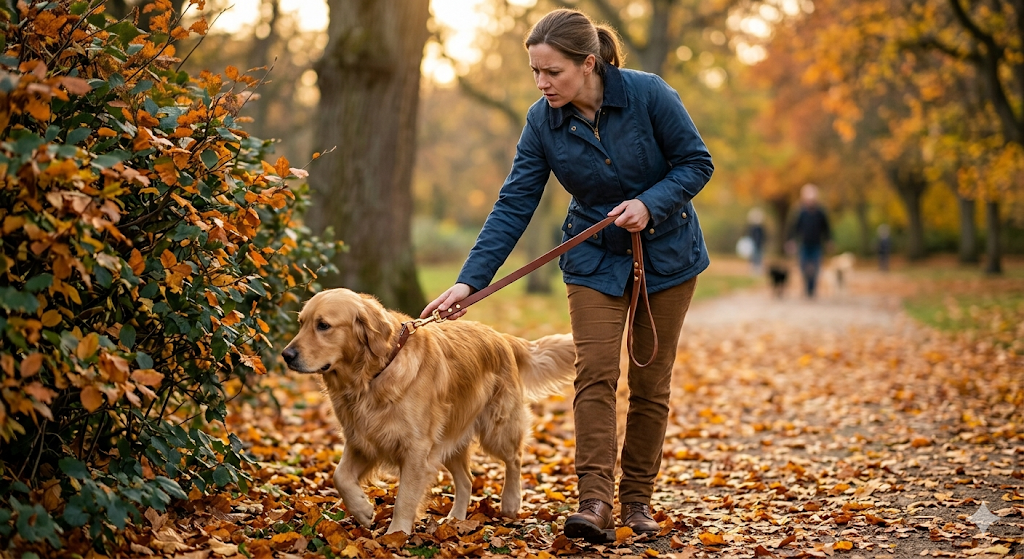
Discovering how to stop dog from eating poop on walks is a journey that often begins in sheer panic. I remember a brisk autumn morning perfectly. My beloved rescue dog and I were enjoying a peaceful stroll. Suddenly, he darted toward the bushes. Shockingly, he began gobbling down another dog’s abandoned stool. Consequently, my heart raced with immense panic and disgust. Furthermore, I felt entirely helpless watching this bizarre behavior unfold.
Thank you for reading this post, don't forget to subscribe!1.2: Why Do Dogs Eat Other Dogs Poop Outdoors?
Therefore, I immediately began researching this distressing canine stool eating habit. Scientifically, this condition is formally known as coprophagia. Specifically, intraspecific coprophagia refers to consuming another dog’s feces. Interestingly, dogs interact with the world through their highly developed olfactory senses. Consequently, heavily scented waste might genuinely smell like partially digested nutrients to them. Moreover, modern veterinary science suggests this instinct stems from their scavenging ancestors. Thus, they naturally clean their den areas or seek out undigested materials.
1.3: Is This Canine Stool Eating Habit Dangerous to Their Health?
Naturally, my primary concern shifted toward his immediate physical well-being. Ultimately, eating their own feces might not cause severe immediate harm. However, consuming stray waste outdoors poses significant medical risks. For instance, stray feces often harbor dangerous intestinal parasites or harmful bacteria. Additionally, infectious diseases like parvovirus can easily spread through contaminated feces. Subsequently, I realized that finding a lasting solution was absolutely critical. Therefore, understanding the root causes is the first essential step for any pet parent.
2: Medical Reasons Your Dog Eats Poop on Walks
2.1: Intestinal Parasites and Coprophagia in Dogs
Understanding how to stop dog from eating poop on walks requires investigating underlying medical conditions first. Specifically, intestinal parasites are an extremely common and hidden culprit. Firstly, these microscopic invaders aggressively steal essential nutrients from your dog’s gut. Consequently, your furry friend experiences a severe drop in nutrient absorption rates. Therefore, the dog desperately attempts to recover these lost vital nutrients. Ultimately, they might consume nutrient-rich, undigested materials found in feces outdoors. Thus, regular deworming is absolutely crucial for overall pet health.
2.2: Exocrine Pancreatic Insufficiency (EPI) Causing Canine Stool Eating
Furthermore, Exocrine Pancreatic Insufficiency (EPI) is another serious medical condition to consider. Scientifically, this means the pancreas completely fails to produce adequate digestive enzymes. As a result, the dog’s body simply cannot break down food properly. Consequently, essential vitamins and proteins pass directly into their stool undigested. Therefore, the dog eats the feces because it smells like actual food. Interestingly, adult dogs suddenly developing coprophagia often suffer from such malabsorption issues. Consequently, a thorough veterinary checkup is undeniably necessary.
2.3: Dietary Malnutrition that Triggers Dog Coprophagia
Additionally, severe dietary malnutrition or specific mineral deficiencies frequently trigger this behavior. Moreover, certain systemic diseases drastically alter your dog’s natural appetite levels. For instance, diabetes, Cushing’s disease, and thyroid imbalances create intense, unnatural hunger. Similarly, dogs undergoing prolonged steroid treatments often experience significantly increased appetites. Consequently, this ravenous hunger drives them to scavenge uncontrollably during walks. Therefore, feeding a premium, highly digestible diet is absolutely paramount. Ultimately, ruling out these medical factors is the foundational step for recovery.
Medical Causes Quick Reference Table
To quickly summarize, here is a breakdown of the primary medical causes and actionable steps:
| Medical Cause | Primary Mechanism Behind Coprophagia | Recommended Action to Take |
| Intestinal Parasites | Steal vital nutrients directly from the gut. | Administer vet-approved deworming medication. |
| EPI (Enzyme Deficiency) | Pancreas fails to digest food efficiently. | Supplement with specific digestive enzymes. |
| Systemic Diseases | Conditions like diabetes cause intense hunger. | Schedule comprehensive veterinary blood tests. |
3: Behavioral Causes Behind the Poop Eating Habit on Walks
3.1: Imitation and Coprophagia Learned From Other Dogs
Understanding how to stop dog from eating poop on walks requires analyzing complex behavioral triggers. Interestingly, puppies often learn this habit through pure imitation. For instance, mother dogs naturally consume feces to maintain a clean den. Consequently, observant puppies might mimic this behavior during critical development stages. Furthermore, they might observe other dogs engaging in coprophagia outdoors. Therefore, this learned behavior quickly transforms into an ingrained habit. Ultimately, breaking this cycle requires consistent, immediate intervention every time.
3.2: Separation Anxiety and Stress Leading to Stool Eating
Additionally, profound psychological stress plays a massive role in unwanted canine behaviors. Specifically, severe separation anxiety frequently triggers destructive coping mechanisms. When dogs are left alone extensively, they experience overwhelming boredom. Consequently, they might resort to eating feces to alleviate emotional distress. Moreover, dogs confined in tight spaces often develop this unfortunate habit. Therefore, creating a stimulating and secure environment at home is essential. Subsequently, reducing overall stress effectively minimizes these bizarre scavenging behaviors.
3.3: Attention-Seeking Feces Eating Behaviors During Outings
Furthermore, some dogs realize that eating feces guarantees an immediate human reaction. Predictably, when your dog grabs a stool, you likely shout or run. Consequently, even negative attention is perceived as a highly rewarding game. Therefore, the dog continues this behavior simply to interact with you. Interestingly, punishing the dog often reinforces this specific attention-seeking cycle. Ultimately, ignoring the act while immediately redirecting their focus proves highly successful. Thus, mastering positive reinforcement training becomes your most valuable tool.
4: Training Tactics: How to Stop Dog From Eating Poop on Walks
4.1: Mastering the “Leave It” Command to Prevent Stool Eating
Mastering how to stop dog from eating poop on walks heavily relies on basic obedience training. First, the “leave it” command is your most powerful preventive tool. Consequently, you must practice this command indoors initially with low-value items. Gradually, increase the difficulty by using highly tempting treats outside. Therefore, when your dog spots feces, you can confidently issue the command. Ultimately, immediate compliance prevents the dog from making direct contact. Furthermore, consistency is absolutely crucial for this specific behavioral modification.
4.2: Effective Leash Control for a Coprophagia-Free Walk
Additionally, proper leash management prevents unexpected scavenging during your daily outings. Specifically, utilizing a shorter leash offers significantly better control over movements. Consequently, you can swiftly steer your dog away from hazardous areas. Moreover, always scan the environment ahead for potential canine waste. Therefore, proactive vigilance completely eliminates the opportunity for unwanted snacking. Furthermore, a gentle harness prevents sudden jerks while maintaining essential physical control. Ultimately, safe navigation is a vital component of successful management.
4.3: Using High-Value Treats to Redirect Your Dog From Eating Poop
Furthermore, positive reinforcement remains incredibly effective for redirecting attention quickly. Interestingly, carrying high-value treats can easily outcompete the allure of feces. For instance, tiny pieces of boiled chicken or strong-smelling cheese work wonderfully. Consequently, the moment your dog notices a stool, immediately offer a treat. Therefore, your dog learns that looking at you yields a far superior reward. Ultimately, this creates a deeply ingrained, positive alternative behavior over time. Thus, the desire to scavenge is slowly replaced by anticipation for treats.
5: Health & Grooming Solutions to Stop Dog Coprophagia
5.1: Premium Diets and Enzyme Supplements to Halt Stool Eating
Figuring out how to stop dog from eating poop on walks often requires upgrading their daily nutritional intake. Firstly, switching to a premium, high-protein diet significantly improves overall digestion. Consequently, fewer undigested nutrients pass directly into the stool. Furthermore, adding specialized digestive enzyme supplements to their meals helps immensely. Therefore, these added enzymes efficiently break down complex proteins and fats. Ultimately, this ensures their body absorbs every vital nutrient completely. Thus, the biological urge to scavenge outdoors is drastically reduced.
5.2: Taste Deterrents to Stop Dogs Eating Poop on Walks
Additionally, employing specific taste deterrents offers a practical, immediate solution. Specifically, these commercial sprays make the feces taste incredibly bitter. Consequently, the dog quickly associates stool eating with an awful flavor experience. Furthermore, some pet owners add harmless food additives to their dog’s meals. Therefore, the resulting feces becomes completely unpalatable once safely excreted. However, this method only works if they eat their own waste. Ultimately, deterrents serve as a helpful supplementary tool alongside proper training.
5.3: Post-Walk Hygiene Using iGroom and Hyponic Products After Coprophagia Incidents
Moreover, maintaining impeccable hygiene after a coprophagia incident is absolutely critical. Naturally, dangerous bacteria from feces linger on the muzzle and facial hair. Consequently, using premium grooming products ensures thorough, safe sanitation for everyone. For instance, washing the muzzle with a gentle Hyponic hypoallergenic shampoo removes foul odors. Furthermore, applying an iGroom facial cleanser neutralizes harmful bacteria effectively. Therefore, these professional-grade grooming products protect your dog and your family. Ultimately, consistent hygiene routines prevent secondary infections following an unfortunate scavenging event.
6: Coprophagia FAQ and Real-World Success to Stop Stool Eating
6.1: Case Study: Overcoming Dog Coprophagia During Daily Walks
Learning how to stop dog from eating poop on walks takes genuine patience and consistency. Recently, a client named Sarah faced this exact terrifying scenario daily. Consequently, her golden retriever constantly scavenged for stray waste outdoors. Therefore, we implemented a strict leash control and positive reinforcement strategy. Furthermore, Sarah introduced a high-quality digestive enzyme into his morning meals. Ultimately, within three weeks, the obsessive stool eating behavior completely vanished. Thus, this real-world success proves that dedicated behavioral modification truly works.
6.2: FAQ on How to Stop Dog From Eating Poop on Walks
Q: Will my dog get sick from eating other dogs’ poop? A: Yes, consuming stray feces exposes them to dangerous intestinal parasites. Consequently, they might contract harmful bacteria or serious viral infections. Therefore, immediate veterinary consultation is always highly recommended.
Q: What is the best command to stop this scavenging behavior? A: Furthermore, mastering the “leave it” command is undeniably the most effective. Therefore, consistent practice heavily deters unwanted scavenging during your outdoor adventures. Ultimately, immediate redirection saves your dog from hazardous materials.
Q: Can a change in diet really stop dog coprophagia? A: Absolutely, because premium diets significantly improve nutrient absorption rates naturally. Consequently, feeding highly digestible food prevents essential nutrients from passing through. Ultimately, reducing undigested proteins directly decreases their desire to eat stool.
https://www.poocheshairstudio.com
Find more expert grooming tips at our [Poochestips Home]
Pooches Hair Studio Official Website: [poocheshairstudio]
"Healthy paws, happy dogs. Visit [Poochestips Home] for more comprehensive guides!"
Discover our top grooming product recommendations at [Pooches Choice]!
(As an Amazon Associate, I earn from qualifying purchases. This helps support our blog in providing valuable information for dog owners at no extra cost to you.)