
The Hidden Danger: Recognizing Dog Yellow Eyes and Gums
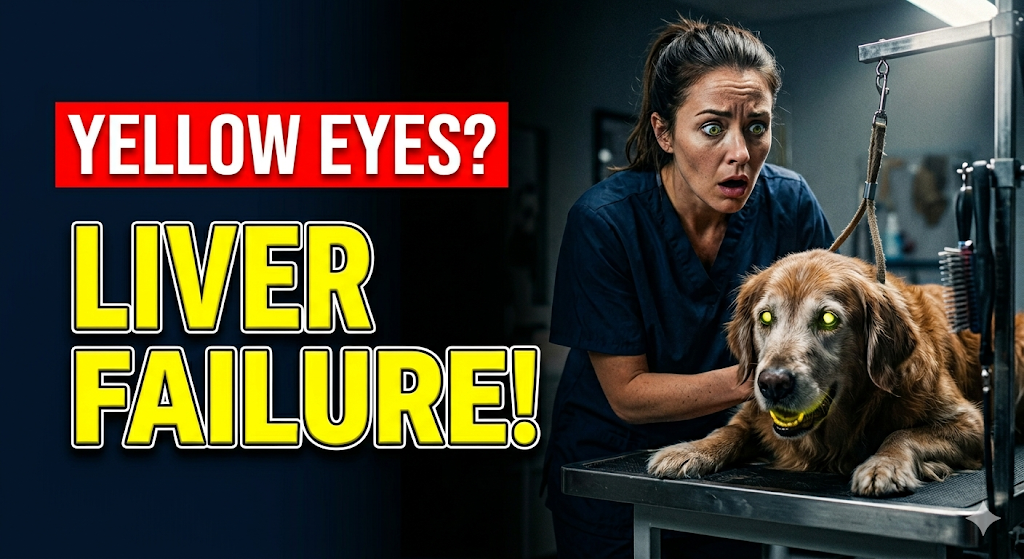
My Frightening Discovery at the Grooming Table
Noticing dog yellow eyes and gums during a routine appointment changes everything immediately. Recently, a sweet senior dog visited my grooming salon. Initially, the grooming session seemed completely ordinary. However, I noticed something truly alarming while gently washing his face. His eye whites and delicate gums appeared startlingly yellow. Consequently, my heart sank knowing this indicated a severe medical emergency. I stopped the grooming process completely without any hesitation. Therefore, I immediately advised the deeply concerned owner to visit an emergency veterinarian. Ultimately, this frightening discovery at my grooming table likely saved his fragile life.
Thank you for reading this post, don't forget to subscribe!Normal Aging vs. Abnormal Discoloration
Many owners unfortunately confuse severe medical symptoms with normal aging processes. Older dogs naturally develop cloudy eyes or slightly pale gums over time. However, distinct yellow discoloration represents a completely different pathological issue entirely. Medically, this terrifying condition is known as clinical jaundice or icterus. Jaundice occurs when dangerous levels of bilirubin accumulate rapidly in the bloodstream. Consequently, this excess yellow pigment deposits heavily into the skin and mucous membranes. Therefore, vibrant yellowing never simply signifies normal canine aging under any circumstances. Furthermore, missing this critical distinction proves fatal if left untreated for mere days.
Why Severe Canine Jaundice Demands Immediate Emergency Vet Care
Experiencing dog yellow eyes and gums requires immediate professional medical intervention. This prominent symptom serves as a massive alarm bell for internal organ failure. Specifically, it points directly toward severe liver dysfunction or acute gallbladder inflammation. Delaying emergency veterinary care allows internal toxic substances to multiply rapidly. Furthermore, progressive liver damage quickly becomes completely irreversible without prompt medical treatment. Therefore, recognizing these vivid yellow warning signs mandates urgent medical action instantly. As a professional groomer, I constantly advocate for proactive, rapid health assessments. Ultimately, every single minute counts when facing acute internal digestive system failures.
Decoding the Root Causes of Dog Yellow Eyes and Gums
The Threat of Canine Cholecystitis
Understanding dog yellow eyes and gums requires exploring deep internal medical causes immediately. One primary culprit is severe canine cholecystitis. Essentially, this condition involves intense inflammation of the gallbladder. Furthermore, the gallbladder stores vital bile produced directly by the liver. When inflammation strikes, normal bile flow stops completely. Consequently, bile backs up dangerously into the surrounding liver tissue. Therefore, excess bilirubin leaks rapidly into the canine bloodstream. During grooming, I constantly check for unexpected abdominal tenderness. Often, dogs with cholecystitis flinch when their upper right abdomen is touched. Ultimately, this severe inflammation requires rapid veterinary intervention to prevent organ rupture.
Severe Liver Failure and Dangerous Bile Duct Obstructions
Another critical underlying cause involves profound liver failure. The liver processes numerous bodily toxins efficiently every single day. However, advanced aging or disease compromises this vital function significantly. Furthermore, dangerous bile duct obstructions frequently cause similar terrifying symptoms. If a tumor blocks the duct, bile cannot reach the intestines. Consequently, the trapped bile causes intense internal swelling very rapidly. Therefore, the resulting jaundice becomes incredibly visually obvious. I witnessed this rapid yellowing firsthand during that stressful grooming session. Consequently, I immediately recognized the absolute severity of the situation. Ultimately, relieving this internal obstruction saves the dog’s fragile life completely.
Bacterial Infections and Liver Trauma in Senior Dogs
Severe bacterial infections frequently trigger catastrophic liver and gallbladder issues. Sometimes, harmful bacteria migrate directly from the intestines upward. Furthermore, unexpected physical trauma can severely damage these delicate internal organs. For instance, a sudden accidental fall can cause microscopic liver tearing. Consequently, this hidden internal trauma disrupts normal bile processing completely. As a professional groomer, I handle senior dogs with extreme, deliberate care. Therefore, I strictly prevent accidental slips using specialized non-slip grooming mats. Additionally, severe infections rapidly induce a terrifying systemic shock response. Ultimately, identifying the exact root cause dictates the specific veterinary treatment required.
Companion Symptoms Accompanying Dog Yellow Eyes and Gums
Severe Lethargy and Unexplained Sudden Weight Loss
Recognizing dog yellow eyes and gums usually involves observing other severe companion symptoms simultaneously. Consequently, extreme lethargy frequently acts as the first noticeable physical red flag. Healthy senior dogs naturally sleep more, but pathological lethargy appears entirely different. Furthermore, dogs suffering from liver failure often refuse to move entirely. During my grooming career, I notice dramatic energy drops in sick dogs instantly. Additionally, unexplained sudden weight loss strongly indicates severe internal metabolic dysfunction. Because the compromised liver cannot process nutrients, the body literally begins starving rapidly. Therefore, tracking your senior dog’s weight weekly becomes an absolute necessity. Ultimately, rapid muscle wasting alongside jaundice demands an immediate veterinary emergency visit.
Vomiting, Severe Abdominal Pain, and Complete Loss of Appetite
Digestive system collapse frequently accompanies severe gallbladder inflammation very closely. Therefore, persistent vomiting remains a critical warning sign you cannot ignore. Unlike a normal upset stomach, this vomiting usually contains yellow bile directly. Furthermore, dogs experiencing cholecystitis suffer from excruciating, unbearable abdominal pain. Consequently, they often adopt a hunched posture to protect their highly sensitive organs. When I gently touched that yellow-eyed dog, he flinched away in severe agony immediately. Additionally, a complete loss of appetite always accompanies these painful internal conditions. Dogs simply will not eat when their liver and gallbladder are severely inflamed. Thus, prolonged fasting accelerates their physical decline and overall weakness exponentially.
The Hidden Danger of Fever and Potential Shock Scenarios
Internal bacterial infections frequently trigger dangerous, rapidly spiking physiological fevers. Consequently, a high body temperature indicates the immune system is fighting a massive infection. Furthermore, severe cholecystitis can eventually cause the inflamed gallbladder to rupture completely. If a rupture occurs, highly toxic bile spills directly into the entire abdominal cavity. Therefore, this catastrophic event induces a terrifying, life-threatening systemic shock scenario immediately. Dogs in shock exhibit extremely pale gums, rapid breathing, and sudden physical collapse. Ultimately, this represents an absolute, undeniable medical emergency requiring instant surgical intervention. As dedicated pet professionals and owners, we must recognize these cascading symptoms instantly.
Comparing Mild Digestive Issues vs. Severe Liver Emergencies
To clarify these vital medical distinctions, consider this quick reference guide. Consequently, you can evaluate your companion’s physical condition much more objectively.
| Symptom Category | Mild Stomach Upset | Severe Liver/Gallbladder Emergency |
| Eye & Gum Color | Normal pink gums and clear white eyes | Dog yellow eyes and gums (Clinical Jaundice) |
| Appetite | Skips one meal but drinks water normally | Complete loss of appetite lasting over 24 hours |
| Abdominal Feel | Soft, relaxed stomach without severe pain | Hunched posture, extremely rigid abdomen, and flinching |
| Energy Levels | Slightly tired but still highly responsive | Severe lethargy, unable to stand, or sudden collapse |
Crucial Diagnostics for Dog Yellow Eyes and Gums
Immediate Physical Exams and Palpating the Abdomen
Evaluating dog yellow eyes and gums requires immediate professional veterinary diagnostics. During my grooming sessions, I constantly observe external physical changes. However, I cannot replace a thorough veterinary physical examination completely. Veterinarians carefully palpate the canine abdomen during these urgent clinical visits. Consequently, they check for an enlarged gallbladder or severe liver swelling. Furthermore, this initial physical assessment provides vital diagnostic clues immediately. Therefore, prompt professional evaluation prevents a localized issue from becoming systemic. Ultimately, establishing a clear medical baseline ensures the correct treatment pathway.
Utilizing Blood Tests to Evaluate Liver Enzymes and Bilirubin
Physical examinations alone cannot confirm the exact internal pathological cause. Therefore, comprehensive blood tests remain an absolutely mandatory diagnostic step. These specialized panels measure critical liver enzymes and circulating bilirubin levels. Furthermore, elevated bilirubin directly confirms the clinical jaundice you visually observed. Consequently, these blood results reveal the specific extent of internal organ damage. Additionally, veterinarians utilize specific bile acid tests to evaluate total liver function. Thus, understanding the internal chemical balance dictates the entire medical approach. Ultimately, accurate blood work prevents dangerous misdiagnoses in critical emergency situations.
The Crucial Role of Radiographs and Ultrasounds in Gallbladder Disease
Blood work identifies systemic issues but cannot visualize structural abnormalities directly. Consequently, advanced diagnostic imaging becomes absolutely essential for a complete diagnosis. Traditional radiographs, or X-rays, reveal obvious abdominal masses or severe fluid accumulation. However, X-rays cannot evaluate delicate gallbladder structures or bile ducts effectively. Therefore, veterinary ultrasounds provide incredibly precise, real-time, three-dimensional internal views. Ultrasounds easily expose hidden gallbladder mucoceles or dangerous bile duct obstructions. Furthermore, seeing the exact physical blockage helps owners understand the immediate danger. Ultimately, combining these advanced imaging techniques provides an undeniable, comprehensive medical picture.
Proven Treatments for Dogs with Yellow Eyes and Gums
IV Fluids and Broad-Spectrum Antibiotics for Serious Infection
Addressing dog yellow eyes and gums requires exploring proven veterinary treatment options immediately. Consequently, veterinarians almost always begin with aggressive intravenous fluid therapy. These essential fluids restore hydration and flush severe toxins from the body rapidly. Furthermore, they correct dangerous electrolyte imbalances caused by prolonged vomiting completely. Additionally, veterinarians prescribe powerful, broad-spectrum antibiotics to combat severe bacterial infections effectively. I frequently observe dogs recovering on these specific medications after their crises. Therefore, strict adherence to the prescribed antibiotic schedule remains absolutely critical. Ultimately, stabilizing the internal organ environment provides the necessary foundation for further treatments.
Administering Vitamin K1 and Strict Low-Fat Dietary Management
Severe liver dysfunction directly impairs the canine body’s natural blood clotting mechanisms significantly. Consequently, dogs experiencing clinical jaundice frequently require immediate intravenous Vitamin K1 injections. This crucial vitamin restores normal clotting ability before any potential surgical interventions. Furthermore, managing gallbladder disease requires incredibly strict low-fat dietary management moving forward forever. Because the inflamed gallbladder struggles processing fats, high-fat meals trigger agonizing pain instantly. Therefore, veterinarians prescribe highly digestible, specialized low-fat diets for these sensitive patients. As a groomer, I constantly advise owners to avoid feeding fatty human scraps entirely. Ultimately, strict dietary discipline prevents dangerous future flare-ups completely.
Surgical Gallbladder Removal Options for Severe Cholecystitis
Sometimes, aggressive medical management simply cannot resolve the severe internal gallbladder inflammation. Consequently, veterinarians must consider complete surgical gallbladder removal, known medically as a cholecystectomy. This complex surgery physically removes the diseased, inflamed organ to prevent fatal ruptures. Fortunately, dogs can live incredibly full, healthy lives without a functioning gallbladder entirely. However, this major abdominal surgery requires an experienced veterinary team and intense care. Therefore, early detection of initial jaundice symptoms prevents emergency, high-risk surgical procedures. I always remind my Edmond clients that proactive health monitoring is their best defense. Ultimately, expert surgical intervention provides a definitive, life-saving cure for severe canine cholecystitis.
Preventative Care to Avoid Dog Yellow Eyes and Gums
Strict Weight Management and Long-Term Low-Fat Diet Control
Preventing dog yellow eyes and gums requires proactive, dedicated preventative care strategies daily. Consequently, strict weight management becomes the absolute first line of defense. Overweight dogs experience significantly higher risks for dangerous gallbladder diseases overall. Furthermore, excessive body fat directly strains the delicate liver and bile processing systems. Therefore, implementing a strict, long-term, low-fat diet remains completely non-negotiable. As a professional groomer, I constantly evaluate body condition scores during grooming sessions. Consequently, I immediately alert owners if their companions feel unusually heavy. Ultimately, maintaining a remarkably lean body mass prevents severe internal metabolic crises completely.
The Importance of Routine Blood Work for Senior Dogs
Routine veterinary care prevents catastrophic medical emergencies incredibly effectively over time. Therefore, scheduling comprehensive biannual blood work for senior dogs is absolutely crucial. These specialized tests identify hidden liver enzyme elevations long before clinical jaundice appears. Consequently, early detection allows for swift, highly effective medical interventions immediately. Furthermore, consistent medical monitoring tracks the effectiveness of any prescribed dietary changes perfectly. I constantly remind my Edmond clients about the immense value of preventative diagnostics. Thus, investing in routine blood work saves significant money and heartbreaking stress eventually. Ultimately, proactive medical screening extends your beloved companion’s healthy lifespan remarkably.
How Groomers and Owners Can Detect Early Warning Signs
Detecting early warning signs requires intense, collaborative vigilance continuously from everyone involved. Owners must monitor their dog’s daily appetite, energy levels, and bathroom habits meticulously. Furthermore, professional groomers serve as a critical second set of highly trained eyes. During appointments, I carefully inspect the gums and eyes for any subtle yellowing. Consequently, this collaborative approach catches physical changes before they become fatal emergencies. Therefore, maintaining open communication with your groomer and veterinarian is incredibly vital. Utilizing premium grooming products, like Hyponic, ensures we examine healthy skin accurately. Ultimately, our shared dedication protects these incredibly precious senior dogs perfectly.
Snippet-Targeted FAQ
Q: What should I do immediately if I notice dog yellow eyes and gums? A: You must contact an emergency veterinarian immediately without any hesitation whatsoever. Furthermore, completely restrict their physical activity and withhold all food until professionally evaluated.
Q: Can a dog survive severe gallbladder inflammation or acute cholecystitis? A: Yes, dogs can survive if they receive prompt, aggressive medical or surgical treatment. Consequently, early detection and strict low-fat dietary management greatly improve long-term survival rates.
Q: Why does my senior dog’s vomit look bright yellow? A: Bright yellow vomit usually indicates the direct presence of bile from the gallbladder. Therefore, persistent yellow vomiting strongly suggests severe liver or gallbladder dysfunction requiring immediate care.
https://www.poocheshairstudio.com
Find more expert grooming tips at our [Poochestips Home]
Pooches Hair Studio Official Website: [poocheshairstudio]
"Healthy paws, happy dogs. Visit [Poochestips Home] for more comprehensive guides!"
Discover our top grooming product recommendations at [Pooches Choice]!
(As an Amazon Associate, I earn from qualifying purchases. This helps support our blog in providing valuable information for dog owners at no extra cost to you.)