
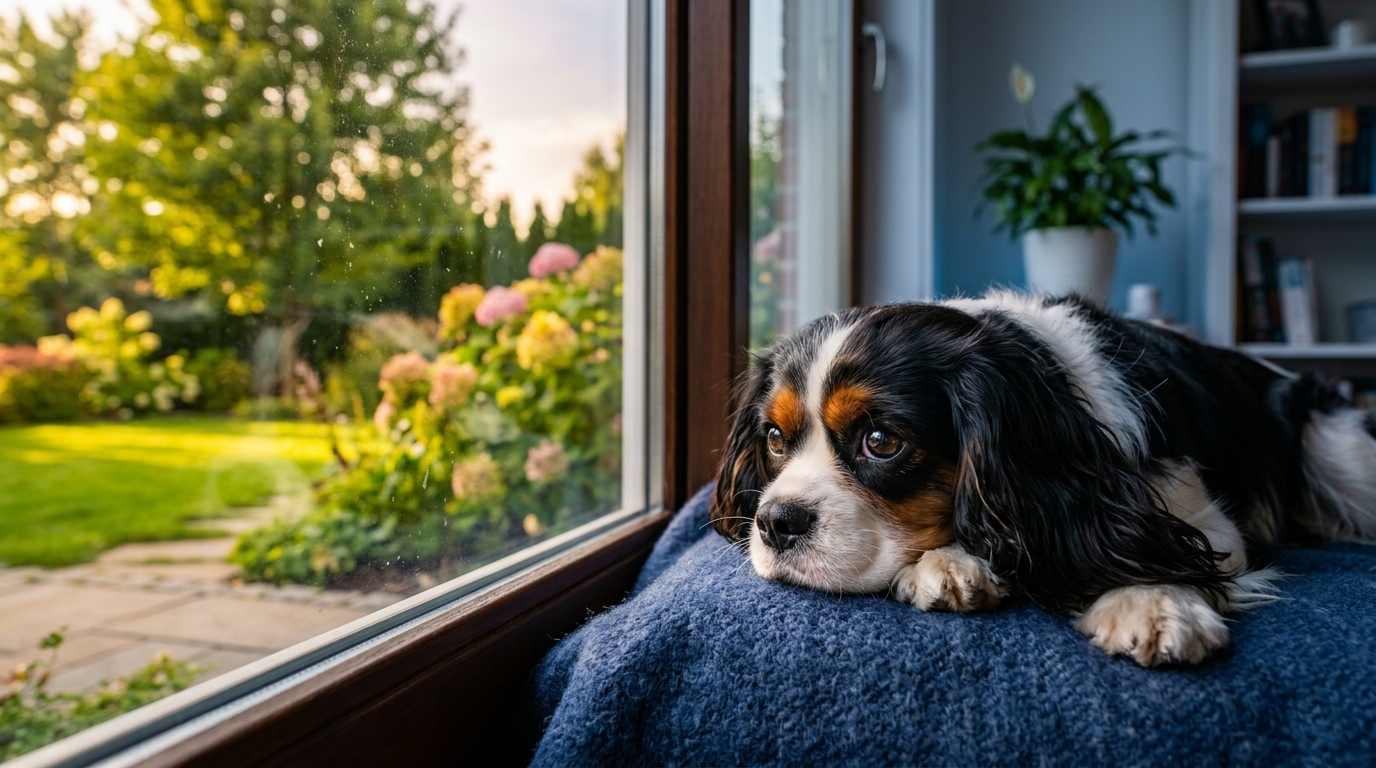
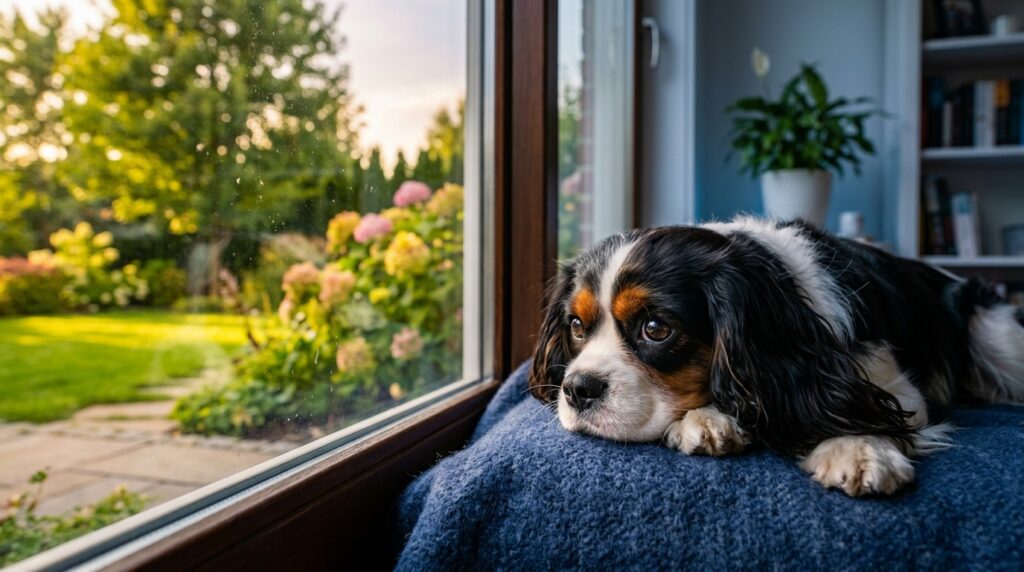
Cavalier King Charles Spaniel heat stroke is a terrifying reality that every owner of this affectionate, silky-coated breed must understand before the summer season peaks. Three summers ago, my own beloved black and white Cavalier King Charles Spaniel—a gentle soul who followed me everywhere and filled my home with boundless warmth—met a tragic end because of a sudden, blistering heatwave and a simple outdoor oversight. It is a memory that still haunts me, reminding me daily of how fragile our canine companions truly are when exposed to extreme environmental temperatures. For brachycephalic and companion breeds, a few minutes trapped outside under the scorching sun can transform from a minor mishap into a fatal emergency. In this comprehensive guide, we explore why hot weather poses an immediate, life-threatening danger to Cavalier King Charles Spaniels, how to recognize the invisible hazards in your own backyard, and how proper environmental management can save your dog’s life.
Thank you for reading this post, don't forget to subscribe!Understanding Cavalier King Charles Spaniel Heat Stroke Risks in Summer
Cavalier King Charles Spaniel heat stroke is uniquely dangerous due to the physiological makeup of the breed. While they are not classified as extreme brachycephalic breeds like Pugs or English Bulldogs, Cavaliers still possess shortened muzzles and delicate respiratory tracts that compromise their ability to cool themselves efficiently. Unlike humans, dogs cannot sweat through their skin; instead, they rely almost entirely on panting and minimal sweating through their paw pads to regulate core body temperature. When ambient temperatures soar, this natural cooling mechanism quickly becomes overwhelmed. According to veterinary studies published by the American Veterinary Medical Association (AVMA), environmental hyperthermia can cause multi-organ dysfunction within minutes if a dog’s internal temperature exceeds 104°F (40°C). Furthermore, Cavaliers are notoriously prone to mitral valve disease (MVD) and other cardiac conditions as they age. A compromised cardiovascular system cannot pump blood effectively to the skin and lungs to dissipate heat, making heat stroke exponentially more lethal for them than for other medium-sized breeds.
Why Brachycephalic Anatomy Impairs Canine Cooling
The anatomical structure of a Cavalier’s skull creates a narrow upper airway. When a dog pants heavily in hot weather, soft tissues in the throat can swell, creating an obstructed airway that increases respiratory effort. This increased effort generates more internal body heat, creating a vicious cycle of rising core temperatures. Recognizing this physiological bottleneck is crucial for any pet parent living in regions with intense summer climates.
The Hidden Dangers of Leaving Dogs Unattended in Yards
Many owners assume their dogs are safe spending time in a securely fenced backyard. However, yards can quickly turn into thermal traps. Shaded areas shift throughout the day, synthetic turf or concrete absorbs and radiates immense heat, and sudden changes in household access can cut off a dog’s escape route. Relying on outdoor time without constant supervision is one of the leading causes of preventable canine heat stroke fatalities.
Critical Environmental Factors Beyond Severe Canine Hyperthermia
Environmental management is the absolute line of defense against Cavalier King Charles Spaniel heat stroke. On a day when the outdoor temperature reads 85°F (29°C), the internal temperature inside a closed patio, sunroom, or unshaded yard can skyrocket past 110°F (43°C) in less than 20 minutes. Dogs left to roam outside during peak afternoon hours face a barrage of environmental stress factors that defy their natural thermal tolerance. When you factor in humidity, which prevents moisture from evaporating off the dog’s tongue during panting, the effective heat index becomes even more oppressive. For more insights on pet safety and product choices, you can explore resources like Pooches Choice.
How Ambient Temperatures Escalate Rapidly Outdoors
Direct solar radiation combined with stagnant air creates a microclimate of extreme heat near the ground where dogs sit and walk. Asphalt and stone surfaces can reach temperatures up to 50 degrees higher than the air, burning paw pads and radiating heat directly upward into the dog’s chest and face. This thermal assault overwhelms the regulatory centers in the canine brain almost instantaneously.
The Fatal Hazard of Locked Dog Doors and Restricted Access
One of the most agonizing tragedies occurs when a dog goes outside through a pet door or gets let out into a yard, only to find the return path blocked by a closed storm door, a dropped latch, or a locked interior door. Dogs naturally seek shelter when they feel distressed by heat, but a physical barrier strips them of their autonomy. Trapped outside with no shade, no water, and no way back into the air-conditioned sanctuary of the home, a healthy dog can succumb to heatstroke in a shockingly short window of time.
Early Warning Signs of Heat Stroke Every Pet Owner Must Know
Recognizing the precursor symptoms of Cavalier King Charles Spaniel heat stroke can mean the difference between a full recovery and an irreversible tragedy. Hyperthermia does not happen all at once; it progresses through distinct stages of physical and behavioral distress. Pet owners must remain vigilant, especially during summer months or unexpected heatwaves, monitoring their pets for subtle changes long before collapse occurs. Research from leading animal welfare organizations, such as the RSPCA UK Pet Care Guidelines, emphasizes that early intervention is critical for survival.
Behavioral Indicators and Excessive Panting
The earliest sign of overheating is frantic, heavy panting accompanied by restlessness, pacing, or an inability to settle down. If your Cavalier is seeking out cool tile floors, digging in the dirt to find cooler soil, or producing thick, sticky saliva rather than thin, watery drool, their body is struggling to cope with thermal stress. Vocalization, whining, or lethargy can also indicate that body temperature is rising to dangerous levels.
Physical Symptoms Affecting Mucous Membranes and Balance
As hyperthermia worsens, physical signs become much more alarming. Gums and tongue may turn bright red, pale, or even bluish due to oxygen deprivation. The dog may exhibit staggering, weakness in the hind legs, vomiting, bloody diarrhea, or sudden collapse. At this advanced stage, immediate veterinary intervention involving intravenous fluids and controlled cooling is mandatory to prevent organ failure.
Real-World Case Study: The Tragic Lesson of Outdoor Exposure
Looking back at the loss of my black and white Cavalier King Charles Spaniel three summers ago, the pain of that afternoon remains vivid. He was a creature of pure affection, deeply bonded to me, with a coat that featured striking patches of midnight black and snow white. On that particular day, the temperature climbed well past historical averages, creating an oppressive atmosphere outside. He had slipped out through the back door into the yard to investigate a sound, but when he tried to return, the secondary security door was accidentally latched shut from the inside. Engulfed by the glaring afternoon sun and trapped without immediate rescue, he succumbed to the overwhelming heat before I realized he was locked out. It was a devastating, heartbreaking failure of environmental management that taught me an unforgiving lesson: routine oversight is never enough when extreme weather is involved. For professional grooming insights and safety standards, visit Pooches Hair Studio.
A Personal Loss Involving a Beloved Black and White Cavalier
Losing a pet under such preventable circumstances leaves an enduring emotional scar, turning grief into a lifelong advocacy for pet safety. My sweet companion trusted me completely to keep him safe, and that trust was broken by a moment of inattention. Sharing this painful memory is my way of honoring his gentle spirit and ensuring that other owners never have to experience the heartbreak of losing a furry family member to summer heat.
Analyzing Where Environmental Management Failed
A post-incident review of that day revealed multiple points of failure: a lack of double-checked locks, the absence of an automated temperature alert system in the yard, and an overestimation of how long a brachycephalic dog can tolerate direct sunlight. By dissecting these errors, we establish strict protocols to protect other pets from the same fate.
Essential Summer Yard Safety and Prevention Protocols
Preventing Cavalier King Charles Spaniel heat stroke requires a proactive, systematic approach to home and yard management during warm weather months. You must treat outdoor access with the same level of security as you would treat open roadways or toxic substances. Implementing strict environmental controls ensures that your dog can enjoy fresh air safely without facing hidden thermal dangers.
| Safety Measure | Recommended Action | Risk Minimized |
| Outdoor Time Limits | Restrict yard time to early morning or late evening; max 15 minutes during peak heat. | Direct solar radiation and hyperthermia |
| Access Verification | Never rely solely on pet doors during extreme weather; physically check latch status. | Being locked outside in heat traps |
| Shade & Hydration | Provide permanent, shaded structures and multiple fresh, ice-cooled water bowls. | Dehydration and thermal stress |
| Surface Temperature Check | Press the back of your hand against the patio/yard floor for 7 seconds before letting dogs out. | Paw pad burns and radiated ground heat |
Upgrading Outdoor Access and Implementing Shaded Zones
If your home utilizes dog doors, install dual-locking fail-safes or physical barrier alerts that notify your smartphone if a door remains blocked or if a dog stays outside past a set time threshold. Create multiple shaded resting pavilions in the yard using breathable, UV-blocking canopy sails rather than relying on natural tree shade that shifts away with the sun.
Hydration Strategies and Temperature Monitoring Rules
Always ensure fresh, cool water is accessible both indoors and outdoors, utilizing heavy ceramic bowls that dogs cannot tip over. Monitor local weather forecasts daily, and enforce a strict indoor-only rule whenever heat advisories or humidity spikes are announced in your local area.
Frequently Asked Questions About Cavalier King Charles Spaniel Heat Stroke
What temperature is too high for a Cavalier King Charles Spaniel to stay outside?
Temperatures exceeding 80°F (26°C) combined with high humidity pose significant risks for Cavalier King Charles Spaniels. Due to their brachycephalic airway structure and coat density, prolonged outdoor exposure should be strictly avoided when ambient heat reaches this threshold.
How fast can heat stroke develop in a flat-faced dog breed?
Heat stroke can develop in as little as 10 to 15 minutes when a dog is trapped in a hot, unshaded environment without adequate ventilation or water. Their inefficient cooling mechanisms cause internal body temperatures to spike rapidly compared to longer-muzzled breeds.
What immediate first aid steps should I take if I suspect heat exhaustion?
Immediately move the dog to a shaded or air-conditioned area. Wet their fur and paw pads with cool (not ice-cold) water, place cool, damp towels under their armpits and groin, and offer small amounts of cool drinking water if they are conscious. Contact your veterinarian immediately for emergency instructions.
https://www.poocheshairstudio.com
Find more expert grooming tips at our [Poochestips Home]
Pooches Hair Studio Official Website: [poocheshairstudio]
"Healthy paws, happy dogs. Visit [Poochestips Home] for more comprehensive guides!"
Discover our top grooming product recommendations at [Pooches Choice]!
(As an Amazon Associate, I earn from qualifying purchases. This helps support our blog in providing valuable information for dog owners at no extra cost to you.)