
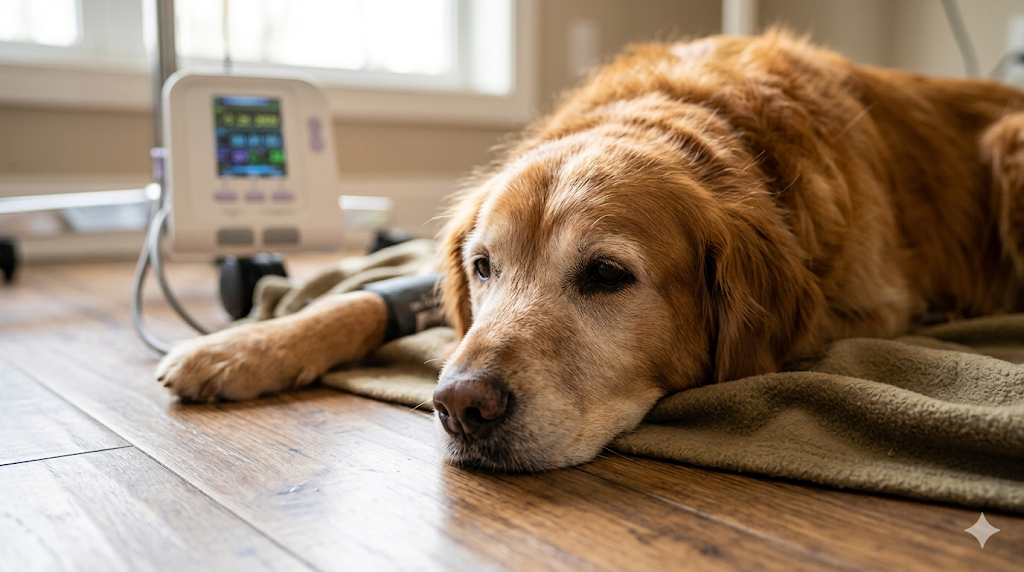
Dog Blood Pressure Chart by Age: The Complete Guide to Your Senior Dog’s Silent Health Indicator
The Dog Blood Pressure Chart by Age is an essential tool for every responsible pet owner, especially those caring for aging companions. Maintaining a healthy blood circulation is the cornerstone of life; as blood flows, it delivers vital oxygen and flushes out metabolic waste. This entire system relies on the heart’s ability to pump effectively against vascular resistance. Consequently, when a dog’s blood pressure deviates from the norm, it often signals that internal organs are not receiving adequate blood supply, leading to rapid functional decline. Often referred to as the “Silent Killer,” hypertension in dogs rarely shows overt symptoms until a critical threshold is crossed, making regular monitoring a non-negotiable part of senior dog care.
Thank you for reading this post, don't forget to subscribe!Understanding the Dog Blood Pressure Chart by Age: Normal vs. Dangerous Ranges
To effectively manage your pet’s health, you must first understand what the numbers actually mean. Canine blood pressure is divided into two primary readings: systolic and diastolic. Systolic pressure occurs when the heart contracts to push blood out, while diastolic pressure reflects the arterial pressure when the heart rests between beats.
Key Metrics: Systolic vs. Diastolic Pressure in Senior Dogs
For most breeds, a healthy resting blood pressure is significantly more stable than in humans. According to veterinary standards, a normal range is typically 120–130 mmHg for systolic and 80–90 mmHg for diastolic. If these numbers consistently creep higher, your dog enters the high-risk zone for hypertension.
Why Older Dogs are Prone to Hypertension
As dogs age, their vascular elasticity decreases, and the prevalence of underlying metabolic diseases increases. Understanding the Dog Blood Pressure Chart by Age requires acknowledging that older dogs are more likely to suffer from secondary hypertension—pressure spikes caused by other conditions like chronic kidney disease or hormonal imbalances.
| Stage | Systolic (mmHg) | Diastolic (mmHg) | Risk Level & Action |
| Normal | 120 – 130 | 80 – 90 | Healthy; Annual check-ups required. |
| Pre-Hypertension | 140 – 150 | 90 – 95 | Low risk; Monitor diet and stress. |
| Stage 1 Hypertension | 150 – 159 | 95 – 99 | Mild risk; Investigate underlying causes. |
| Stage 2 Hypertension | 160 – 179 | 100 – 119 | Moderate risk; Medication often required. |
| Severe Hypertension | 180+ | 120+ | High risk; Immediate veterinary intervention. |
Personal Narrative: The Day a Senior Dog Gasped During Grooming
In my years of professional grooming, I have learned that a grooming table is often the first place where subtle health red flags appear. I vividly remember a session with a 12-year-old Shih Tzu who was usually calm. Halfway through the clip, the dog began gasping for air, his tongue tinged with a faint bluish hue. It wasn’t just “grooming stress”; it was a physiological warning. At that moment, I realized that many senior dogs carry undiagnosed hypertension, which can be triggered by the excitement or anxiety of a grooming environment. Furthermore, this experience highlighted the gap between professional care and at-home monitoring. Had we been tracking his Dog Blood Pressure Chart by Age earlier, we might have anticipated his low tolerance for stress.
Signs of Stress-Induced High Blood Pressure in Professional Settings
Professional groomers often witness the “White Coat Effect” in a salon setting. When a dog is fearful, their heart rate accelerates, causing a temporary but sharp spike in blood pressure. Consequently, for senior dogs, this can lead to fainting or respiratory distress. If you notice your dog excessively panting or showing ocular redness during high-stress activities, it is a clear indicator that their internal pressure is reaching a dangerous threshold.
The Silent Killers: Health Conditions Linked to High Blood Pressure
Hypertension in dogs is rarely a primary disease; instead, it is usually a symptom of a deeper systemic issue. When a dog’s blood pressure remains high, it acts as a wrecking ball to vital organs, particularly the eyes, kidneys, and heart.
Kidney Disease, Cushing’s Syndrome, and Diabetes
Statistical data shows that nearly 60% of dogs with chronic kidney disease (CKD) also suffer from hypertension. The kidneys and blood pressure share a cyclical relationship: failing kidneys trigger higher pressure to maintain filtration, but that very pressure further destroys the delicate renal tissues. Additionally, hormonal imbalances such as Cushing’s Disease (Hyperadrenocorticism) and Diabetes Mellitus are notorious for causing secondary hypertension. These conditions alter vascular tone and fluid balance, making it imperative for owners of senior dogs with these diagnoses to consult a Dog Blood Pressure Chart by Age frequently. Without intervention, sustained high pressure can lead to retinal detachment, causing sudden and permanent blindness.
How to Check Your Dog’s Pulse and Blood Pressure at Home
While professional monitors provide the most accurate data, every pet owner should master the basics of physical assessment. Monitoring your dog’s circulatory health at home can be a lifesaver between veterinary visits. Unlike humans, dogs don’t always show symptoms of blood pressure fluctuations until they are in distress. Therefore, learning to feel their pulse is the first line of defense.
The Femoral Artery Palpation Technique for Immediate Assessment
If you suspect your dog is suffering from low blood pressure (hypotension) or poor circulation, you can perform a “Palpation Test.” To find the femoral artery, gently place your hand on the inner thigh area of the hind leg where it meets the body. You should feel a distinct, rhythmic pulse. If the pulse feels weak, thready, or is entirely absent, it may indicate that the diastolic pressure has dropped below 80 mmHg. In such cases, especially if accompanied by pale gums or lethargy, immediate veterinary attention is required. This simple check is a vital skill for anyone managing a senior dog’s health.
Managing Dog Hypertension: Diet, Lifestyle, and Stress Reduction
Once you have identified where your dog stands on the Dog Blood Pressure Chart by Age, the next step is proactive management. Treatment strategies vary depending on the severity, but lifestyle adjustments are universal.
- Dietary Intervention: For dogs in the pre-hypertension stage, a low-sodium diet is crucial. Excess salt causes fluid retention, which directly increases vascular pressure. Transitioning to prescription cardiac or renal diets can significantly stabilize these levels.
- Weight Management: Obesity is a leading cause of hypertension. Extra body fat requires more blood flow, forcing the heart to work harder. Consequently, gradual weight loss through controlled exercise can naturally lower blood pressure.
- Stress Reduction and Environment: As seen in grooming scenarios, stress is a major trigger. Implementing “Fear-Free” techniques, such as crate training or socialization, provides a sense of security. Providing a calm, predictable environment helps prevent the sharp spikes in adrenaline that lead to dangerous hypertensive episodes.
Frequently Asked Questions About Canine Blood Pressure
- Q: Can stress alone cause permanent high blood pressure?
- A: While temporary stress causes spikes, chronic stress can lead to sustained hypertension and organ damage over time.
- Q: What is the most common sign of high blood pressure?
- A: Often there are no signs, but sudden eye redness, dilated pupils, or nosebleeds can be late-stage indicators.
- Q: How often should I check my senior dog’s blood pressure?
- A: For dogs over 7 years old, a professional screening every 6 months is recommended.
https://www.poocheshairstudio.com
Find more expert grooming tips at our [Poochestips Home]
Pooches Hair Studio Official Website: [poocheshairstudio]
"Healthy paws, happy dogs. Visit [Poochestips Home] for more comprehensive guides!"
Discover our top grooming product recommendations at [Pooches Choice]!
(As an Amazon Associate, I earn from qualifying purchases. This helps support our blog in providing valuable information for dog owners at no extra cost to you.)