
The Hidden Danger: Recognizing Dog Brain Tumor Symptoms and Signs
A Groomer’s Observation: When Circling and Seizures Demand Action
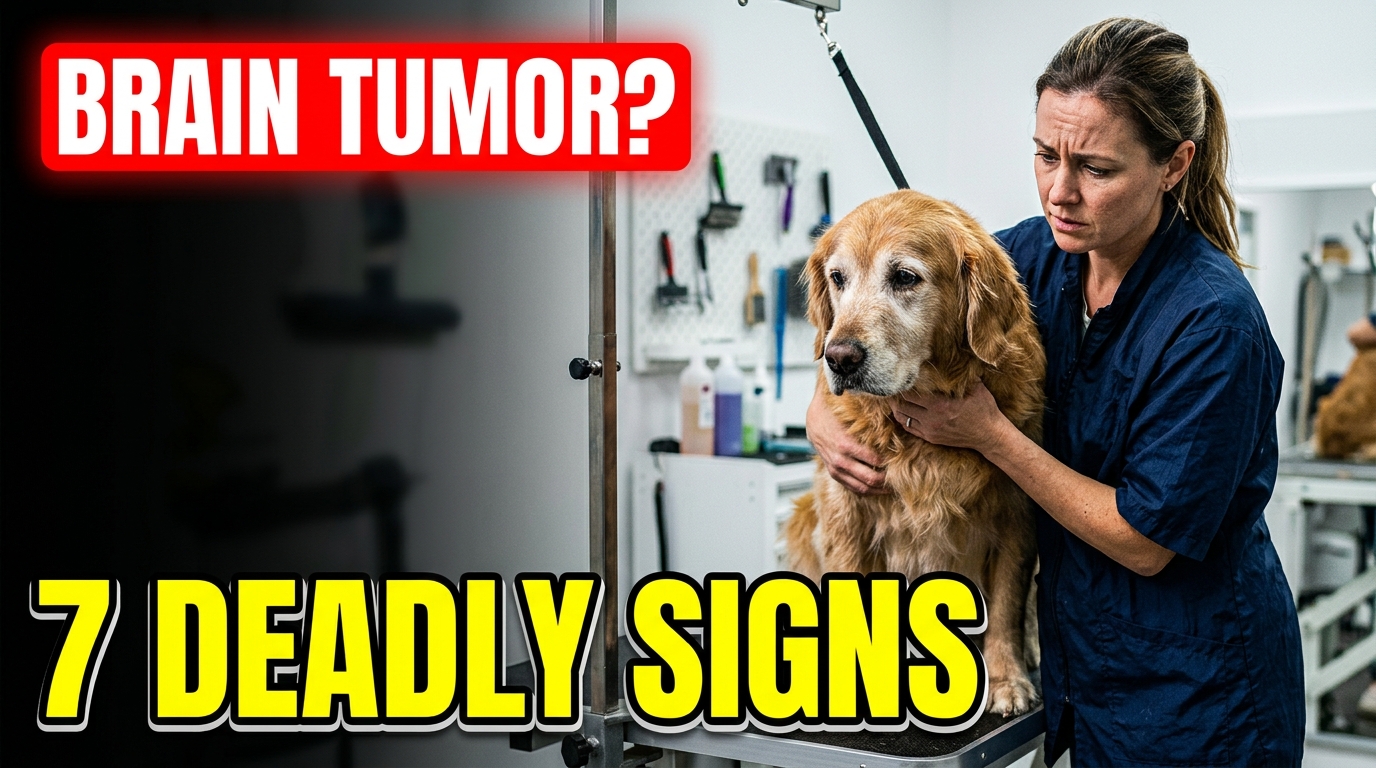
Dog brain tumor symptoms and signs are often subtle initially, making early detection incredibly difficult for pet owners. Recently, I was performing a routine grooming session on a beloved senior dog. Suddenly, he began circling aimlessly in a confined space. Furthermore, his movements became rigid and uncoordinated within minutes. Moments later, he collapsed into a terrifying full-body seizure right on my grooming table. Consequently, I immediately stabilized his position and alerted the owner about this grave neurological event. As a professional, I know these behaviors are not typical signs of aging. Ultimately, my swift action ensured that this senior dog received the urgent veterinary intervention he desperately required.
Thank you for reading this post, don't forget to subscribe!Why Dog Brain Tumor Symptoms and Signs Often Mimic Aging
Many owners mistakenly dismiss early dog brain tumor symptoms and signs as simple indicators of old age. For instance, increased confusion, pacing, or mild behavioral changes are frequently ignored by well-meaning families. Consequently, these subtle warnings are often overlooked until the condition progresses significantly. Furthermore, senior dogs naturally slow down, which masks the onset of neurological decline effectively. However, true brain tumor symptoms show a distinct pattern of escalation over time. Therefore, distinguishing between normal cognitive aging and pathological neurological issues remains a critical challenge. Ultimately, any sudden deviation from a senior dog’s established personality demands immediate, thorough investigation by a veterinarian.
The Critical Role of Early Detection in Neurological Health
Identifying dog brain tumor symptoms and signs early provides the best opportunity for managing neurological health successfully. Unfortunately, once severe symptoms appear, the tumor has often reached a critical size or location. Consequently, the window for effective therapeutic intervention narrows significantly as time passes. Furthermore, early detection allows for the prompt initiation of palliative care and supportive medical strategies. This proactive approach helps maintain the pet’s quality of life for as long as possible. Therefore, I constantly urge owners to document any strange behavioral patterns during their dog’s daily routine. Ultimately, your vigilance combined with professional medical guidance acts as the strongest defense against this devastating disease.
Understanding the Pathology Behind Dog Brain Tumor Symptoms and Signs
Primary vs. Secondary Tumors: How They Affect Brain Function
Understanding the underlying pathology helps explain why dog brain tumor symptoms and signs manifest so dramatically. Consequently, owners must grasp these technical details to understand their dog’s deteriorating condition better. Furthermore, primary tumors originate within the brain itself, whereas secondary tumors metastasize from other body areas like the spleen or lungs. Both types significantly disrupt normal cognitive functions by invading delicate neural pathways. Therefore, the location of the tumor determines the specific neurological deficits observed. Ultimately, whether primary or secondary, these masses compromise the brain’s ability to communicate with the rest of the body.
The Mechanics of Increased Intracranial Pressure and Inflammation
The canine brain occupies a fixed space inside the rigid, unyielding skull. Therefore, any expanding mass, such as a tumor, increases intracranial pressure dramatically. Consequently, this pressure leads to severe inflammation and localized tissue damage throughout the brain. Furthermore, the body often reacts by producing excess cerebrospinal fluid, exacerbating the swelling. This resulting pressure effectively compresses vital brain structures, leading to the erratic behaviors I often witness. Additionally, the brain struggles to compensate for this limited space. Ultimately, this mounting internal pressure is the primary driver behind the sudden, alarming seizures and neurological deficits.
Common Tumor Types: Meningiomas, Gliomas, and Pituitary Issues
Several distinct tumor types commonly affect dogs, each presenting unique clinical challenges. Meningiomas, for instance, are relatively common and arise from the membranes covering the brain. Fortunately, these are sometimes amenable to surgical intervention, offering a better prognosis. Conversely, gliomas originate from the brain’s supportive tissue and are often more aggressive. Consequently, they are significantly harder to treat and frequently cause rapid neurological decline. Furthermore, pituitary tumors often affect hormone regulation, leading to complex systemic health issues alongside brain-related symptoms. Therefore, accurate diagnosis of the specific tumor type is absolutely essential for determining the appropriate treatment strategy. Ultimately, these varied biological origins dictate the severity and progression of your dog’s condition.
Key Neurological Dog Brain Tumor Symptoms and Signs
Behavioral Changes: Aggression, Confusion, and Persistent Circling
Observing dog brain tumor symptoms and signs often starts with noticing strange behavioral shifts. Consequently, owners frequently report sudden personality changes that seem completely out of character. A once-gentle dog may display unprovoked aggression, or a confident pet might suddenly appear deeply confused. Furthermore, persistent, aimless circling is a classic hallmark of significant neurological distress. During my grooming sessions, I carefully monitor for these repetitive, obsessive motions. Therefore, if your dog begins pacing or circling without purpose, please take note immediately. Ultimately, these subtle behavioral red flags often signal underlying brain pressure long before more severe physical symptoms develop.
Physical Red Flags: Seizures, Head Tilt, and Sudden Ataxia
Beyond behavioral shifts, specific physical manifestations of dog brain tumor symptoms and signs appear quite rapidly. Seizures represent the most terrifying symptom that I unfortunately witness at my grooming table. Consequently, these involuntary muscle contractions indicate severe electrical disturbances within the brain’s cortex. Furthermore, a persistent head tilt suggests a profound disruption in the vestibular system. Additionally, sudden ataxia, or uncoordinated movement, causes the dog to stumble frequently like a drunk sailor. Therefore, these physical red flags demand immediate, critical attention from your veterinarian. Ultimately, witnessing these signs requires staying calm, protecting the dog from injury, and seeking emergency medical support instantly.
Sensory Impact: Vision Loss and Heightened Pain Sensitivity
Neurological tumors also severely compromise a dog’s primary sensory processing capabilities. Consequently, you may notice your dog bumping into furniture, indicating significant vision loss or blindness. Furthermore, brain tumors often cause extreme, unexplained pain sensitivity, especially around the neck and head. The dog may yelp or flinch when you simply attempt to pet or lift them. Therefore, this heightened pain response directly correlates with localized intracranial inflammation and pressure. Additionally, your dog may appear detached or unresponsive to familiar commands. Thus, any sudden sensory decline constitutes a vital diagnostic clue for veterinarians. Ultimately, these sensory symptoms indicate the tumor is actively impacting critical brain regions.
Essential Diagnostics for Dog Brain Tumor Symptoms and Signs
Utilizing MRI and CT Scans for Precise Tumor Localization
Accurately identifying dog brain tumor symptoms and signs relies heavily on advanced diagnostic imaging technologies. Consequently, veterinarians utilize Magnetic Resonance Imaging (MRI) as the gold standard for visualizing brain structures. This high-resolution scan reveals the exact size, location, and potential invasiveness of the mass. Furthermore, CT scans are frequently employed, particularly when planning complex radiation therapy protocols. While MRI provides superior soft-tissue contrast, CT scans effectively map bone structure. Therefore, combining these imaging techniques provides a comprehensive, three-dimensional view of the neurological crisis. Ultimately, these precise images are absolutely indispensable for crafting an effective, personalized treatment plan for your senior companion.
The Role of Tissue Biopsies in Definitive Diagnosis
While imaging provides critical visual evidence, a definitive diagnosis often requires a tissue biopsy. Essentially, this procedure involves extracting a microscopic sample from the tumor itself. Consequently, pathologists analyze this tissue to confirm the specific cell type and malignancy grade. However, biopsies within the brain carry inherent risks due to delicate neural architecture. Therefore, veterinarians often prefer non-invasive diagnostic indicators if surgery is not planned. Furthermore, identifying the specific tumor type drastically changes the prognosis and therapeutic approach. Additionally, knowing whether the mass is primary or secondary influences the entire long-term care strategy. Ultimately, while biopsies offer absolute certainty, they are weighed carefully against the patient’s immediate comfort and safety.
Why Immediate Vet Referral Saves Lives During Grooming Appointments
My experience as a groomer highlights why immediate referral after spotting dog brain tumor symptoms and signs saves lives. When I witness a dog circling obsessively or suffering a seizure, I refuse to ignore it. Instead, I immediately halt the grooming session and inform the owner of these red flags. Consequently, this professional intervention prompts the owner to bypass general care and head straight to a neurologist. Furthermore, time is a critical factor in neurological recovery; early presentation often leads to better outcomes. Therefore, your role as an owner is to trust these professional observations implicitly. Ultimately, treating these signs as an urgent emergency, rather than a minor grooming stressor, consistently provides the best possible chance for meaningful treatment.
Professional Collaboration in Monitoring Dog Brain Tumor Symptoms and Signs
Groomers as First Responders: What We Look For During Appointments
Professional groomers often function as crucial first responders regarding dog brain tumor symptoms and signs. During grooming, I physically handle your dog’s entire body for extended periods. Consequently, I can detect subtle, early changes that busy owners might miss at home. Furthermore, I pay close attention to unusual behavioral patterns, such as sudden confusion or obsessive pacing on the table. Therefore, groomers provide a unique, objective perspective on your dog’s neurological baseline. If I notice unexpected anxiety or sensory decline, I report these findings to the owner immediately. Ultimately, our grooming salon acts as an essential, proactive screening environment for senior pets.
Home Monitoring Tips for Senior Dog Owners
Proactive home monitoring is vital for detecting dog brain tumor symptoms and signs early. Consequently, you should maintain a simple, daily observation log for your senior companion. Furthermore, record any sudden changes in appetite, gait, or interaction levels. Additionally, observe your dog’s nightly behavior for signs of pacing or unexplained restlessness. Therefore, if you notice consistent patterns of circling or aggression, contact your veterinarian promptly. As a professional, I strongly encourage using digital cameras to capture and document these neurological episodes. Ultimately, detailed, objective documentation significantly assists your veterinarian in reaching a faster, more accurate diagnostic conclusion.
The Importance of Biannual Wellness Screenings
Biannual wellness screenings represent the absolute gold standard for geriatric pet care. Because dog brain tumor symptoms and signs often develop silently, these routine visits are non-negotiable. Furthermore, regular blood panels and neurological exams establish a baseline for your dog’s health. Consequently, any slight deviation from this baseline triggers earlier investigation and intervention. Therefore, never treat these senior wellness checks as optional appointments. As a professional groomer, I consistently emphasize this critical practice to all my clients. Ultimately, early detection through routine screenings offers the best chance to manage these conditions effectively.
Comparing Cognitive Aging vs. Brain Tumor Pathology
To help you distinguish between normal aging and concerning symptoms, use this comparative guide. Consequently, you can evaluate your dog’s neurological status more objectively.
| Symptom Category | Normal Cognitive Aging | Brain Tumor Pathology |
| Behavioral Onset | Very slow, gradual decline | Rapid, noticeable, and sudden change |
| Physical Coordination | Mild slowing; general stiffness | Sudden ataxia, circling, or falling |
| Seizure Activity | Virtually never | Frequent and often severe |
| Response to Stimuli | Reduced, but alert | Disoriented, unresponsive, or aggressive |
Frequently Asked Questions (FAQ)
- Q: Are all seizures indicative of a brain tumor? A: No, but any sudden seizure in a senior dog is a medical emergency. Always consult your veterinarian for a neurological evaluation immediately.
- Q: Can lifestyle changes prevent brain tumors in dogs? A: Unfortunately, no definitive preventative lifestyle changes exist. However, regular wellness exams remain the most effective method for early detection.
- Q: How long can a dog live with a brain tumor? A: Prognosis varies wildly based on tumor type, location, and treatment. With early diagnosis and palliative care, many dogs maintain a good quality of life.
https://www.poocheshairstudio.com
Find more expert grooming tips at our [Poochestips Home]
Pooches Hair Studio Official Website: [poocheshairstudio]
"Healthy paws, happy dogs. Visit [Poochestips Home] for more comprehensive guides!"
Discover our top grooming product recommendations at [Pooches Choice]!
(As an Amazon Associate, I earn from qualifying purchases. This helps support our blog in providing valuable information for dog owners at no extra cost to you.)