
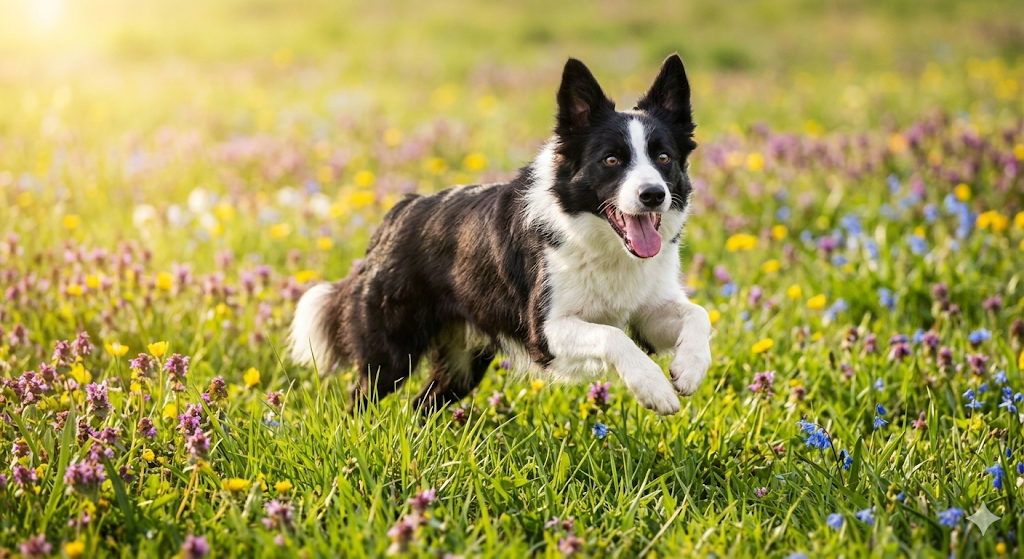
Spring Dog Shedding Solutions Addressing the Challenges of Spring Shedding: Effective Solutions for Your Furry Friend
1. Introduction: Unveiling the Mystery of Spring Shedding
Spring brings longer days, warmer weather, and for many dog owners, a tidal wave of fur. This seasonal shift, while a welcome sign of new life, often signals the start of a messy and frustrating challenge. Excessive dog shedding during spring can leave a persistent layer of fur on furniture, clothes, and practically every surface in your home. It’s a battle many pet parents know all too well.
Thank you for reading this post, don't forget to subscribe!The endless battle against flying fur can feel overwhelming. You might find yourself constantly vacuuming or lint rolling, yet the fur still seems to multiply. This comprehensive guide, however, offers a beacon of hope. It delves into understanding why your dog sheds excessively in spring and provides practical, effective Spring excessive dog shedding solutions through grooming techniques and preventative measures. We’ll help you reclaim your home and keep your dog comfortable and healthy throughout the season.
From selecting the right brushes to implementing crucial nutritional tips, we will cover everything you need. Prepare to manage the annual fur-nado with confidence and ease. Let’s make this spring a cleaner, happier one for both you and your beloved companion.
2. Decoding the Canine Coat: Understanding Spring Shedding
Understanding why your dog sheds is the first step toward effective management. Dogs don’t just shed randomly; their coat cycles are finely tuned to their environment.
The Seasonal Shed Cycle
Dogs naturally shed more intensely as seasons change, particularly from winter to spring. This phenomenon is primarily driven by changes in daylight hours and temperature. As daylight increases and temperatures rise, a dog’s body signals its coat to transition from a thick winter undercoat to a lighter summer coat. This crucial process helps them regulate their body temperature.
The impact of daylight hours and temperature on coat cycles is significant. Photoperiod (the amount of light exposure) plays a major role, triggering hormonal changes that dictate hair growth and shedding. As such, what might seem like an endless flurry of fur is often a perfectly normal biological response.
It’s vital to distinguish normal seasonal shedding from problematic hair loss. While a significant increase in loose fur is expected in spring, watch for bald patches, skin irritation, or a dull, brittle coat. These could indicate an underlying health issue.
Factors Influencing Shedding Severity
Several factors can influence how much your dog sheds. Understanding these can help you tailor your approach to managing their coat.
- Breed Differences: Double-coated dogs, like Huskies, German Shepherds, and Golden Retrievers, have a dense undercoat designed for insulation. They will shed significantly more during spring compared to single-coated breeds such as Poodles or Greyhounds.
- Age and Health Status: Younger, healthier dogs generally have robust coat cycles. Older dogs or those with chronic health conditions might experience changes in shedding patterns or coat quality. Illnesses can sometimes exacerbate shedding.
- Diet and Environmental Stressors: A poor diet lacking essential nutrients can lead to a dull, dry coat and increased shedding. Similarly, stress, anxiety, or changes in environment can trigger temporary shedding increases. Providing a stable, nutrient-rich environment is crucial.
3. Grooming Arsenal: Effective Techniques for Spring Excessive Dog Shedding Solutions
Grooming is your most powerful tool in the fight against spring shedding. A consistent and targeted approach can drastically reduce the amount of fur found around your home. Here are some key Spring excessive dog shedding solutions focusing on grooming.
The Power of Brushing: Your First Line of Defense
Brushing is non-negotiable during peak shedding season. It physically removes loose hair before it has a chance to settle on your furniture.
Choosing the Right Tools:
- Deshedding Rakes (e.g., Undercoat Rakes): These are indispensable for thick, double coats. Their long, rotating teeth reach deep into the undercoat to pull out dead hair without damaging the topcoat.
- Slicker Brushes: Excellent for removing loose surface hair, minor mats, and tangles from most coat types. They have fine, short wires packed closely together on a flat surface.
- Bristle Brushes: Ideal for short-haired breeds and for adding shine to any coat. They help distribute natural oils and remove loose hairs from the surface.
- Specialized Deshedding Tools (e.g., Furminator-style brushes): These can be highly effective but must be used with caution and knowledge. They have fine, sharp teeth designed to grab and remove large amounts of undercoat. Overuse or improper technique can damage the topcoat or irritate the skin. Always follow manufacturer instructions and use gently.
Brushing Frequency and Technique:
- Daily Brushing Recommendations: During peak shedding season, aim for daily brushing sessions, even if they are short. This preventative measure stops fur accumulation.
- Sectional Brushing for Thoroughness: Don’t just brush the top. Systematically work through sections of your dog’s coat, lifting the hair to ensure you reach the undercoat.
- Brushing Against and With the Grain: Start by gently brushing against the grain to loosen dead hair, then follow with brushing with the grain to collect it and smooth the coat. This technique helps lift out stubborn undercoat.
- Making Grooming a Positive Experience: Always use positive reinforcement with treats and praise. Keep sessions short if your dog is sensitive, and make it a bonding experience.
Bathing for Better Shedding Management
Bathing can also play a crucial role, especially when done correctly. It helps to loosen and wash away dead hair that brushing alone might miss.
- Deshedding Shampoos and Conditioners: These products are specifically formulated with ingredients designed to help release loose hair from the coat. They often contain moisturizing agents that promote skin health, which in turn supports a healthy coat.
- Proper Bathing Technique:
- Thorough Wetting and Lathering: Ensure your dog’s coat is completely saturated before applying shampoo. Work the deshedding shampoo deep into the coat, creating a rich lather.
- Massage to Loosen Fur: Gently massage your dog’s entire body while shampooing. This action helps to further loosen dead hairs, making them easier to rinse away.
- Rinsing Thoroughly: Rinse until no suds remain. Residual shampoo can irritate the skin and lead to dry, flaky patches, which can worsen shedding. Follow with a deshedding conditioner and rinse equally well.
- Drying Strategies:
- Importance of Towel Drying and High-Velocity Dryers: After bathing, vigorously towel dry your dog. If you have access to a high-velocity dryer (often used by professional groomers), it can be incredibly effective. These dryers blow off loose undercoat, significantly reducing shedding. Ensure your dog is comfortable with the noise and sensation.
- Avoiding Air-Drying for Double-Coated Breeds: For double-coated breeds, air-drying can lead to moisture trapping in the undercoat, potentially causing skin issues and matting. Always ensure their coat is thoroughly dry.
Professional Grooming: When to Call in the Experts
Sometimes, tackling the spring fur-nado requires professional help. Groomers have the tools, expertise, and facilities to manage shedding more effectively.
- Benefits of Professional Deshedding Treatments: Professional groomers offer specialized deshedding baths, often using high-quality deshedding shampoos and conditioners. They also use powerful high-velocity dryers that can blow out an astonishing amount of loose undercoat, something difficult to replicate at home.
- Understanding the Role of Groomers in Maintaining Coat Health: Beyond just deshedding, groomers can assess your dog’s skin and coat health, identify potential issues, and provide advice tailored to your dog’s specific breed and needs. Regular professional grooming appointments, especially during shedding season, can make a huge difference.
4. Beyond the Brush: Preventative Measures and Lifestyle Adjustments
While grooming is paramount, a holistic approach to your dog’s health can also significantly reduce shedding. These preventative measures complement your grooming efforts, leading to fewer stray hairs.
Nutrition: Fueling a Healthy Coat from Within
A dog’s coat is a direct reflection of their internal health. What goes into their bowl dramatically impacts shedding.
- High-Quality Diet: The importance of premium dog food with balanced nutrients cannot be overstated. Look for foods with real meat as the first ingredient and avoid excessive fillers or by-products. A complete and balanced diet provides the building blocks for healthy skin and hair follicles.
- Omega Fatty Acids (Omega-3 & Omega-6): These essential fatty acids are crucial for skin and coat health. They reduce inflammation, promote a healthy skin barrier, and contribute to a shiny, strong coat.
- Supplements: Consider adding fish oil (salmon, sardine, or anchovy oil) or flaxseed oil to your dog’s diet. Always consult your vet for appropriate dosages.
- Food Sources: Many high-quality dog foods are fortified with omega fatty acids. Natural sources include salmon, sardines, and certain plant oils.
- Hydration: Ensuring constant access to fresh, clean water is vital for overall health, including skin hydration. A dehydrated dog can have dry, flaky skin, which can contribute to excessive shedding.
Environmental Control: Minimizing Fur Fallout
Even with the best grooming, some shedding is inevitable. Managing your home environment can help keep the fur in check.
- Regular Cleaning: Implement a consistent cleaning routine. Vacuum regularly with a pet-specific vacuum cleaner that has strong suction and attachments for upholstery. Keep lint rollers handy for quick clean-ups on clothes and furniture.
- Humidifiers: Maintaining optimal indoor humidity, especially during drier months, can prevent dry skin. Dry skin can lead to increased itching and shedding. A humidifier can help keep your dog’s skin and coat healthy.
Exercise and Stress Reduction
A happy dog is often a healthier dog, and this extends to their coat.
- How Regular Physical Activity Improves Circulation and Promotes a Healthier Coat: Exercise stimulates blood flow, which in turn nourishes hair follicles and promotes a strong, healthy coat. It also helps dogs expend energy and reduces boredom.
- The Link Between Stress and Increased Shedding: Just like humans, dogs can shed more when stressed or anxious. Providing a stable routine, plenty of exercise, and a calm environment can help minimize stress-related shedding.
Health Checks: Identifying Underlying Issues
Sometimes, excessive shedding is a symptom of something more serious.
- When Excessive Shedding Might Signal a Medical Condition: Be alert to changes in shedding patterns that are not seasonal, or are accompanied by other symptoms. These can include:
- Allergies (environmental or food-related)
- Parasites (fleas, mites)
- Thyroid issues (hypothyroidism often causes a dull coat and hair loss)
- Nutritional deficiencies
- Fungal or bacterial skin infections
- Importance of Routine Veterinary Check-ups: Regular vet visits are crucial for early detection and treatment of any underlying health problems. Your vet can provide tailored advice and rule out medical causes for your dog’s shedding.
5. Debunking Shedding Myths and Misconceptions
There’s a lot of information, and misinformation, circulating about dog shedding. Let’s clear up some common myths.
- The Shaving Myth: Many owners believe shaving a double-coated dog will reduce shedding and keep them cooler. This is generally detrimental. A double coat insulates against both cold and heat. Shaving can disrupt this natural thermoregulation, lead to improper regrowth (coat might grow back patchy or coarser), and even make your dog more susceptible to sunburn. For effective Spring excessive dog shedding solutions, stick to proper grooming, not shaving.
- “Quick Fix” Products: Be wary of products promising instant, magical shedding solutions. While some supplements or sprays can support coat health, there isn’t a single “miracle cure.” Effective shedding management requires consistent effort and a combination of proven strategies. Always research products thoroughly and consult your vet.
- Shedding is Inevitable: While some level of shedding is a normal biological process for most dogs, excessive shedding can absolutely be managed. The goal isn’t necessarily to eliminate all shedding (which is often impossible for many breeds) but to reduce it to a manageable and healthy level.
6. Building a Sustainable Shedding Management Routine
The key to long-term success in managing spring shedding is consistency. A routine transforms daunting tasks into manageable habits.
- Developing a Schedule:
- Daily: Quick brushing sessions (5-10 minutes) with a slicker or bristle brush, especially during peak shedding.
- Weekly: More thorough brushing with a deshedding rake or tool. Check for mats.
- Monthly (or as needed): Bathing with deshedding shampoo and conditioner. Professional grooming appointments.
- Consistency is Key: The cumulative effect of regular care is profound. Skipping a week of brushing during peak season can result in a significant build-up of loose fur that’s harder to manage later. Small, consistent efforts prevent large, overwhelming problems.
- Making Grooming Enjoyable: Always associate grooming with positive experiences. Use a calm voice, offer praise, and provide treats. Start with short sessions and gradually increase duration as your dog becomes more comfortable. Patience and positive reinforcement are vital for a happier dog and a more cooperative grooming partner.
7. Conclusion: Embracing a Shed-Free Spring
Navigating the spring shedding season doesn’t have to be a losing battle. By understanding your dog’s coat, arming yourself with the right grooming tools, and making crucial lifestyle adjustments, you can significantly reduce the amount of fur in your home and on your clothes. We’ve explored a comprehensive range of Spring excessive dog shedding solutions, from specialized brushes and bathing techniques to a nutritious diet and regular vet check-ups.
Remember, consistent effort and a proactive approach are your best allies. With the right strategy, managing spring shedding is entirely achievable. The benefits are clear: a cleaner home environment, a healthier and more comfortable dog, and a stronger, more enjoyable bond between you and your furry companion.
Don’t let the fur flying get you down this spring. Implement these tips today and embark on a journey towards a glorious, fur-free spring with your beloved pooch! Your home will thank you, and your dog will certainly appreciate the extra care.
📦 SEO Package
EXCERPT: Conquer spring shedding! Discover 7 effective solutions for excessive dog fur, from grooming to nutrition. Reclaim your home today!
SEO_TITLE: 7 Spring Excessive Dog Shedding Solutions!
SLUG: spring-excessive-dog-shedding-solutions
CATEGORY: Grooming Tips
TAGS: dog shedding, spring grooming, pet fur, dog health, deshedding
THUMB_1_PROMPT: A happy, groomed dog (Golden Retriever or Husky) looking clean and tidy, surrounded by spring flowers. A deshedding brush is subtly visible in the foreground. Bright, clean aesthetic.
https://www.poocheshairstudio.com
Find more expert grooming tips at our [Poochestips Home]
Pooches Hair Studio Official Website: [poocheshairstudio]
"Healthy paws, happy dogs. Visit [Poochestips Home] for more comprehensive guides!"
Discover our top grooming product recommendations at [Pooches Choice]!
(As an Amazon Associate, I earn from qualifying purchases. This helps support our blog in providing valuable information for dog owners at no extra cost to you.)