
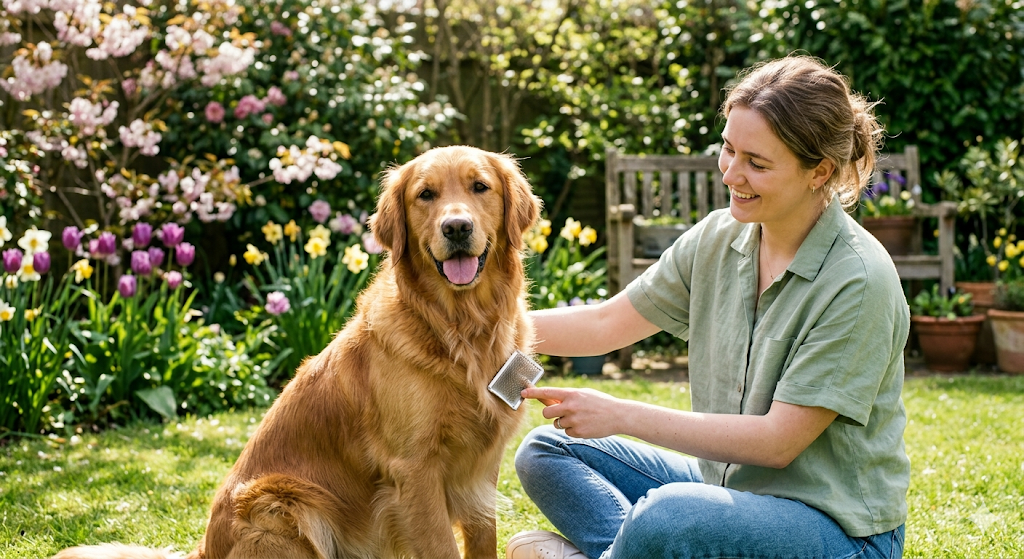
Tips for Itchy Skin Relief Spring Grooming Pooches Tips — Blog Article
Tips for Itchy Skin Relief Spring Grooming, Spring’s arrival brings a delightful warmth, longer days, and the promise of outdoor adventures with our beloved canine companions. However, for many dog owners, this beautiful season also ushers in a new set of challenges: relentless itching and an overwhelming amount of shedding. The shift from winter to spring can be particularly trying for a dog’s skin and coat, leading to discomfort that no pet parent wants to see.
Thank you for reading this post, don't forget to subscribe!Many dog owners struggle with managing their pet’s seasonal discomfort, often feeling overwhelmed by the constant scratching, licking, and the “fur-nado” that takes over their homes. Understanding the root causes of these issues is the first step towards providing effective relief. Ignoring these signs can lead to more serious skin problems and a less happy dog.
This comprehensive guide is designed to empower you with essential strategies for Spring grooming for itchy skin relief and effective shedding management. We’ll delve into precisely why these issues occur, explore practical grooming techniques, discuss crucial dietary considerations, and touch on holistic approaches to ensure your dog enjoys a comfortable, itch-free spring. Get ready to transform your dog’s spring experience from an itchy ordeal to a season of joyful, healthy play.
1. Understanding Your Dog’s Springtime Challenges
As the seasons change, so too does your dog’s physiological response to its environment. Springtime presents unique challenges that can significantly impact their skin and coat health, often manifesting as increased itching and heavy shedding. Recognizing these underlying factors is key to providing targeted care.
1.1. The Phenomenon of Spring Shedding: “Coat Blow”
Seasonal shedding is a natural and necessary process for dogs, often referred to as “coat blow.” This is particularly noticeable in breeds with double coats, such as Huskies, German Shepherds, and Golden Retrievers. Their dense undercoat provides insulation during colder months.
The role of temperature changes is significant in triggering this phenomenon. As the days lengthen and temperatures rise in spring, a dog’s body naturally sheds its thick winter undercoat to make way for a lighter, more suitable summer coat. This allows for better airflow and helps prevent overheating. While entirely normal, the sheer volume of hair can be daunting for owners.
1.2. Why Spring Brings Itchy Skin: Allergens, Pollen, and Dryness
Beyond shedding, spring is a peak season for environmental allergens. Common culprits include pollen from trees, grasses, and weeds, as well as increased exposure to dust mites and mold spores that become more active with warmer, humid weather. These airborne irritants can settle on your dog’s coat and skin, leading to allergic reactions.
Increased humidity can sometimes exacerbate skin conditions, while paradoxically, indoor heating or early spring dryness can also strip moisture from a dog’s skin, leading to irritation. Furthermore, as dogs spend more time outdoors exploring, they can come into contact with various irritants like certain plants or chemicals, leading to contact dermatitis. This combination of factors often makes Spring grooming for itchy skin relief a top priority.
1.3. Recognizing the Signs: What to Look Out For
Being observant of your dog’s behavior and physical condition is crucial for early intervention. Look out for these tell-tale signs:
- Symptoms of Excessive Itching: Frequent scratching, licking, biting, or rubbing against furniture are primary indicators. These behaviors might be more intense after walks or during specific times of the day.
- Signs of Skin Irritation: Part the fur to inspect their skin for redness, rashes, bumps, or “hot spots”—inflamed, often moist lesions caused by continuous licking. Scabs can also indicate self-inflicted damage.
- Unusual or Patchy Hair Loss: While normal shedding is widespread, patchy hair loss, thinning fur in specific areas, or a dull, unhealthy coat can signal an underlying skin issue that requires attention beyond routine shedding.
Understanding these challenges sets the stage for implementing effective grooming and care strategies.
2. Foundational Spring Grooming for Itchy Skin Relief
Effective grooming during spring goes far beyond just keeping your dog looking tidy. It’s a proactive approach to maintaining their skin health, managing shedding, and significantly reducing the discomfort associated with seasonal allergies and dryness. Implementing a consistent grooming routine is a cornerstone of Spring grooming for itchy skin relief.
2.1. Brushing Techniques for Shedding and Skin Health
Brushing is arguably the most fundamental and impactful grooming activity for spring. It accomplishes multiple vital tasks:
- Importance: Regular brushing stimulates blood flow to the skin, which promotes healthy hair growth and distributes natural skin oils across the coat, adding shine and protection. Most importantly, it effectively removes dead skin cells and loose hair from the undercoat, preventing matting and reducing the amount of fur shed around your home.
- Tools:
- Slicker Brush: Excellent for removing tangles and loose hair from the topcoat and undercoat.
- Rake Brush: Designed specifically to penetrate dense undercoats and pull out dead hair without damaging the topcoat.
- De-shedding Tools: Brands like Furminator are highly effective at removing large amounts of loose undercoat.
- Rubber Curry Brush: Great for short-haired breeds to loosen dirt, stimulate skin, and remove shedding hair.
- Frequency and Method: For heavy shedding breeds, daily or every-other-day brushing is often necessary. Use gentle, consistent strokes in the direction of hair growth. Pay special attention to areas prone to matting, such as behind the ears, under the legs, and around the tail.
2.2. The Right Bathing Routine: A Key to Spring Grooming for Itchy Skin Relief
Bathing your dog correctly during spring can provide immense relief from itchiness caused by allergens and dry skin. It’s a key component of Spring grooming for itchy skin relief.
- Choosing Shampoos: Opt for high-quality, gentle formulations. Hypoallergenic shampoos are excellent for sensitive skin. Oatmeal-based shampoos are naturally soothing, while medicated shampoos (if recommended by your vet) can address specific skin conditions like bacterial or yeast infections. Anti-itch formulations often contain ingredients like hydrocortisone or pramoxine.
- Conditioners: Always follow up with a soothing, moisturizing conditioner. This helps to rehydrate the skin and coat, restore natural oils, and reduce dryness and flakiness that contribute to itching.
- Bathing Frequency: Finding the right balance is crucial. Over-bathing can strip natural oils, leading to more dryness and irritation. For most dogs in spring, bathing every 2-4 weeks is sufficient to cleanse the coat of allergens and dirt without compromising skin health.
- Proper Technique: Thoroughly wet your dog’s coat, apply shampoo, and work it into a lather, paying attention to the skin. Allow therapeutic shampoos to sit for 5-10 minutes as directed. Rinse meticulously until no shampoo residue remains, as residue can cause skin irritation. Finally, dry your dog completely to prevent moisture-related skin issues like hot spots.
2.3. Essential Ear Care to Prevent Irritation
Spring allergens don’t just affect the skin; they can also irritate your dog’s ears, making them more susceptible to infections. Regular ear care is an often-overlooked aspect of spring grooming.
- Why it Matters: Dogs with floppy ears are particularly prone to ear infections due to reduced air circulation. Allergens, moisture, and debris can easily get trapped, leading to itching, inflammation, and bacterial or yeast overgrowth.
- Cleaning Products: Use only vet-approved ear cleaners. These solutions are formulated to safely break down wax and debris without causing irritation.
- Technique: Apply the cleaner into the ear canal as directed, gently massage the base of the ear for 20-30 seconds, then allow your dog to shake their head. Finish by gently wiping the outer ear and visible parts of the canal with a clean cotton ball or gauze. Never insert cotton swabs or anything deep into the ear canal, as this can cause damage.
- When to See a Vet: If you notice redness, swelling, a foul odor, excessive head shaking, scratching at the ears, discharge, or pain, consult your veterinarian immediately. These are signs of a potential infection.
2.4. Paw Protection and Cleaning
Your dog’s paws are their primary contact with the outdoor environment, making them highly susceptible to picking up allergens and irritants.
- Exposure: During spring walks, paws can collect pollen, dust, grass seeds, pesticides, and other environmental allergens. These can then be tracked into your home or ingested by your dog when they lick their paws, triggering an allergic reaction.
- Post-Walk Routine: After every outdoor excursion, make it a habit to wipe your dog’s paws thoroughly. A damp cloth, pet-specific paw wipes, or even a shallow rinse in a basin of water can remove allergens and dirt. Don’t forget to wipe between their paw pads!
- Moisturizing: Paws can become dry and cracked from exposure to various surfaces and elements. Using a pet-safe paw balm or wax can help moisturize their pads, prevent cracking, and create a protective barrier against irritants.
By consistently applying these foundational grooming techniques, you’ll be well on your way to providing your dog with much-needed relief and comfort this spring.
3. Advanced Strategies for Targeting Itchy Skin
While foundational grooming provides a solid base, some dogs require more targeted interventions to effectively manage spring-related itchy skin. These advanced strategies tackle the issue from within and by controlling their immediate environment.
3.1. Dietary Adjustments for Skin Health
Nutrition plays a profound role in skin and coat health. What your dog eats can significantly impact their susceptibility to itching and their ability to recover.
- Omega-3 and -6 Fatty Acids: These essential fatty acids are powerhouses for skin health. Omega-3s (found in fish oil, krill oil) are particularly effective at reducing inflammation, which is often at the root of itchy skin. Omega-6s (found in flaxseed oil, certain vegetable oils) contribute to a healthy skin barrier and coat quality. Incorporating a balanced supplement, or feeding foods rich in these, can make a noticeable difference.
- Probiotics: A healthy gut often translates to healthy skin. Probiotics support a robust immune system, which in turn can reduce allergic responses and improve the skin’s barrier function. Adding a canine-specific probiotic supplement or feeding probiotic-rich foods (like plain yogurt in moderation) can be beneficial.
- Hypoallergenic Diets: If your dog’s itching is persistent and not fully explained by environmental allergens, they might have food sensitivities. Discussing a limited ingredient diet (LID) or a veterinary hydrolyzed protein diet with your vet can help identify and eliminate potential food allergens, dramatically improving skin health.
3.2. Topical Treatments and Soothing Solutions
Sometimes, direct application of soothing agents is necessary to calm irritated skin. These can complement your regular Spring grooming for itchy skin relief efforts.
- Anti-Itch Sprays and Balms: For localized itching, over-the-counter sprays and balms can offer quick relief. Look for formulations containing hydrocortisone for inflammation, or colloidal oatmeal for soothing. Always ensure they are pet-safe and follow product instructions carefully.
- Aloe Vera and Witch Hazel: These natural ingredients are known for their soothing and anti-inflammatory properties. When choosing products, ensure they are specifically formulated for pets and do not contain alcohol or other potentially harmful additives. Pure aloe vera gel (not the plant itself) can be dabbed on irritated spots.
- Paw Waxes and Protective Balms: Beyond moisturizing, paw waxes create a physical barrier between your dog’s paw pads and environmental irritants like hot pavement, harsh chemicals, or allergens found in grass. Apply before walks for an extra layer of protection.
3.3. Environmental Control at Home
Reducing your dog’s exposure to allergens in their immediate environment is a critical, yet often underestimated, strategy.
- Reducing Indoor Allergens: Regularly vacuuming with a HEPA filter vacuum, dusting surfaces, and washing pet bedding (including blankets and toys) weekly in hot water can significantly reduce dust mites, dander, and trapped pollen.
- Air Purifiers: Investing in a good quality air purifier with a HEPA filter can help remove airborne pollen, dust, and other allergens from your home, providing a cleaner breathing and living environment for your dog.
- Post-Outdoor Wipes: After every outdoor excursion, gently wiping down your dog’s entire coat with a damp cloth or grooming wipe helps to remove pollen and other allergens before they can settle into the fur or be licked off. This simple routine drastically minimizes allergen transfer.
By combining foundational grooming with these advanced strategies, you create a multi-faceted approach to addressing your dog’s itchy skin from all angles.
4. Mastering Heavy Shedding Management
While spring shedding is natural, managing the copious amounts of fur can be a challenge. Proactive measures can drastically reduce the “fur-nado” in your home and keep your dog more comfortable.
4.1. Utilizing De-Shedding Tools Effectively
De-shedding tools are specifically designed to tackle the thick undercoat that sheds during spring. They are a must-have for owners of double-coated breeds.
- Specific Tools:
- Undercoat Rakes: These tools have long, rounded teeth that penetrate deep into the undercoat to pull out loose hair without cutting the topcoat.
- De-shedding Blades (e.g., Furminator-style tools): These tools feature fine, serrated edges that reach through the topcoat to grab and remove loose undercoat hair efficiently.
- Techniques: Always use de-shedding tools on a clean, dry coat. Work in short, gentle strokes, following the direction of hair growth. Avoid pressing down too hard, as this can cause skin irritation or “brush burn.” Be patient; a thorough de-shedding session can take time, especially for large, double-coated breeds.
- Consistency: The key to managing heavy seasonal shedding is consistency. Regular de-shedding sessions (perhaps 2-3 times a week during peak shedding, and once a week otherwise) will prevent matting and significantly reduce the amount of loose hair in your home.
4.2. The Benefits of Professional De-Shedding Services
For those with very heavy-shedding breeds or limited time, professional de-shedding services can be a game-changer.
- Deep Coat Removal: Professional groomers have access to specialized high-velocity dryers and industrial-strength de-shedding tools that can remove significantly more undercoat than home methods. This thorough process helps “blow out” the loose hair from deep within the coat.
- Reduced Home Maintenance: A professional de-shedding treatment can dramatically reduce the amount of shedding in your home for several weeks, meaning less vacuuming and fewer fur tumbleweeds.
- Expert Handling: Experienced groomers are skilled at safely handling dogs and identifying potential skin issues or matting that might be missed during home grooming. They can also offer tailored advice for your dog’s specific coat type.
Incorporating these de-shedding strategies into your spring routine will make a noticeable difference in both your dog’s comfort and the cleanliness of your home.
5. Holistic Approaches for a Healthy Spring Coat
Beyond specific grooming techniques and dietary adjustments, a holistic perspective on your dog’s overall health can greatly enhance their skin and coat vitality, contributing to less itching and healthier shedding. This reinforces the comprehensive nature of Spring grooming for itchy skin relief.
5.1. Hydration and Its Impact on Skin
Often overlooked, adequate hydration is fundamental for healthy skin and coat.
- Ensuring access to fresh, clean water at all times is paramount. Dehydration can lead to dry, flaky skin, which can exacerbate itching.
- The link between hydration and skin elasticity and health is direct. Well-hydrated skin is more resilient, less prone to irritation, and better able to perform its protective barrier function. Consider adding a little water or broth to their food if they don’t drink enough.
5.2. Supplements for Optimal Coat Health (Beyond Omegas)
While Omega fatty acids are crucial, other supplements can provide additional support for skin and coat health.
- Biotin: A B-vitamin that plays a vital role in cellular growth, including healthy skin, hair, and nails.
- Vitamin E: A powerful antioxidant that supports skin health and can help reduce inflammation.
- Zinc: Essential for immune function and maintaining the integrity of the skin barrier.
- Consulting a Vet: Always consult your veterinarian before introducing any new supplements to your dog’s diet. They can recommend the appropriate dosage and ensure there are no contraindications with existing medications or health conditions.
5.3. Stress Reduction and Its Link to Skin Issues
The mind-body connection in dogs is powerful. Stress and anxiety can manifest physically, often exacerbating skin conditions.
- Providing a calm and predictable environment for your dog can reduce stress. This includes consistent routines, a quiet resting place, and positive reinforcement.
- Regular exercise is not just good for physical health; it’s a fantastic stress reliever. Physical activity helps release endorphins, reducing anxiety and promoting overall well-being, which can indirectly improve skin health.
By nurturing your dog’s well-being holistically, you’re not just treating symptoms; you’re fostering a healthier, happier companion with a naturally more resilient coat.
6. Common Spring Grooming Mistakes to Avoid
Even with the best intentions, certain grooming practices can inadvertently worsen your dog’s spring skin issues. Being aware of these common mistakes is crucial for effective Spring grooming for itchy skin relief.
6.1. Over-Bathing or Using Harsh Products
While bathing is important, doing it too frequently or using shampoos not suited for dogs can strip their skin of essential natural oils. This natural barrier protects against irritants and maintains moisture. Stripping it away can lead to excessive dryness, flakiness, and increased itchiness. Always choose dog-specific, gentle, and moisturizing shampoos.
6.2. Ignoring Persistent Symptoms
One of the biggest mistakes is to assume that all spring itching is “normal” and will eventually pass. While some seasonal irritation is common, persistent scratching, redness, hair loss, or the development of hot spots warrant a visit to the veterinarian. Delaying professional advice can allow minor issues to escalate into painful and chronic conditions.
6.3. Incorrect Brushing Techniques
Aggressive or improper brushing, especially with de-shedding tools, can cause “brush burn” or damage the skin and coat. Always use the appropriate tool for your dog’s coat type, brush in the direction of hair growth, and apply gentle, consistent pressure. Never pull at tangles or mats; instead, work them out carefully or trim them if necessary.
6.4. Neglecting Nail and Paw Care
Overgrown nails can cause discomfort, alter your dog’s gait, and even lead to painful paw injuries. Dirty paws, as previously discussed, harbor allergens and irritants. Neglecting regular nail trims and post-walk paw cleaning means missing a key opportunity to alleviate discomfort and prevent the spread of allergens.
By avoiding these pitfalls, you can ensure your grooming efforts are truly beneficial and contribute positively to your dog’s comfort and health throughout the spring season.
7. Your Ultimate Spring Grooming Checklist
To make sure you’re covering all your bases for a happy, itch-free dog this spring, use this handy checklist:
- Brush daily or every other day with appropriate tools (slicker, rake, de-shedder) to remove loose hair and dead skin.
- Bathe every 2-4 weeks using hypoallergenic, oatmeal, or vet-recommended medicated shampoos and follow with a moisturizing conditioner.
- Clean ears weekly with vet-approved ear cleaner to prevent allergen buildup and infections.
- Wipe paws after every walk with a damp cloth or paw wipes to remove pollen and irritants.
- Consider dietary supplements like Omega-3 and -6 fatty acids and probiotics for improved skin health.
- Maintain a clean home environment through regular vacuuming, dusting, and washing pet bedding.
- Schedule a professional de-shedding session if your dog is a heavy shedder and home efforts aren’t enough.
- Monitor skin and coat condition regularly and seek vet advice for any persistent itching, redness, or unusual hair loss.
Conclusion
Proactive and consistent Spring grooming for itchy skin relief and shedding management is not just about aesthetics; it’s absolutely crucial for your dog’s comfort, overall health, and well-being. By understanding the unique challenges spring presents and implementing the foundational, advanced, and holistic strategies outlined in this guide, you can make a significant difference in your dog’s quality of life.
You are now empowered with the knowledge and tools to significantly reduce your dog’s discomfort, keep their coat healthy and vibrant, and minimize the amount of fur shed around your home. With diligent care, you can prevent minor irritations from escalating into more serious conditions, ensuring your furry friend remains happy and comfortable.
Embrace the beautiful spring season with a happy, itch-free companion by your side, knowing you’ve provided them with the best care possible. Your efforts will be rewarded with wagging tails, contented sighs, and a much cleaner living space for everyone to enjoy.
https://www.poocheshairstudio.com
Find more expert grooming tips at our [Poochestips Home]
Pooches Hair Studio Official Website: [poocheshairstudio]
"Healthy paws, happy dogs. Visit [Poochestips Home] for more comprehensive guides!"
Discover our top grooming product recommendations at [Pooches Choice]!
(As an Amazon Associate, I earn from qualifying purchases. This helps support our blog in providing valuable information for dog owners at no extra cost to you.)