
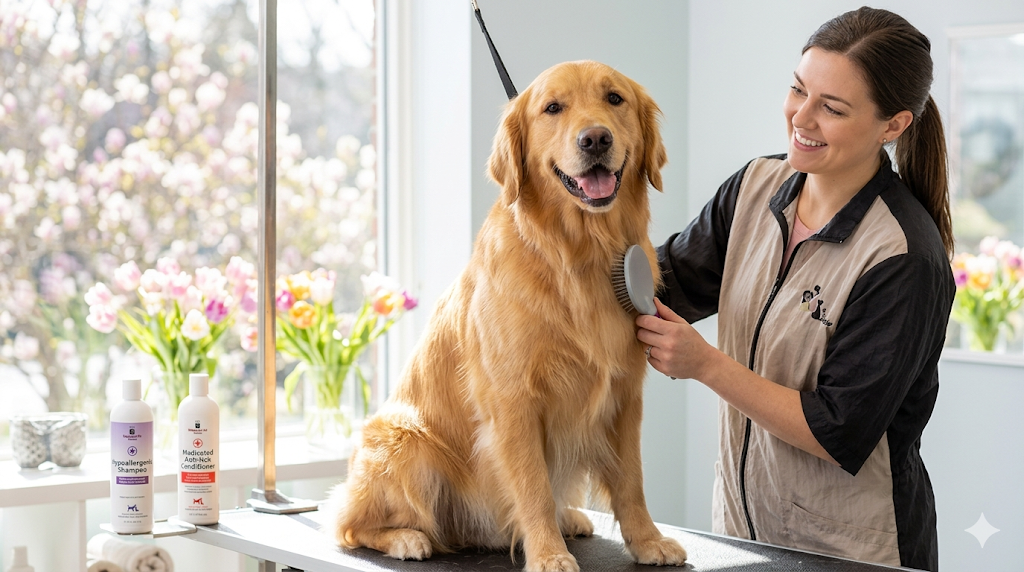
Spring Dog Allergy Grooming Tips — Blog Article
Welcome, fellow dog lovers! As a professional groomer with over two decades of experience, I’ve seen countless dogs come through my salon doors, each with their unique quirks and needs. When spring rolls around, bringing with it beautiful blossoms and warmer weather, it also ushers in a common foe for many of our furry friends: allergies. The constant scratching, red paws, and irritated skin can be heartbreaking to watch. But don’t despair! My years of hands-on experience have taught me that with the right approach, we can significantly alleviate their discomfort. This article will equip you with essential Spring Dog Allergy Grooming Tips and at-home care strategies straight from my professional toolkit.
Thank you for reading this post, don't forget to subscribe!Understanding Spring Dog Allergies from a Groomer’s Perspective
Spring allergies in dogs, much like in humans, are often a reaction to environmental triggers. Over the years, I’ve developed a keen eye for spotting the tell-tale signs. It’s not just about aesthetics; it’s about their comfort and well-being. Understanding the ‘why’ behind their itchiness is the first step toward effective relief.
The Culprits: Pollen, Grasses, and More
In my salon, I often see the direct impact of these environmental allergens. I remember a lovely Shih Tzu named Pip, who would come in every spring with eyes so watery they’d stain her white fur. Her owner was baffled, thinking it was just a cold. But upon closer inspection, I could tell it was pollen. Pollen, grass, weeds, and even mold spores become abundant in spring, acting as irritants when they come into contact with a dog’s skin, nose, or eyes. These tiny particles settle on their coats, paws, and get inhaled, triggering an immune response. Knowing these common culprits helps us target our grooming and care efforts effectively. It’s truly amazing how a microscopic speck can cause such widespread discomfort.
Common Symptoms I See in the Salon
This is a common issue I see in the shop. Many owners bring their dogs in for “just a bath” but don’t realize the extent of their pet’s discomfort. The most common symptoms I observe are relentless scratching, licking of paws (often leading to brown stains from saliva), red and inflamed skin, hot spots (often on the hips or flanks), and recurring ear infections. I’ve seen dogs so itchy they’d rub against every surface in the waiting area, desperately trying to find relief. Owners are often surprised when I point out the tiny scabs hidden beneath a thick coat or the tell-tale yeasty smell coming from their dog’s ears, especially those with floppy ears like Basset Hounds or Cocker Spaniels. Recognizing these signs early is crucial for providing timely relief and preventing secondary infections.
Essential Spring Dog Allergy Grooming Tips for Relief
Grooming isn’t just about making your dog look good; it’s a vital part of managing their health, especially when allergies strike. These are the strategies I employ daily, honed over years of working with countless breeds.
The Power of Therapeutic Baths
Over the years, I’ve found that a well-executed therapeutic bath is often the first and most effective line of defense against spring allergies. It’s like hitting a reset button for their skin, washing away the irritants that cause so much misery. I remember a very anxious Golden Retriever named Max who came in every spring, completely covered in red, angry patches. His skin was so irritated he barely tolerated being touched. After his first therapeutic bath with me, his owner called, amazed at how much calmer he was, and the redness had visibly reduced. The right bath can wash away irritants, soothe inflamed skin, and provide immediate, much-needed relief.
Choosing the Right Shampoo for Allergy-Prone Skin
Selecting the correct shampoo is paramount. I always recommend hypoallergenic, oatmeal-based, or medicated shampoos specifically designed for sensitive or allergy-prone skin. These are often formulated with ingredients like aloe vera, pramoxine, or colloidal oatmeal that calm irritation and reduce itchiness without stripping natural oils. Avoid harsh chemicals, strong fragrances, or artificial colors that could further irritate their already sensitive skin. In my salon, I keep a variety of these specialized shampoos on hand, as every dog’s skin can react differently.
Proper Bathing Techniques for Maximum Effect
The technique is just as important as the product. Always use lukewarm water, never hot, as excessive heat can exacerbate itchiness and further irritate inflamed skin. Lather thoroughly, ensuring the shampoo reaches the skin, especially in common allergy spots like the armpits, groin, belly, and paws. Let the shampoo sit for the recommended 5-10 minutes, as directed by the product, to allow the active ingredients to work their magic. Most importantly, rinse, rinse, and rinse again! Any residual shampoo can dry on the skin and cause further irritation, effectively undoing all your good work. I often tell clients to rinse until they think they’re done, then rinse for another minute, just to be sure. This meticulous rinsing is one of my top Spring Dog Allergy Grooming Tips.
Paw Care: A First Line of Defense Against Allergens
When a client asks me about managing allergies at home, paw care is always at the top of my list. Paws are ground zero for allergen contact; they pick up everything. Think about it: every step outside, they’re collecting pollen, grass, and environmental debris. I remember a little French Bulldog, Daisy, who constantly licked her paws until they were raw and infected. Once we implemented a strict paw-cleaning routine, her irritation significantly decreased, and she finally found comfort.
Daily Wiping and Washing for Clean Paws
After every walk or outdoor excursion, make it a habit to wipe your dog’s paws thoroughly with a damp cloth or a specialized pet paw wipe. For more severe cases, a quick rinse of the paws in lukewarm water can be very effective, especially for dogs with long fur between their pads. This simple act physically removes allergens before your dog can track them into the house or, more importantly, lick them off, thereby ingesting them and potentially triggering an internal reaction. This routine takes just a few minutes but offers immense benefits.
Trimming Paw Fur: Reducing Allergen Traps
Long fur between the paw pads acts like a broom, collecting and holding onto allergens like tiny sponges. Keeping this fur neatly trimmed reduces the surface area for pollen and grass to cling to, making your daily cleaning efforts far more effective. It also prevents matting, which can trap moisture and create an ideal breeding ground for yeast or bacteria, exacerbating existing allergy issues. This small grooming detail, often overlooked by owners, makes a huge difference in managing paw irritation and is a crucial part of my Spring Dog Allergy Grooming Tips.
Ear Hygiene: Preventing Secondary Infections and Discomfort
In my years of working with countless breeds, I’ve learned that ears are often overlooked, yet they are a hotspot for allergy symptoms and secondary infections. The skin inside the ear canal can become inflamed, itchy, and susceptible to bacterial or yeast overgrowth. I’ve seen many dogs develop chronic ear issues purely from seasonal allergies. Take Buster, a Cocker Spaniel, for instance. Every spring, his ears would become red, smelly, and incredibly itchy, leading to painful ear infections that required veterinary intervention. Regular, gentle cleaning became his saving grace.
Gentle Cleaning Techniques for Sensitive Ears
Use a vet-approved ear cleaner and cotton balls (never cotton swabs, which can push debris deeper into the ear canal) to gently wipe the visible parts of the ear canal and the underside of the ear flap. The goal is to remove dirt, wax, and any pollen that might have settled inside, without causing trauma. It’s important to be gentle; don’t probe deep into the ear. In my salon, I often demonstrate the correct technique to owners, emphasizing the importance of calm reassurance during this process.
Checking for Redness and Odor: Early Detection is Key
Make a habit of regularly inspecting your dog’s ears, especially if they are prone to allergies. Lift the ear flap and check for any redness, swelling, or unusual discharge. A yeasty, musty, or foul odor is a strong indicator of an infection, often secondary to allergy-related inflammation. Early detection allows for quicker treatment and prevents prolonged discomfort, saving your dog from pain and you from potentially higher vet bills. If you notice persistent signs of infection, always consult your veterinarian.
Regular Brushing: Removing Allergens and Improving Skin Health
Regular brushing is another crucial aspect of Spring Dog Allergy Grooming Tips. It’s not just about keeping their coat looking neat; it’s about physically removing allergens that have settled on their fur before they can be absorbed into the skin or tracked into your home. I’ve found that even dogs with short coats benefit immensely from daily brushing during allergy season, as it helps remove shed fur and surface irritants.
Tools of the Trade for Effective Brushing
The right brush makes all the difference. For most coats, a slicker brush can effectively remove loose hair and surface debris. For longer-haired breeds, a metal comb helps detangle and check for mats which can trap allergens close to the skin. Deshedding tools like a Furminator are excellent for removing undercoat, which can also harbor environmental particles. A soft-bristle brush can be used for a final sweep to collect any lingering particles and distribute natural oils, improving skin health and shine. Having the correct tools makes the process easier and more effective for both you and your dog.
Frequency and Technique for Allergen Removal
During peak allergy season, daily brushing is ideal, especially after outdoor activities. If possible, brush your dog outdoors to prevent bringing allergens inside your home. Brush in the direction of hair growth, starting from the head and working your way down to the tail and legs. Pay extra attention to areas where allergens might accumulate, such as the back, belly, and legs. This regular routine significantly reduces the allergen load on their coat and stimulates blood flow to the skin, promoting a healthier barrier against irritants. It’s a simple habit that yields profound relief.
Beyond the Grooming Table: At-Home Care Strategies
While professional grooming provides immense relief, consistent at-home care is just as vital. It’s a partnership between owner and groomer to give your dog the best possible quality of life during allergy season. These strategies complement our salon work beautifully.
Environmental Control: Minimizing Allergen Exposure in the Home
When a client asks me what else they can do, my advice always includes managing their home environment. Reducing exposure to allergens inside the house can make a significant difference in their dog’s comfort. I once had a client with a very sensitive Basset Hound named Gus, whose allergies were severe. After explaining the importance of environmental control, they transformed their home, and Gus’s allergy symptoms dramatically improved. This proactive approach significantly reduces the overall allergen burden on your dog.
Washing Dog Bedding Regularly
Dog beds, blankets, and plush toys collect a surprising amount of pollen, dust mites, and dander. Wash these items frequently (at least once a week) in hot water to kill allergens effectively. Using an unscented, hypoallergenic detergent is also a good practice to avoid adding further irritants to their sensitive skin. Clean bedding provides a safe, allergen-reduced resting place for your dog.
Thorough Vacuuming with a HEPA Filter
Regularly vacuuming carpets, rugs, and upholstery with a HEPA-filter vacuum cleaner can greatly reduce the presence of airborne allergens in your home. Aim for at least twice a week during allergy season, paying close attention to areas where your dog spends the most time. If possible, consider having hard floors (wood, tile, laminate), which are easier to keep free of dust, pollen, and pet dander compared to carpets.
Utilizing Air Purifiers for Cleaner Air
Placing high-efficiency particulate air (HEPA) purifiers in rooms where your dog spends most of their time can help filter out airborne allergens like pollen and dust mites. This creates a cleaner, safer environment for them to breathe, reducing the amount of allergens they inhale. This small investment can make a substantial difference for dogs with respiratory allergy symptoms.
Diet and Supplements: Supporting Skin Health from Within
Over the years, I’ve found that a holistic approach, including dietary support, can make a huge difference in managing allergies. Skin health starts from the inside out, and a strong internal system is better equipped to handle external stressors. I remember a rough-coated Jack Russell Terrier, Rocky, who had persistent dry, flaky skin and chronic ear issues related to his allergies. We introduced omega-3 supplements and switched to a limited-ingredient diet, and within weeks, his coat was noticeably healthier, his scratching lessened, and his ears were much calmer.
Omega-3 Fatty Acids for Anti-Inflammatory Support
Supplements rich in Omega-3 fatty acids, such as high-quality fish oil, are fantastic for promoting healthy skin and a shiny coat. They possess powerful anti-inflammatory properties that can help reduce the severity of allergic reactions from within, calming the systemic response to allergens. Always consult your vet for proper dosing based on your dog’s size and specific needs.
Probiotics for a Healthy Gut and Immune System
A healthy gut often translates to a healthier immune system, which plays a crucial role in how a dog reacts to allergens. Probiotic supplements can support gut health, which in turn can help manage inflammatory responses throughout the body, including those related to allergies. By fostering a balanced microbiome, you can strengthen your dog’s natural defenses.
Considering Hypoallergenic Diets
Some dogs have underlying food sensitivities or allergies that can exacerbate environmental allergies, creating a double burden on their immune system. Switching to a limited-ingredient or hypoallergenic diet, often recommended by a vet, can sometimes help reduce overall inflammation and make your dog less reactive to environmental allergens. This approach requires patience and often a vet’s guidance to find the right formula.
Spot Treatment and Veterinary Consultation: Knowing When to Seek Help
While many allergy symptoms can be managed effectively with good grooming and home care, sometimes additional intervention is necessary. Knowing when to escalate care is part of being a responsible pet owner. I’ve often seen owners try everything before finally seeking veterinary advice, when an earlier visit could have provided quicker relief and prevented worsening conditions.
Topical Sprays and Wipes for Localized Relief
For localized itching or irritation, vet-approved topical sprays, mousses, or wipes containing ingredients like hydrocortisone or antihistamines can provide temporary relief. These can be particularly useful for hot spots, irritated paw pads, or specific areas of inflamed skin. Always check with your veterinarian before using any new topical treatment to ensure it’s safe and appropriate for your dog.
When to See the Vet: Don’t Hesitate
If your dog’s symptoms are severe, persistent, or worsen despite your best efforts with grooming and home care, it’s crucial to consult your veterinarian without delay. They can accurately diagnose the issue, rule out other conditions (like parasites or infections), and prescribe medications like oral antihistamines, steroids, or allergy shots (immunotherapy) if needed. They can also perform allergy testing to identify specific allergens, helping you to fine-tune your avoidance strategies. Never hesitate to seek professional medical advice for your furry friend; their comfort is paramount.
My Groomer’s Top 3 Spring Allergy Success Stories
Let me share a few real-life examples from my salon that perfectly illustrate the power of consistent care and the Spring Dog Allergy Grooming Tips I’ve detailed above. These stories always warm my heart and remind me why I do what I do. Seeing a dog transform from itchy and miserable to happy and comfortable is truly rewarding.
Max, the Itchy Golden Retriever
Max was a handsome Golden Retriever, but every spring, he’d arrive at my salon a picture of misery. His beautiful golden coat would be dull, his skin peppered with red, inflamed patches, and his eyes perpetually watery and irritated. His owner was at her wit’s end, feeling helpless. We started with weekly therapeutic oatmeal baths for a month, using a specific anti-itch shampoo, followed by bi-weekly sessions to maintain his skin health. In conjunction, I advised his owner on a rigorous at-home routine: daily paw wipes after every outdoor excursion, thorough brushing with a slicker brush, and washing his bedding twice a week. She also invested in a HEPA air purifier for the living room. Within two months, Max was a different dog. His coat regained its vibrant shine, his skin was clear and calm, and he stopped scratching almost entirely. It was a testament to how a consistent, multi-pronged approach, focusing on key Spring Dog Allergy Grooming Tips, can bring immense relief and vastly improve a dog’s quality of life.
Bella, the Paw-Licking Bulldog
Bella, a sweet English Bulldog with rolls and wrinkles, had a notorious habit of constantly licking her paws. They were always moist, red, and occasionally had a yeasty smell, particularly between her toes. Her owner, sadly, thought it was just “a Bulldog thing” due to their breed’s tendency for skin folds. When Bella first came to me, I explained that her incessant paw licking was likely an allergic reaction to spring allergens, and the constant moisture was creating an ideal environment for secondary yeast and bacterial infections. We started with regular paw trims, meticulously clearing the fur between her pads. I also recommended daily paw soaks in an anti-fungal solution (prescribed by her vet) and taught her owner how to effectively dry deep between her paw pads with a soft cloth after each soak. Paired with weekly therapeutic baths at the salon, paying special attention to her skin folds, Bella’s paws eventually healed. No more incessant licking, no more redness, and the yeasty odor vanished. She could finally walk comfortably without discomfort, enjoying her walks rather than suffering through them.
Oliver, the Sneezing Shih Tzu
Oliver was a lively Shih Tzu, always eager to greet everyone with a wagging tail. But come spring, he’d develop a chronic sneeze and irritated, weeping eyes, making him lethargic and unhappy. His owner was worried it was a constant cold that just wouldn’t clear up. My diagnosis, based on my experience with numerous small, long-haired breeds, leaned heavily towards pollen allergies being the primary culprit. For Oliver, the key was meticulous facial grooming: keeping the hair around his eyes short and clean, and daily gentle wiping of his face with a damp cloth to remove pollen that settled there. We also emphasized regular full-body brushing, often performed outdoors, to remove allergens from his long coat before they could be tracked inside the home. With these targeted efforts, specifically addressing how allergens collected on his unique coat, Oliver’s sneezing significantly reduced, and his eyes cleared up dramatically. He was able to enjoy his spring walks and playfulness again, no longer hampered by constant irritation.
Conclusion
Managing spring allergies in dogs can feel overwhelming, but with the right knowledge and consistent effort, you can make a profound difference in your pet’s comfort and happiness. As a professional groomer, I’ve seen firsthand how effective these Spring Dog Allergy Grooming Tips and at-home strategies can be. It’s about creating a holistic approach that tackles allergens both on and off the grooming table, addressing both the external symptoms and supporting internal health.
Remember, your dog relies on you to be their advocate and provide relief from their discomfort. By integrating therapeutic baths, diligent paw and ear care, regular brushing, environmental control, and appropriate dietary support, you’re not just grooming them; you’re providing them with relief and a better quality of life. Don’t hesitate to partner with your trusted groomer and veterinarian to create the best possible plan for your allergic pup. Together, we can help your furry friend enjoy the vibrant beauty of spring without the misery of allergies!
https://www.poocheshairstudio.com
Find more expert grooming tips at our [Poochestips Home]
Pooches Hair Studio Official Website: [poocheshairstudio]
"Healthy paws, happy dogs. Visit [Poochestips Home] for more comprehensive guides!"
Discover our top grooming product recommendations at [Pooches Choice]!
(As an Amazon Associate, I earn from qualifying purchases. This helps support our blog in providing valuable information for dog owners at no extra cost to you.)