
The Hidden Danger: Why Senior Dog Heavy Breathing Is Never “Just Old Age”
My Personal Wake-Up Call at the Grooming Table
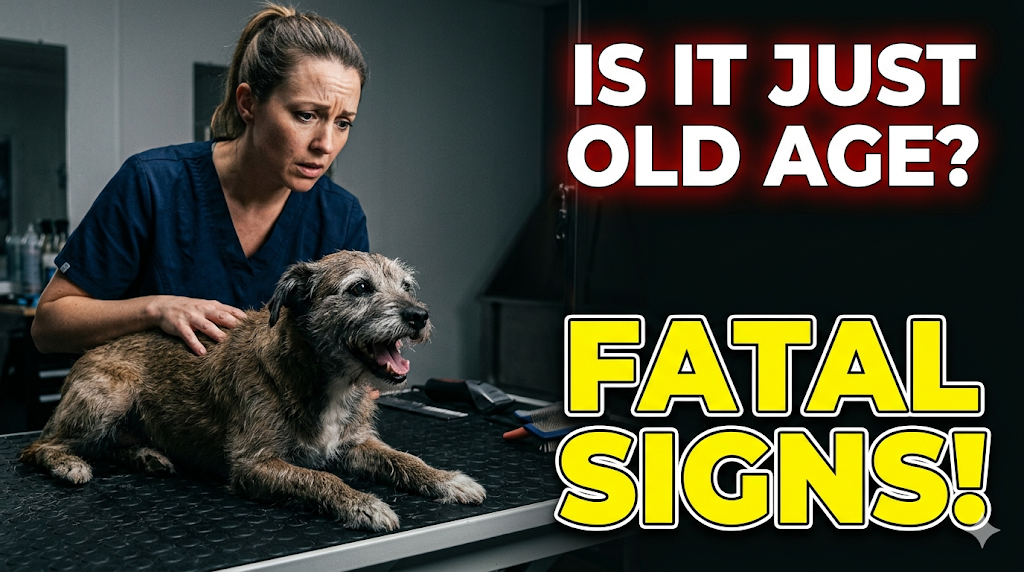
Recognizing senior dog heavy breathing during routine care can literally save a companion’s life. Recently, a ten-year-old dog visited my grooming salon. Initially, the session seemed perfectly normal. However, the dog soon exhibited severe respiratory distress. Furthermore, frequent coughing accompanied the rapid breaths. Immediately, I stopped using my grooming tools. I carefully offered some water to the dog. Consequently, I prioritized calming the frightened animal entirely. The panting felt distinctly different from typical anxiety. Therefore, I strongly advised the owner to seek immediate veterinary attention. This wake-up call highlighted a critical health issue. Many owners dismiss these subtle respiratory warning signs. They often attribute them incorrectly to mere aging.
Thank you for reading this post, don't forget to subscribe!Decoding the Difference: Normal Panting vs. Abnormal Distress
Distinguishing normal panting from pathological distress is vital. Dogs naturally pant to regulate their body temperature. However, this abnormal breathing often occurs without any physical exertion. Additionally, it manifests while the dog rests completely. Normal panting involves a relaxed mouth and tongue. Conversely, abnormal breathing features a tightly drawn mouth. Furthermore, stomach muscles work forcefully during distressed breathing. Veterinary studies indicate normal resting respiratory rates remain low. Rates exceeding thirty breaths per minute are definitely abnormal. Consequently, persistent heavy breathing demands immediate professional evaluation. It is never just a benign aging sign.
The Crucial Window for Emergency Vet Intervention
Acting swiftly during respiratory emergencies provides much better outcomes. Delaying a veterinary visit worsens underlying conditions significantly. For instance, undiscovered primary lung tumors can progress rapidly. Moreover, early detection prevents severe complications like hypoxia. Therefore, recognizing the emergency intervention window is paramount. Prompt diagnostic imaging reveals hidden dangers quite clearly. Subsequently, a CT scan assesses potential metastasis accurately. Consequently, pet groomers and owners must remain extremely vigilant. Ultimately, quick action transforms a terrifying crisis completely.
Identifying the Root Causes of Senior Dog Heavy Breathing
The Threat of Primary Lung Tumors in Dogs
Understanding senior dog heavy breathing requires exploring deep medical realities. Witnessing that ten-year-old dog struggle truly broke my heart. Therefore, I researched the specific underlying causes thoroughly. Primary lung tumors originate directly within the lung tissue itself. Fortunately, they are relatively rare in canines. Statistically, they account for merely one percent of canine cancers. However, they remain exceptionally aggressive overall. Consequently, about seventy percent of these tumors metastasize quickly. They typically spread to other lung lobes or local lymph nodes. Thus, early detection dictates the survival rate dramatically.
Metastatic Lung Cancer: When Tumors Spread
Metastatic lung cancer presents a much more common threat. Unfortunately, cancer cells migrate from other body parts rapidly. Furthermore, they settle into the delicate lung tissue eventually. During my grooming sessions, I always check for unusual lumps. Consequently, finding a mass anywhere requires immediate veterinary attention. Dogs with metastatic conditions generally face a poor prognosis. Therefore, recognizing senior dog heavy breathing is absolutely critical. Studies show respiratory distress often indicates advanced tumor spread. Subsequently, palliative care often becomes the primary medical focus here.
Heart Disease and Other Respiratory Triggers in Older Dogs
Not every respiratory issue stems directly from cancer. Often, congestive heart failure triggers similar alarming symptoms. Additionally, severe chronic bronchitis can cause senior dog heavy breathing. Therefore, a comprehensive veterinary diagnosis is completely non-negotiable. I always remind concerned owners to remain calm but vigilant. Furthermore, observing the specific cough type provides vital diagnostic clues. For example, a moist cough heavily suggests fluid accumulation. Conversely, a dry, hacking sound usually indicates tracheal issues. Ultimately, identifying the exact root cause saves precious time and lives.
Recognizing the Companion Symptoms of Senior Dog Heavy Breathing
Older Dog Coughing and Gagging (Including Blood)
Senior dog heavy breathing rarely occurs entirely in isolation. Frequently, other alarming clinical signs accompany this primary distress. For example, older dog coughing and gagging often follow minor respiratory exertion. During that memorable grooming session, the poor dog began gagging repeatedly. Consequently, I noticed tiny flecks of blood near his muzzle. Medically, coughing up blood strongly indicates severe internal tissue damage. Furthermore, pulmonary tumors frequently erode delicate blood vessels within the lungs. Therefore, any blood presence escalates the situation to an absolute emergency.
Lethargy and Exercise Intolerance During Rest
Another critical companion symptom involves profound lethargy during resting periods. Usually, older dogs slow down naturally due to aging joints. However, extreme exercise intolerance coupled with heavy breathing demands immediate scrutiny. Even walking across my salon floor exhausted the elderly dog completely. Furthermore, internal oxygen deprivation directly causes this sudden physical weakness. Because the compromised lungs cannot oxygenate the blood effectively, muscles fail. Consequently, the dog collapses or refuses to move entirely. Therefore, owners must monitor daily energy levels very closely.
Paraneoplastic Syndromes: Unusual Skin and Mobility Issues
Sometimes, lung cancer manifests through surprisingly unrelated physical symptoms entirely. These mysterious manifestations are scientifically known as paraneoplastic syndromes. Essentially, the tumor secretes abnormal hormones affecting completely different body systems. For instance, sudden hair loss or unusual skin ulcers might appear abruptly. Additionally, unexplained lameness frequently occurs without any prior physical injury. Therefore, observing the entire body remains crucial for accurate early detection. Groomers often spot these subtle skin changes before owners do. Ultimately, comprehensive physical awareness saves countless canine lives.
Comparing Normal Aging vs. Critical Respiratory Warnings
To clarify these distinctions, consider this quick reference guide. Consequently, you can evaluate your dog’s condition much more objectively.
| ymptom Category | Normal Aging Sign | Tumor or Cancer Warning Sign |
| Breathing Patterns | Mild panting after moderate daily exercise | Senior dog heavy breathing while completely resting |
| Throat Sounds | Occasional clearing of the throat after drinking | Persistent older dog coughing and gagging, especially with blood |
| Energy Levels | Gradual slowing down over several months | Sudden collapse, severe lethargy, or extreme exercise intolerance |
| Physical Changes | Greying muzzle and predictable joint stiffness | Unexplained skin ulcers, sudden hair loss, and acute lameness |
Diagnostics: What to Expect When Assessing Senior Dog Heavy Breathing
The Crucial Role of Chest X-Rays and CT Scans
Assessing senior dog heavy breathing requires precise veterinary diagnostics immediately. After I advised that concerned owner, they visited their veterinarian. Consequently, the diagnostic journey began with standard chest X-rays. Radiographs provide a foundational view of the internal pulmonary structure. Furthermore, they reveal obvious masses or severe fluid accumulation. However, X-rays cannot always detect tiny metastatic nodules effectively. Therefore, advanced computed tomography (CT) scans become absolutely necessary. CT scans offer detailed, three-dimensional views of the lungs. Subsequently, veterinarians evaluate whether surgical tumor removal remains possible. Ultimately, these advanced imaging tools form the baseline for treatment.
Fine Needle Aspiration (FNA) for Accurate Tumor Detection
Visual imaging alone cannot confirm canine cancer definitively. Therefore, veterinarians frequently utilize fine needle aspiration (FNA) procedures. During this specialized process, a tiny needle extracts cellular samples. Furthermore, ultrasound guidance ensures exact precision during the fluid aspiration. Consequently, veterinary pathologists examine these collected cells under a microscope. This microscopic analysis determines the malignant nature quite accurately. Sometimes, complete surgical biopsies provide even more definitive diagnostic results. However, FNA offers a significantly less invasive initial testing method. Ultimately, understanding the cellular makeup dictates the entire medical approach. Thus, accurate early tumor detection prevents unnecessary or ineffective treatments.
Why a Senior Dog Health Checkup is Non-Negotiable
Preventative care saves countless lives in modern veterinary medicine. Therefore, a comprehensive senior dog health checkup is utterly non-negotiable. Dogs exceeding ten years of age require rigorous biannual examinations. Furthermore, routine blood work identifies hidden systemic issues quite early. During grooming sessions, I always perform basic physical health assessments. Consequently, I notice subtle changes in resting breathing patterns. However, expert groomers cannot replace professional veterinary medical evaluations entirely. Thus, dedicated owners must prioritize regular clinic visits without fail. Ultimately, early detection remains the strongest weapon against terminal cancer. Consequently, proactive medical diagnostics extend the lifespan of senior dogs significantly.
Treatment Pathways to Ease Senior Dog Heavy Breathing
Surgical Removal of Isolated Lung Masses
Addressing senior dog heavy breathing requires exploring precise treatment pathways immediately. Whenever I discover potential masses during grooming, my heart sinks. However, modern veterinary oncology offers remarkable hope today. If the primary lung tumor remains completely isolated, surgery is possible. Surgeons meticulously remove the affected lung lobe entirely. Fortunately, dogs function remarkably well with reduced lung capacity. Studies show dogs with isolated primary tumors survive around one year post-surgery. Consequently, swift surgical intervention extends their lifespan significantly. Therefore, early detection on my grooming table remains absolutely vital. Ultimately, removing the physical obstruction eliminates the primary breathing struggle.
Radiation and Chemotherapy Options for Metastatic Cases
Unfortunately, surgical removal isn’t always a viable medical option. Often, CT scans reveal extensive tumor metastasis across the chest. Consequently, veterinarians pivot toward alternative systemic treatment strategies immediately. Radiation therapy specifically targets localized but inoperable tumor clusters. Furthermore, it shrinks these masses to improve respiratory airflow significantly. Chemotherapy, conversely, circulates powerful medication throughout the entire bloodstream. Therefore, it attacks migrating cancer cells aggressively. While chemotherapy rarely cures canine lung cancer completely, it slows progression. Additionally, veterinary chemotherapy uses lower doses than human treatments. Thus, dogs generally experience far fewer severe side effects. Ultimately, these therapies aim to improve the overall quality of life.
Palliative Care and Managing the Life Expectancy of a Dog with a Lung Tumor
Sometimes, aggressive medical treatments cause more harm than good. In advanced metastatic cases, palliative care becomes the primary focus. Palliative care explicitly prioritizes comfort over aggressive curative attempts. Consequently, veterinarians prescribe specialized medications to suppress persistent coughing. Furthermore, they utilize powerful anti-inflammatory drugs to reduce airway swelling. Managing the life expectancy of a dog with a lung tumor requires immense empathy. Statistically, untreated advanced lung cancer offers a survival window of roughly 120 days. Therefore, every single remaining day becomes incredibly precious. During my grooming sessions, I handle palliative patients with extreme gentleness. I utilize high-end, stress-free handling techniques meticulously. Ultimately, keeping them comfortable and loved is our final, greatest responsibility.
Proactive Prevention and Routine Care for Senior Dogs
Minimizing Environmental Toxins and Smoke Exposure
Preventing senior dog heavy breathing remains our ultimate goal as dedicated pet professionals. Therefore, minimizing environmental toxins is incredibly important. Dogs possess highly sensitive respiratory systems naturally. Consequently, secondhand smoke damages their delicate lungs severely over time. Furthermore, harsh household cleaning chemicals exacerbate hidden respiratory conditions significantly. Here in our Edmond grooming community, we constantly educate owners about these hidden dangers. We strongly advocate for completely smoke-free indoor environments. Ultimately, providing a clean, pure air environment protects their aging lungs perfectly. Thus, proactive environmental management serves as the first line of defense.
Establishing a Strict 6-Month Veterinary Exam Schedule
Establishing a strict six-month veterinary exam schedule is absolutely imperative. As dogs age naturally, internal physical changes occur incredibly rapidly. Therefore, relying solely on traditional annual checkups is simply too risky. Proactive blood work and regular chest X-rays catch hidden anomalies early. Consequently, early tumor detection transforms a fatal diagnosis into a highly manageable condition. Furthermore, consistent professional medical monitoring provides immense peace of mind for families. Ultimately, proactive veterinary care extends your beloved companion’s lifespan remarkably. Therefore, schedule those bi-annual senior wellness exams without any hesitation.
How Groomers and Owners Can Detect Early Warning Signs
Detecting early warning signs requires strict, collaborative observation constantly. I closely monitor every single breath during my routine grooming sessions. Furthermore, utilizing premium, hypoallergenic products like Hyponic shampoos prevents unnecessary respiratory stress completely. Consequently, stress-free handling keeps the elderly dog calm, comfortable, and deeply relaxed. Therefore, any sudden abnormal breathing becomes immediately obvious to my trained eye. Owners must mirror this vigilant observation at home daily. Ultimately, this powerful collaborative vigilance between owners and groomers saves countless canine lives. Together, we can ensure their golden years remain truly comfortable.
Snippet-Targeted FAQ
Q: When is senior dog heavy breathing considered an absolute emergency? A: Heavy breathing becomes a critical emergency when it occurs entirely at rest. Furthermore, pale gums, excessive drooling, or coughing up blood demand immediate veterinary intervention.
Q: Can a primary lung tumor be completely cured in older dogs? A: Isolated primary tumors can be surgically removed quite successfully. Consequently, early surgical intervention significantly increases the overall survival rate and quality of life.
Q: How do metastatic lung tumors differ from primary lung tumors? A: Metastatic tumors originate elsewhere in the body and spread to the lungs rapidly. Conversely, primary tumors start directly within the lung tissue itself from the beginning.
Q: What does palliative care involve for a dog with advanced lung cancer? A: Palliative care prioritizes immediate physical comfort over aggressive, curative medical treatments. Therefore, it focuses entirely on pain management, reducing inflammation, and suppressing severe chronic coughs.
https://www.poocheshairstudio.com
Find more expert grooming tips at our [Poochestips Home]
Pooches Hair Studio Official Website: [poocheshairstudio]
"Healthy paws, happy dogs. Visit [Poochestips Home] for more comprehensive guides!"
Discover our top grooming product recommendations at [Pooches Choice]!
(As an Amazon Associate, I earn from qualifying purchases. This helps support our blog in providing valuable information for dog owners at no extra cost to you.)